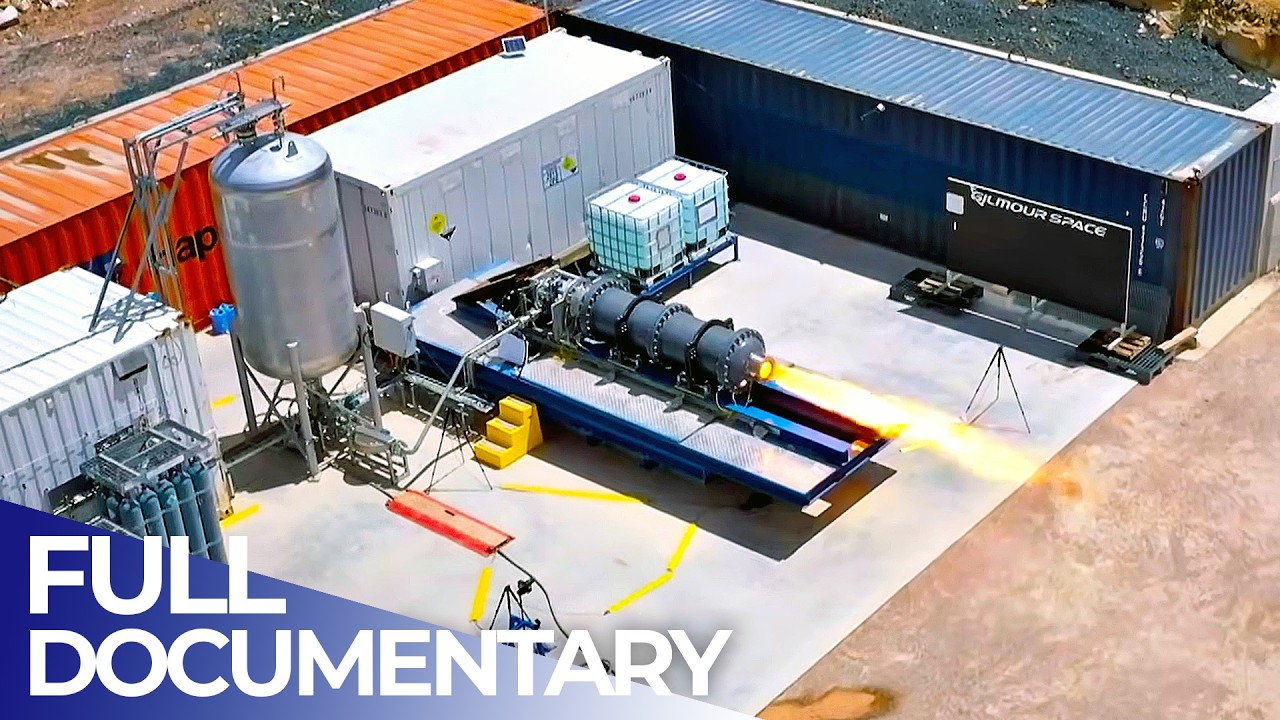
Rocket Engine Prototype | Mega Maintenance | FD Engineering
Keywords
Summary
108 words
Critical Evaluation
The documentary offers a compelling look at real-world engineering operations, showcasing the dedication and skill of the professionals involved. The content is presented in an accessible manner, making it suitable for a general audience interested in engineering. However, the technical depth is limited, with explanations kept at a high level. For instance, the hybrid rocket engine is described as combining solid fuel with liquid oxidizer, but the underlying principles and challenges are not explored in detail. Similarly, the tram wheel reprofiling process is shown, but the specifics of the lathe operation and tolerances are not discussed. The solar train segment provides an overview of its systems, but lacks quantitative data on performance and efficiency. The documentary relies heavily on interviews and observational footage, which adds authenticity but also introduces potential bias, as the subjects are likely to present their work positively. The sources cited are minimal, with only a link to the next episode, limiting the ability to verify claims. The title accurately reflects the content, and the production quality is high, with clear visuals and sound. Overall, the documentary serves as an engaging introduction to these engineering projects, but for viewers seeking in-depth technical analysis, it may fall short.
200 words
Title / Content Match
The title accurately reflects the content, which focuses on rocket engine testing and maintenance of rail vehicles.
Quality & Reliability
7/10
The documentary provides a behind-the-scenes look at real engineering operations, featuring interviews with engineers and technicians. The information is presented in an engaging manner, but lacks in-depth technical details and independent verification. The sources are limited to the channel's own content and a link to the next episode.
Key Moments
Markers derived by PSI from the transcript: the creator did not define chapters.
- Introduction to the documentary, highlighting the trillion-dollar space industry and Gilmour Space Technologies' mission.
- Overview of Gilmour Space's hybrid rocket engine and the upcoming 30-second test.
- Preparation of the rocket engine prototype for transportation to the test facility.
- Introduction to the Adelaide tram maintenance facility and the wheel reprofiling process.
- Lifting of the 40-tonne tram and disconnection of brakes before wheel trimming.
- Introduction to the solar-powered train in Byron Bay and its unique features.
- Ben conducts safety checks on the solar train, including the regenerative braking system.
- Return to Gilmour Space as the team troubleshoots the fire suppression system and prepares for the test.
- The rocket engine arrives at the test facility, but traffic delays threaten the schedule.
- The tram wheel reprofiling begins, and the documentary concludes with the team's confidence in their work.
Cited Sources
- Next episode: Rocket Engine Prototype | Mega Maintenance | FD Engineering — Referenced in the video description as the next episode in the series.
Concurring Sources
- Gilmour Space Technologies — Official website of the company featured in the documentary, providing details on their rocket development.
Contribution & Novelties
The documentary provides a rare behind-the-scenes look at Australian aerospace and rail maintenance operations, offering insights into the challenges of developing a hybrid rocket engine and maintaining aging infrastructure. It highlights the importance of precision and safety in engineering.
Pour aller plus loin :
- Hybrid rocket engine — Overview of hybrid rocket technology and its applications.
- Regenerative braking — Explanation of how regenerative braking systems work in electric vehicles.
- Solar-powered train — Information on solar-powered rail vehicles and their environmental benefits.
81 words
Radar Profile
The radar profile shows strong scores in quantity and quality of information, with moderate technical depth and reliability. This indicates a well-produced documentary that is informative but not overly technical, suitable for a broad audience.