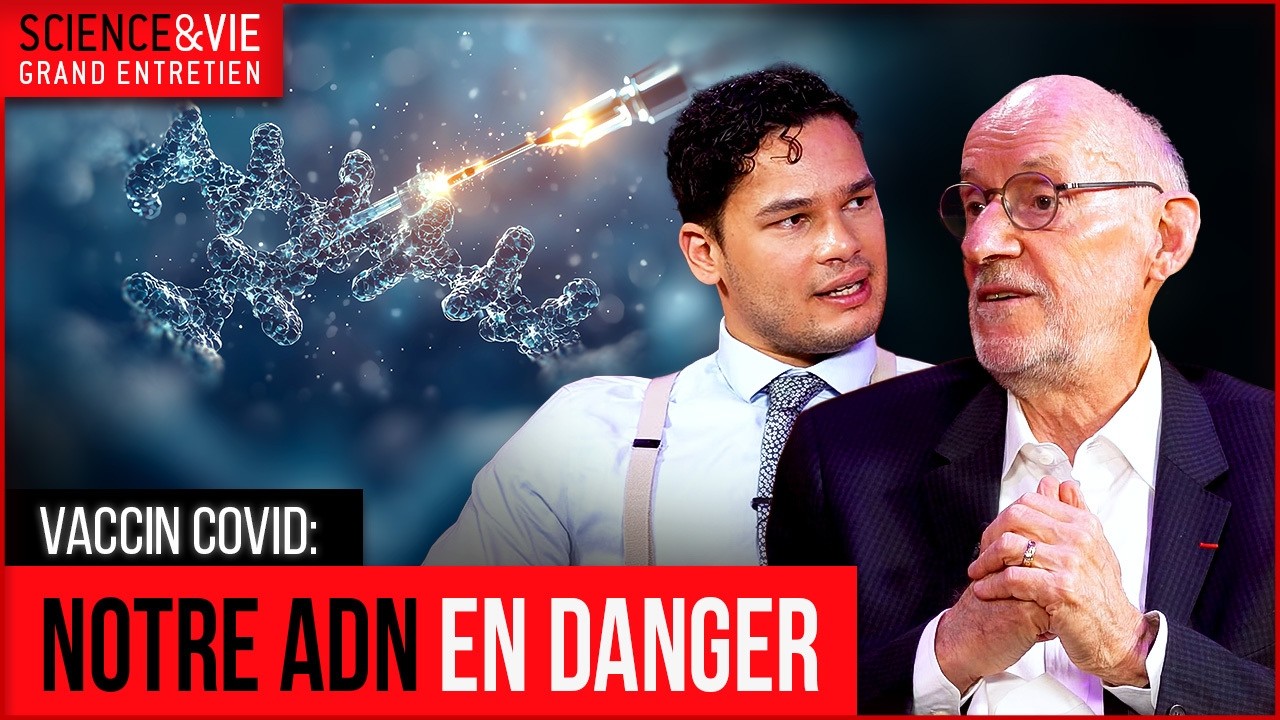
Le VACCIN COVID n'était que le début : Comment ces Nanoparticules vont vaincre le CANCER
Keywords
Summary
136 words
Critical Evaluation
Value of the Information & Strength of the Argument
The video provides valuable insights into the science of nanomedicines, particularly the technical challenges of mRNA delivery and the rationale behind lipid nanoparticle design. The explanation of endosomal escape and the role of ionizable lipids is clear and educational. However, the argumentation is weakened by unsubstantiated claims about vaccine safety, such as stating there are no serious side effects after over a billion injections, which contradicts reports from pharmacovigilance systems. The discussion on the business side of biotech is informative, highlighting the financial and regulatory hurdles, but it is presented from a single perspective without critical examination of industry practices.
Scientific Rigor, Source Quality, Title Accuracy
The scientific rigor is mixed. The expert’s credentials are strong, but the video lacks citations to specific studies or data to support key claims, particularly regarding vaccine safety and efficacy. The title is somewhat sensationalist, promising a focus on cancer treatment, but the content primarily covers mRNA vaccine technology and the business of drug development, with only a brief mention of cancer applications. The adéquation between title and content is moderate. The video does not cite external sources beyond a book recommendation, and the only link provided is to the production company’s website.
208 words
Title / Content Match
The title is somewhat sensationalist, but the content does discuss nanoparticles in the context of cancer treatment, though the focus is more on the science of mRNA vaccines and the business of biotech.
Quality & Reliability
6/10
The video features a recognized expert in nanomedicine, but contains unsubstantiated claims about vaccine safety and efficacy, and lacks rigorous citation of scientific sources.
Chapters
- Le secret des vaccins Covid : Pourquoi les nanoparticules sont indispensables ?
- Pourquoi l'ARN messager ne peut pas entrer seul dans nos cellules ?
- La découverte géniale des lipides ionisables (Prix Nobel).
- MYTHE DÉBUNKÉ : Le vaccin modifie-t-il votre ADN ?
- "Stealth" : Comment les nanomédicaments se cachent du système immunitaire.
- De la recherche publique à la création de Start-up (L'histoire de BioAlliance).
- Les étapes critiques : Du laboratoire aux essais sur l'homme.
- Essais Cliniques expliqués : Phase 1, 2 et 3 (et pourquoi ça coûte 1 milliard).
- Le piège de la Bourse : Quand les financiers prennent le pouvoir sur les chercheurs.
- Recommandations de lecture et conclusion.
Cited Sources
- Propulse Media — Production company website, mentioned in the video description.
Concurring Sources
- Nature Reviews Materials - Lipid nanoparticles for mRNA delivery — Supports the technical explanation of lipid nanoparticles and mRNA delivery.
Dissenting Sources
- VAERS data on COVID-19 vaccine adverse events — The claim of no serious side effects contradicts reports of adverse events in VAERS and other pharmacovigilance databases.
Contribution & Novelties
The video offers an expert’s perspective on the intersection of nanomedicine research and biotech entrepreneurship, providing a unique insider view on the challenges of translating academic discoveries into marketable drugs. It clarifies the science behind mRNA vaccines and introduces the concept of ‘stealth’ nanoparticles.
Pour aller plus loin :
- Lipid nanoparticles for mRNA delivery — A comprehensive review on the design and function of lipid nanoparticles in mRNA therapeutics.
- Pieter Cullis and ionizable lipids — Background on the scientist who pioneered ionizable lipids for mRNA delivery.
- Clinical trial phases — FDA’s official explanation of clinical trial phases, relevant to the discussion of drug development costs.
105 words
Radar Profile
The radar profile shows high scores in technical level and information quantity, but lower scores in information quality and reliability, reflecting the expert's depth of knowledge but the lack of rigorous sourcing and potentially misleading safety claims.
💬 Levée de boucliers. Sur les 30 commentaires analysés, la grande majorité exprime une forte opposition au contenu, accusant l'expert de nier les effets secondaires graves et remettant en cause sa crédibilité.