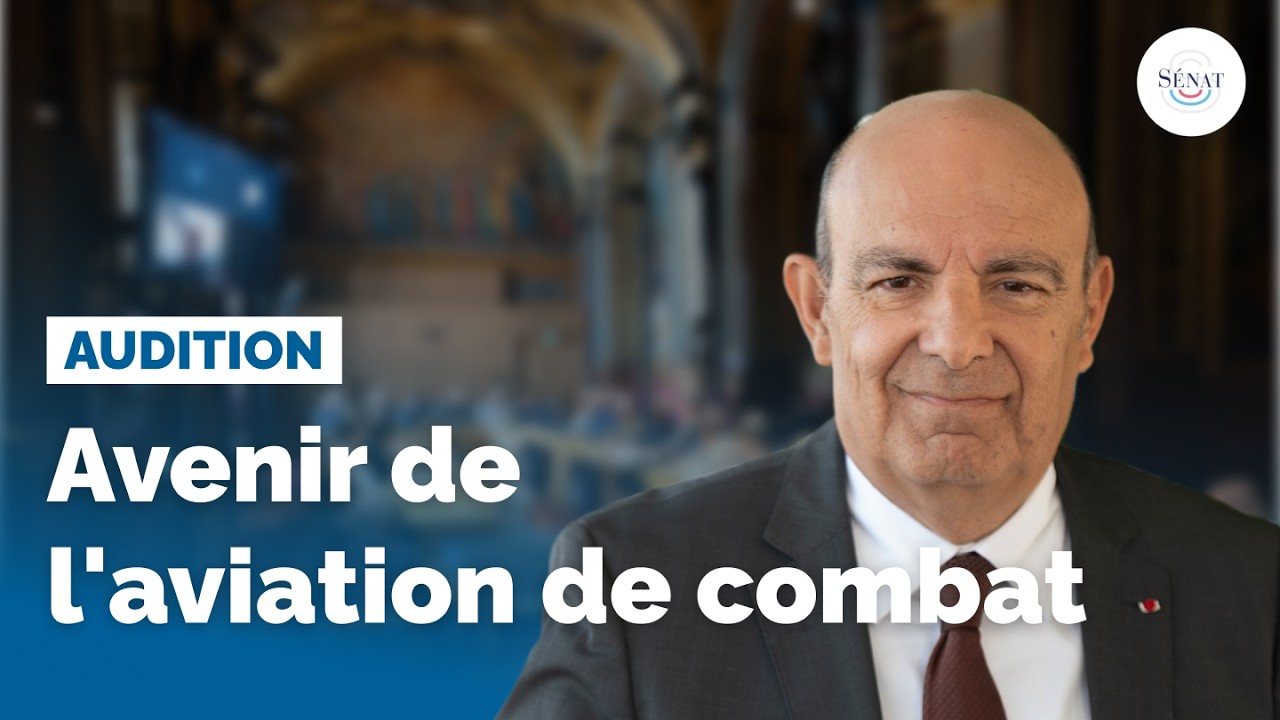
Avenir de l'aviation de combat
Keywords
Summary
102 words
Critical Evaluation
Value of the Information & Strength of the Argument
The value of the information is high, as it comes directly from a key industry leader and provides unique insights into ongoing defense programs and strategic decisions. The argumentation is coherent and well-structured, with clear explanations of the technical and political factors influencing the future of combat aviation. Trappier’s arguments are supported by concrete examples, such as the Indian contract and the SCAF breakdown, making the discussion substantive and credible.
Scientific Rigor, Source Quality, Title Accuracy
The scientific rigor is appropriate for a parliamentary hearing, with the speaker providing first-hand knowledge and referencing specific programs and events. The sources are primarily the speaker’s own experience and official program details, which are reliable for this context. The title accurately represents the content, focusing on the future of combat aviation as discussed. The hearing is an official record, adding to its credibility.
149 words
Title / Content Match
The title accurately reflects the content, which focuses on the future of combat aviation, including the Rafale F5, the SCAF program, and export prospects.
Quality & Reliability
8/10
The content is a formal parliamentary hearing with a high-level industry leader, providing direct insights into defense programs and geopolitical strategy. The information is first-hand and authoritative, though it reflects the speaker's perspective and may have inherent biases.
Key Moments
Markers derived by PSI from the transcript: the creator did not define chapters.
- Introduction by the committee president, outlining topics: Rafale exports, F5 standard, SCAF failure, and industrial strategy.
- Trappier begins his statement, discussing the geopolitical context and the role of drones in modern conflicts.
- Trappier details the Rafale F5 program, including new engine, sensors, and integration of new missiles.
- Discussion on the Indian contract for 214 Rafales, including local assembly and government-to-government agreement.
- Trappier explains the reasons for the SCAF breakdown, citing governance issues and Airbus's desire for more responsibility.
- Trappier emphasizes the need for French leadership in future fighter development and the importance of export for economic viability.
- Questions from senators begin, focusing on the impact of SCAF failure on other projects.
Cited Sources
- Sénat - Commission des Affaires étrangères et de la Défense — Official page of the Senate committee hosting the hearing.
Concurring Sources
- Rafale F5 standard — Wikipedia article confirming the F5 standard details.
Contribution & Novelties
This hearing provides unique, first-hand insights into the strategic decisions and industrial challenges facing French combat aviation. It clarifies the reasons behind the SCAF program’s collapse and outlines the path forward for a French-led sixth-generation fighter. The discussion also highlights the importance of export markets and the role of industrial sovereignty in national defense.
Pour aller plus loin :
- SCAF program — Background on the trilateral program.
- Dassault Aviation — Official company website with details on Rafale and Neuron.
- Rafale F5 standard — Overview of the planned upgrade.
88 words
Radar Profile
The radar profile shows high scores in information quantity, quality, technical level, and reliability, indicating a dense and authoritative discussion. The content is highly specialized and reliable, with a strong focus on technical and strategic details.
💬 Sur les 0 commentaires analysés, aucune tendance n'est disponible.