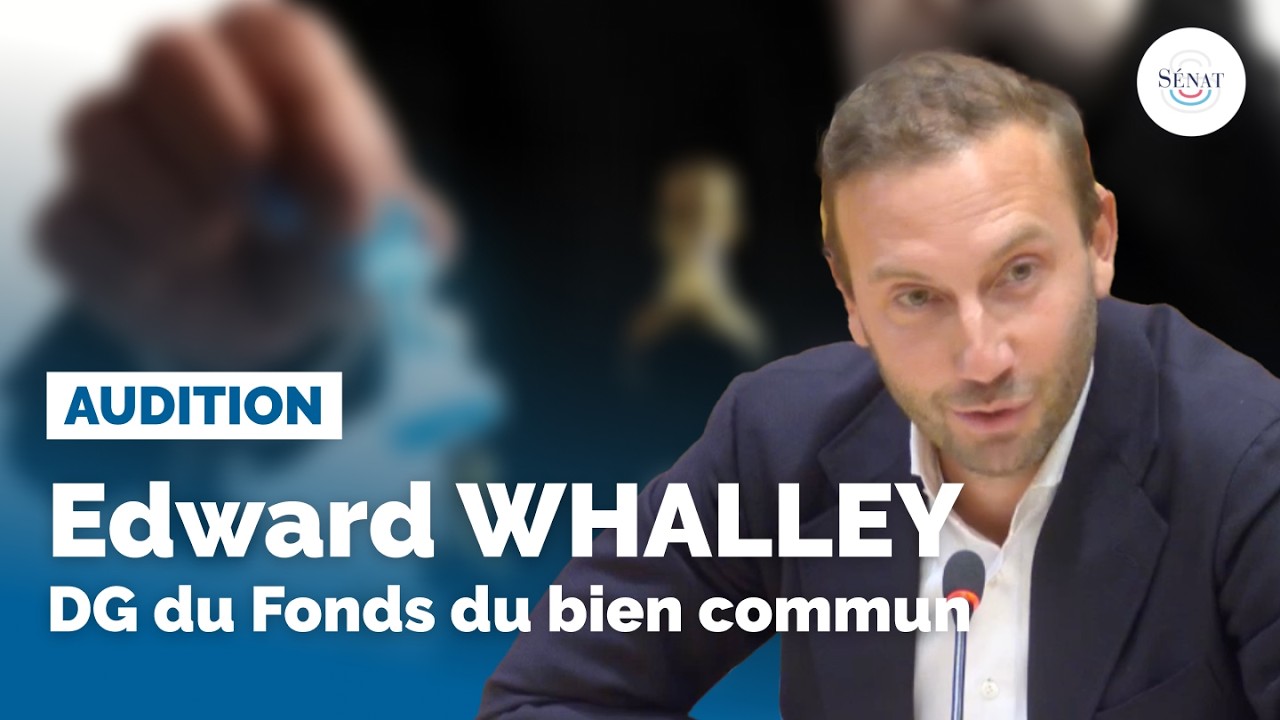
Audition du directeur général du Fonds du bien commun
Keywords
Summary
157 words
Critical Evaluation
Value of the Information & Strength of the Argument
The video provides valuable primary-source testimony from a key actor in the French philanthropic sector, offering detailed insights into the operations, governance, and self-perceived role of the Fonds du bien commun. The argumentation is structured and defensive, with Whalley systematically addressing criticisms and presenting counterarguments. He uses specific examples of funded projects and cites institutional reports to support his claims. However, the argumentation is one-sided, as it is a testimony in defense of the fund, and the committee’s questions are not fully explored in this excerpt. The value lies in the factual details about the fund’s activities and the public record of the hearing.
Scientific Rigor, Source Quality, Title Accuracy
The hearing is a formal parliamentary procedure, which lends a degree of rigor and officiality. Whalley speaks under oath, and the committee members reference official documents such as activity reports and legal frameworks. The sources cited are primarily the fund’s own reports and public institutional data. The title accurately reflects the content. The video is a raw recording without additional context or analysis, so the viewer must rely on the spoken testimony. The quality of sources is moderate: while the testimony is official, it is inherently biased, and the video does not provide independent verification.
214 words
Title / Content Match
The title accurately describes the content: a hearing of the director general of the Fonds du bien commun before a Senate committee.
Quality & Reliability
7/10
The content is a formal parliamentary hearing, providing direct testimony under oath from the director of a philanthropic fund. The information is primary and official, but it is inherently partisan and subject to the speaker's perspective. The video is raw footage without editorial analysis, which limits its standalone reliability.
Key Moments
Markers derived by PSI from the transcript: the creator did not define chapters.
- Introduction by the committee president, outlining the purpose of the inquiry and the legal framework.
- Rapporteur presents the focus of the inquiry: transparency of private financing of public policies.
- Edward Whalley begins his introductory statement, presenting his background and the mission of the Fonds du bien commun.
- Whalley details the four areas of action: solidarity, education, culture, and personal growth, citing statistics on social challenges.
- Whalley explains the fund's dual structure (endowment fund and investment company) and its selection criteria.
- Whalley addresses two 'counter-truths': the absence of tax receipts and the denial of any partisan agenda.
- Whalley concludes his statement, defending philanthropic freedom and criticizing the 'harassment' of projects.
- Rapporteur begins questioning, citing specific funding amounts and asking about the fund's strategy.
- Whalley responds, providing detailed figures on total engagements and the top 10 funded projects.
- Discussion about the creation of another endowment fund (John Henry Newman) and the fund's involvement.
Cited Sources
- Rapports d'activité du Fonds du bien commun (2020-2025) — Cited by the rapporteur to question the fund's financial figures.
- Site de la HATVP (Haute Autorité pour la transparence de la vie publique) — Mentioned by Whalley as the platform where the fund's activities are declared.
- Rapport de Boris Clunic (2021) — Referenced by Whalley as the basis for the 'Milot' project on early childhood language inequalities.
Concurring Sources
- Rapports d'activité du Fonds du bien commun — The fund's own reports are used by both the rapporteur and the director, though they interpret them differently.
Dissenting Sources
- Allegations of political influence in the press — Whalley denies accusations of a partisan agenda, which have been reported in media and by some committee members.
Contribution & Novelties
This video provides a unique primary-source account of a French Senate inquiry into private financing of public policies, specifically focusing on the Fonds du bien commun. It offers direct testimony from the fund’s director, revealing its operational details, governance, and defense against allegations. The hearing contributes to the public record on the debate over philanthropic influence and transparency in France.
Pour aller plus loin :
- Philanthropy in France — Overview of philanthropic practices and legal frameworks.
- Endowment fund (France) — Explanation of the legal structure of endowment funds in France.
- Senate inquiry committee (France) — Description of the role and powers of parliamentary inquiry committees.
105 words
Radar Profile
The radar profile shows high scores in information quantity and reliability, reflecting the detailed and official nature of the testimony. The technical level is moderate, as the content is accessible but involves legal and financial terminology. The overall balance indicates a substantive but not highly technical discussion.