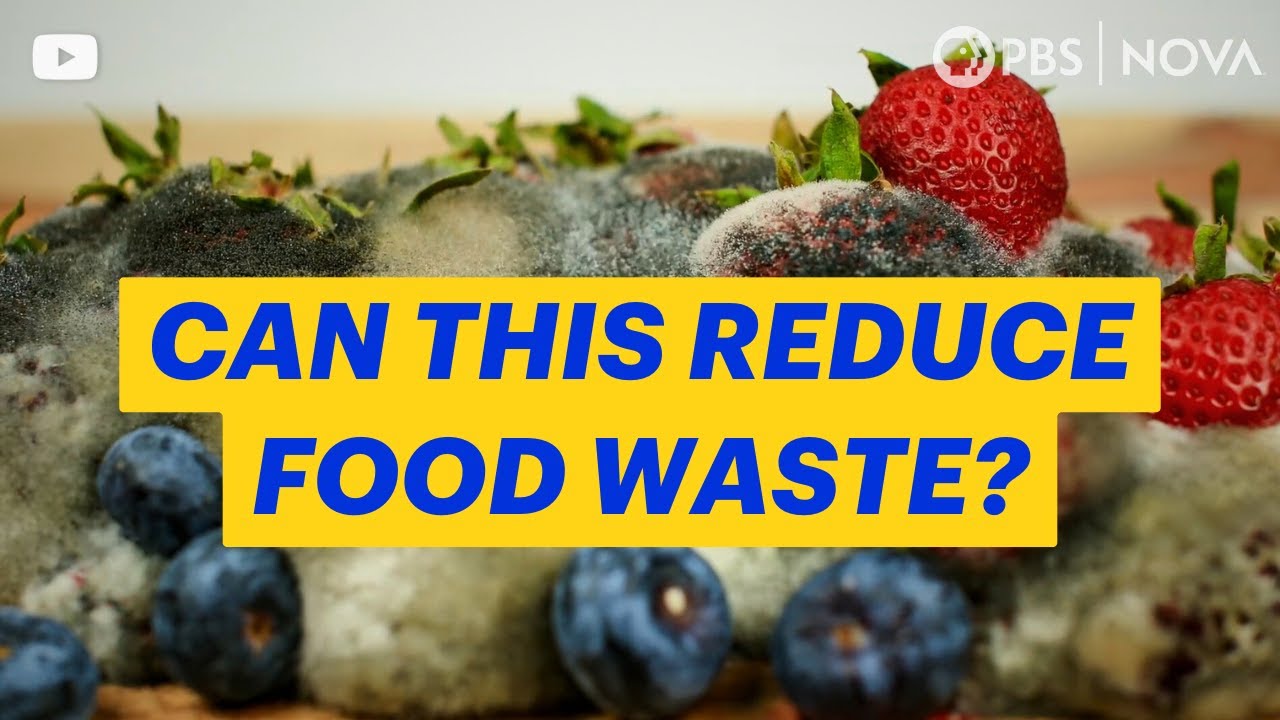
This Artificial Nose Sniffs Out Rotting Food | NOVA | PBS
Keywords
Summary
168 words
Critical Evaluation
The video provides a compelling and informative look at the development of a novel sensor technology for food quality assessment. It excels in explaining the scientific principles behind the E-nose, such as infrared spectroscopy and the detection of volatile organic compounds, in an accessible manner. The inclusion of real laboratory and field tests adds credibility, and the transparent discussion of initial failures and subsequent iterations illustrates the engineering process authentically. The sources cited are limited to the NOVA episode page, which is appropriate for a documentary but does not provide peer-reviewed references. The video is somewhat promotional, as it focuses on Tunable’s technology without independent evaluation or comparison to alternative methods. However, it does acknowledge limitations, such as the need for temperature calibration and scalability challenges. The title accurately reflects the content, and the production quality is high. Overall, the video is a valuable resource for understanding the intersection of technology and sustainability, though viewers should seek additional scientific literature for a more critical perspective.
165 words
Title / Content Match
The title accurately reflects the content: the video showcases an artificial nose (E-nose) developed to detect rotting food, with demonstrations and field tests.
Quality & Reliability
8/10
The video is produced by NOVA PBS, a reputable science documentary series. It features interviews with engineers and scientists from Tunable, a company developing the technology, and shows real laboratory and field tests. The scientific principles are explained accurately, and the challenges and limitations are presented transparently. However, as a promotional piece, it lacks independent verification and peer-reviewed sources.
Key Moments
Markers derived by PSI from the transcript: the creator did not define chapters.
- Introduction to global food waste problem and its environmental impact.
- BAMA warehouse operations and the challenge of inspecting pallets.
- Tunable's background and the concept of digitizing smell.
- Laboratory demonstration: measuring fresh vs. spoiled grapes.
- First field test failure due to cold temperature.
- Recalibration and successful field test detecting ethanol.
Cited Sources
- Building Stuff: Change It! - NOVA — Full episode from which this clip is taken, providing broader context on engineering solutions.
Concurring Sources
- Food and Agriculture Organization (FAO) - Food Loss and Waste — Provides statistics on global food waste, supporting the video's claims.
Contribution & Novelties
The video presents an innovative application of infrared spectroscopy for food spoilage detection, demonstrating a practical solution to reduce food waste. It highlights the engineering challenges and iterative design process, offering insights into real-world technology development.
Pour aller plus loin :
- Electronic nose - Wikipedia — Overview of electronic nose technology and its applications.
- Volatile organic compound - Wikipedia — Background on VOCs relevant to spoilage detection.
- Infrared spectroscopy - Wikipedia — Explanation of the spectroscopic method used in the E-nose.
81 words
Radar Profile
The radar profile shows high scores in quality of information and reliability, reflecting the reputable source and transparent presentation. The quantity of information is moderate, and the technical level is accessible, making it suitable for a general audience. The overall balance indicates a well-produced educational piece.
💬 No comments were provided for analysis.