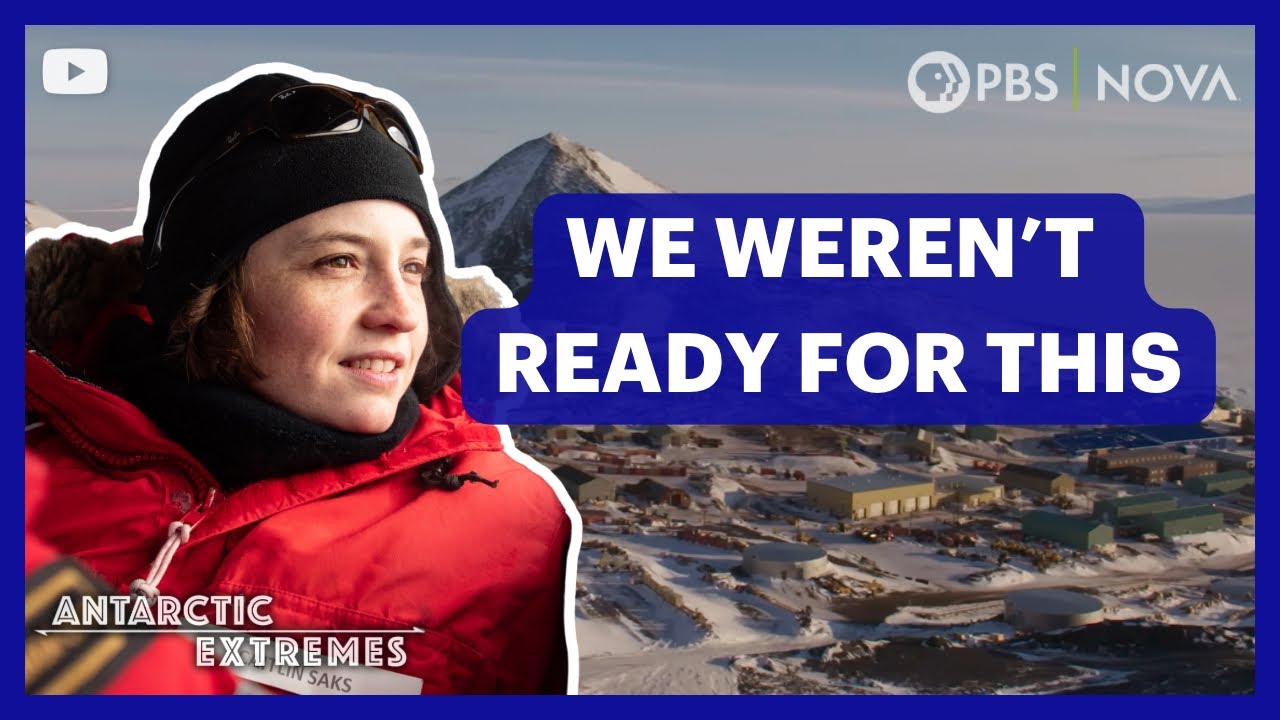
Antarctica Was Way Weirder Than We Expected | NOVA | PBS
Keywords
Summary
132 words
Critical Evaluation
The video is a well-produced documentary that offers a compelling glimpse into the realities of Antarctic fieldwork. As a science communication piece, it excels in making the experience relatable and engaging, with a strong narrative arc that balances the hosts’ personal journey with the broader scientific context. The information presented is accurate and consistent with known facts about McMurdo Station and Antarctic conditions. The production values are high, with excellent cinematography and editing that capture the stark beauty and danger of the continent. The scientific content is limited in this episode, as it primarily focuses on preparation and logistics, but it effectively sets the stage for future episodes that will delve into specific research projects. The interviews with scientists and station personnel add credibility and depth, though they are brief. The title accurately reflects the content, and the episode successfully conveys the ‘weirdness’ of the Antarctic environment. The main limitation is that it is a setup episode, leaving viewers wanting more substantive science. However, as an introduction to a series, it is effective and engaging. The sources cited are minimal, but the institutional backing of NOVA and PBS lends authority. Overall, this is a high-quality science documentary that prioritizes storytelling and human experience, which may appeal to a broad audience but might leave hardcore science enthusiasts wanting more technical detail.
220 words
Title / Content Match
The title accurately reflects the content, which highlights the unexpected and challenging aspects of Antarctic life and research.
Quality & Reliability
8/10
Production by NOVA, a reputable science documentary series, with credible scientific context and interviews with researchers. The content is primarily a behind-the-scenes look at Antarctic logistics and preparation, with promises of future scientific segments. No specific scientific claims are made in this episode, but the production values and institutional backing suggest high reliability.
Key Moments
Markers derived by PSI from the transcript: the creator did not define chapters.
- Introduction to the hosts and their mission to Antarctica.
- Gearing up at the winter clothing depot in New Zealand.
- Flight on a US Air Force C-17 to McMurdo Station.
- Arrival at McMurdo and first views of the station.
- Survival training and learning about the dangers of the environment.
- Reflections on the challenges and the community at McMurdo.
- Preview of upcoming scientific adventures in the series.
Cited Sources
- NOVA Newsletter — Mentioned in the video description as a way to stay updated on NOVA content.
Concurring Sources
- NOVA Polar Extremes — Related NOVA documentary on polar climate history.
Contribution & Novelties
This video provides a unique behind-the-scenes perspective on the logistics and human experience of Antarctic research, which is often overlooked in favor of the science itself. It humanizes the scientists and support staff, showing the challenges they face in an extreme environment. The series promises to explore specific scientific topics in future episodes, but this installment focuses on the preparation and mindset required for fieldwork.
Pour aller plus loin :
- McMurdo Station — Overview of the US Antarctic research station.
- Antarctic Treaty System — International agreement governing Antarctica.
- Operation Deep Freeze — US military support for Antarctic missions.
98 words
Radar Profile
The radar profile shows high scores in information quality and reliability, reflecting the trusted NOVA brand and solid production. The quantity of information is moderate, as this episode focuses on logistics rather than dense scientific content. The technical level is moderate, suitable for a general audience. Overall, the video is a reliable and engaging introduction to Antarctic science.
💬 Très positif : Sur les 30 commentaires analysés, la grande majorité exprime enthousiasme et admiration pour la série, avec des éloges sur la production et le contenu, et certains partagent des expériences personnelles en Antarctique.