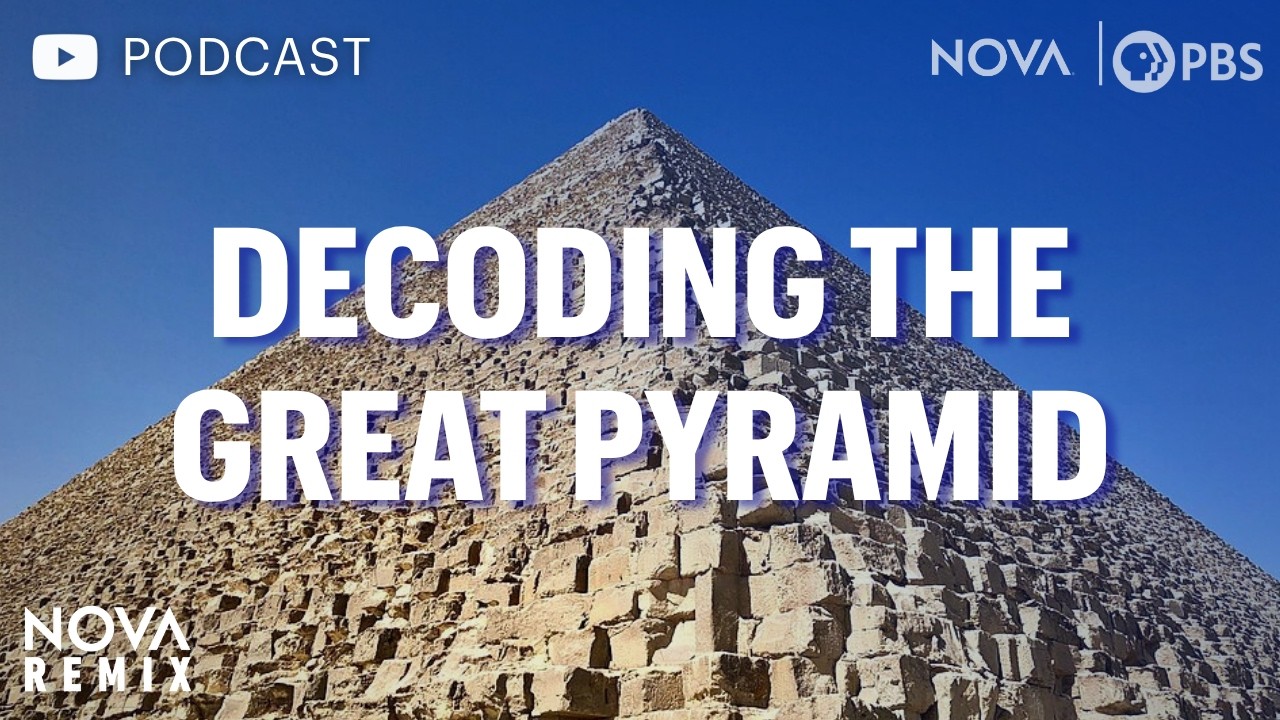
(Podcast Version) Decoding the Great Pyramid | NOVA Remix | NOVA | PBS
Keywords
Summary
141 words
Critical Evaluation
The documentary provides a compelling and well-researched overview of recent archaeological discoveries that reshape our understanding of the Great Pyramid’s construction. It effectively debunks the myth of slave labor by presenting concrete evidence from the workers’ city and the Wadi al-Jarf papyri. The interviews with leading Egyptologists lend credibility, and the use of primary sources like the papyri adds a layer of authenticity. The argumentation is solid, building a case from multiple lines of evidence: settlement archaeology, zooarchaeology, and textual analysis. However, the documentary tends to present a single narrative without exploring alternative theories or scholarly debates, which might oversimplify the complexity of the topic. The technical level is accessible, making it suitable for a general audience, but it does not delve into the finer engineering details. The sources cited are reliable, including the NOVA website and the full film, but the documentary does not provide direct links to academic papers. The title accurately reflects the content, and the documentary succeeds in ‘decoding’ the pyramid by focusing on the people and logistics behind its construction. Overall, it is a high-quality production that offers valuable insights, though it could benefit from a more critical examination of the evidence and alternative viewpoints.
200 words
Title / Content Match
The title accurately reflects the content, which focuses on decoding the engineering and workforce behind the Great Pyramid.
Quality & Reliability
8/10
The documentary features interviews with established Egyptologists (Mark Lehner, Salima Ikram, Pierre Tallet) and presents archaeological evidence from excavations at Giza and Wadi al-Jarf. The information is based on peer-reviewed research and primary sources like the Wadi al-Jarf papyri. However, some interpretations are presented with a narrative flair, and the documentary does not delve into alternative theories or potential controversies in depth.
Key Moments
Markers derived by PSI from the transcript: the creator did not define chapters.
- Introduction to the Great Pyramid and the question of who built it.
- Mark Lehner discusses his initial new-age ideas and his shift to archaeological evidence.
- Introduction to Pharaoh Khufu and the lack of direct evidence about him.
- Discovery of the lost city of the pyramid builders by Lehner and Hawass.
- Analysis of artifacts and food remains indicating a well-fed workforce.
- Discussion of the workforce as skilled craftsmen and the supply chain.
- Explanation of the seasonal labor from farmers during the Nile flood.
- Discovery of the Wadi al-Jarf papyri and their significance.
- Details from the papyri about deliveries and the use of waterways.
- Conclusion on the engineering innovations and the national project aspect.
Cited Sources
- NOVA - Decoding the Great Pyramid (full film) — The full documentary film that this podcast is based on.
- NOVA Newsletter — Newsletter sign-up for updates on NOVA content.
Concurring Sources
- NOVA - Decoding the Great Pyramid (full film) — The full documentary provides more detailed evidence and interviews.
Contribution & Novelties
This documentary provides a fresh synthesis of recent archaeological discoveries, particularly the Wadi al-Jarf papyri and the workers’ city, to offer a more nuanced understanding of the Great Pyramid’s construction. It emphasizes the role of a skilled and well-fed workforce, challenging the long-held myth of slave labor. The use of primary sources like the papyri gives a direct voice to the ancient workers, making the history more tangible.
Pour aller plus loin :
- Wadi al-Jarf papyri — Wikipedia article providing background on the site and the papyri.
- Mark Lehner’s work on Giza — Overview of Lehner’s archaeological contributions.
- Great Pyramid of Giza — General information on the pyramid’s construction and history.
111 words
Radar Profile
The radar profile shows high scores in information quantity, quality, and reliability, with a slightly lower technical level, indicating a well-balanced and accessible documentary that is both informative and trustworthy.