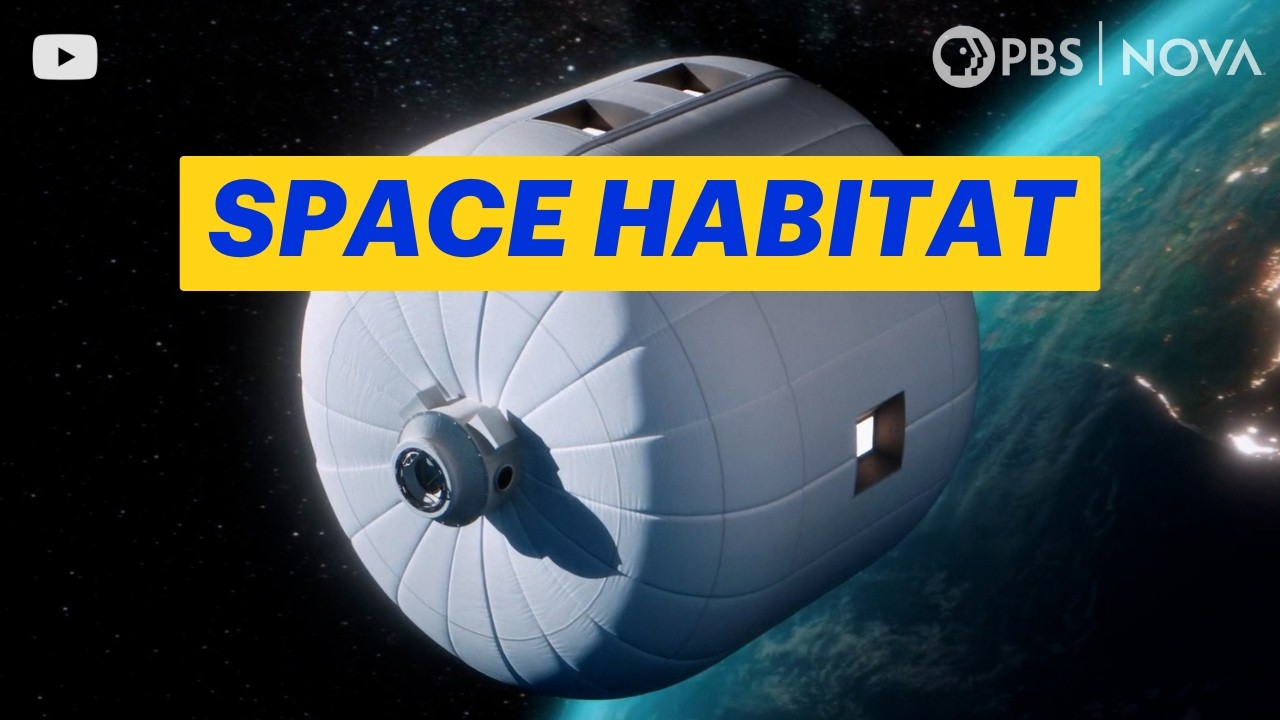
Scientists Explode an Inflatable Habitat to Live in Space | NOVA | PBS
Keywords
Summary
148 words
Critical Evaluation
The video provides a compelling and informative look at the engineering behind inflatable space habitats. It excels in visual storytelling, showing the actual burst test and the reactions of the engineers, which makes the content engaging and accessible. The technical explanations are clear, covering the materials (vectran), the layering system, and the safety factors. The inclusion of the failed first attempt adds authenticity and demonstrates the iterative nature of engineering. However, the video is produced by NOVA PBS in collaboration with Sierra Space, which introduces a promotional element. It does not critically examine potential drawbacks or alternative approaches, and it lacks independent expert commentary. The focus is on the success of the test, and the narrative is somewhat one-sided. Despite this, the information presented is accurate and based on real engineering practices. The video effectively communicates the importance of testing and the challenges of designing for space. The adéquation between title and content is strong, as the burst test is the central event. Overall, it is a high-quality documentary that serves as a good introduction to the topic, but viewers should be aware of its promotional undertones.
187 words
Title / Content Match
The title accurately reflects the content: the video shows scientists deliberately pressurizing an inflatable habitat until it bursts.
Quality & Reliability
8/10
The video is produced by NOVA PBS, a reputable science documentary series. It documents a real engineering test (ultimate burst test) of Sierra Space's LIFE habitat, featuring interviews with engineers and showing actual test footage. The information is presented accurately, with clear explanations of the technology and safety factors. The main limitation is the lack of independent verification and the promotional aspect of the content, as it is produced in collaboration with the company.
Key Moments
Markers derived by PSI from the transcript: the creator did not define chapters.
- Introduction to the concept of inflatable habitats and the LIFE module by Sierra Space.
- Explanation of the ultimate burst test and the goal to pressurize the habitat until failure.
- Description of the LIFE habitat's structure, including four layers and the vectran restraint layer.
- Discussion of the safety factor and the target pressure of 60.8 psi.
- Preparation for the test, including sensor setup and control room monitoring.
- First burst test attempt: pressure rises but slows, leading to a suspected leak.
- Decision to end the first test short of the goal; investigation reveals a valve issue.
- Second test attempt: pressure climbs past 60 psi, and the habitat bursts at 77 psi.
- Reaction to the successful burst and discussion of the data collected.
- Conclusion on the importance of the test for future space habitats.
Cited Sources
- Building Stuff: Reach It! — Referenced in the video description as a related NOVA episode.
Concurring Sources
- NASA's Marshall Space Flight Center — The test was conducted at this facility, and NASA is a partner in the development.
Dissenting Sources
Contribution & Novelties
The video provides an inside look at the development and testing of a full-scale inflatable habitat, a topic not widely covered in mainstream media. It showcases the engineering process, including the ultimate burst test, and explains the materials and safety considerations. The novelty lies in the public demonstration of a large-scale test and the transparency about the initial failure.
Pour aller plus loin :
- Inflatable space habitat — Overview of the concept and history.
- Vectran — Details on the material used in the habitat’s restraint layer.
- Sierra Space — Company background and their space habitat projects.
96 words
Radar Profile
The radar profile shows high scores in information quantity, quality, and reliability, with a slightly lower technical level, indicating that the video is informative and trustworthy but not overly technical. The balance suggests it is suitable for a general audience interested in space technology.
💬 Positif. Sur les 30 commentaires analysés, le public est enthousiaste et intéressé par la technologie, avec des blagues sur l'explosion et des discussions sur les implications futures, mais sans critiques majeures.