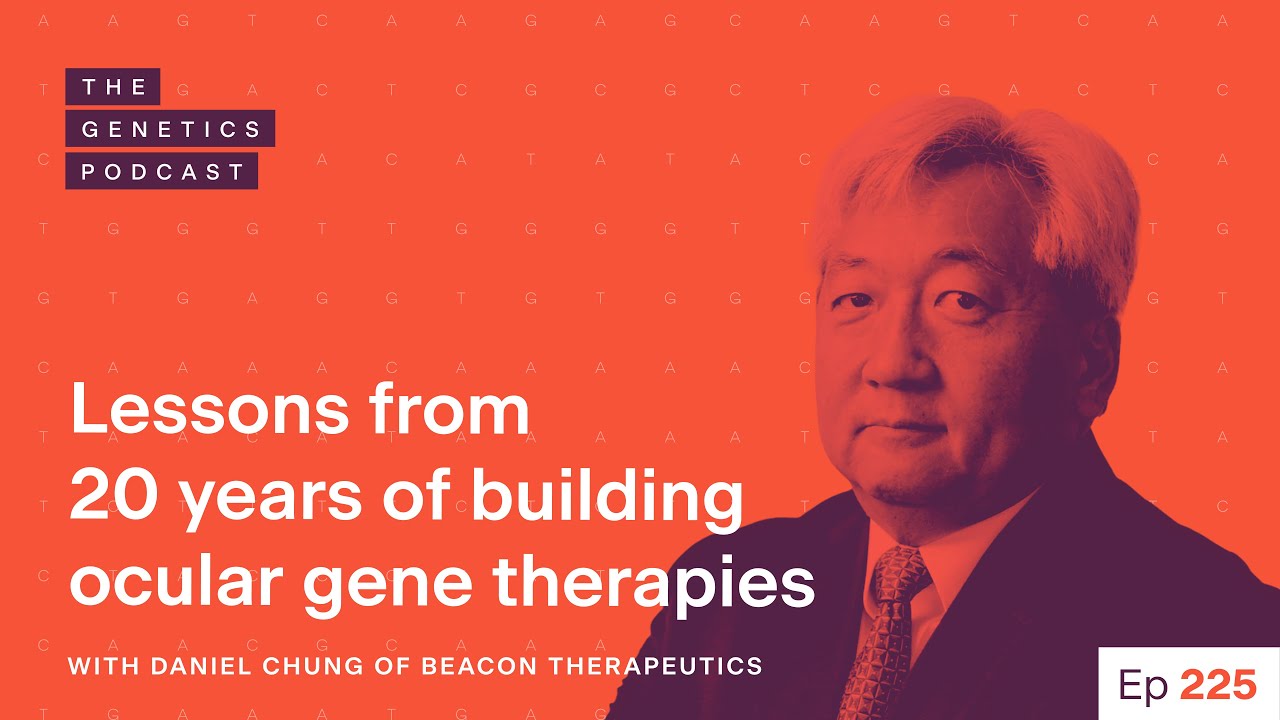
EP 225: Lessons from 20 years of building ocular gene therapies with Daniel Chung of Beacon Tx
Keywords
Summary
244 words
Critical Evaluation
Value of the Information & Strength of the Argument
The podcast provides valuable insights from a leading expert in ocular gene therapy, offering a comprehensive overview of the field’s history, current challenges, and future directions. Chung’s arguments are well-supported by his direct experience with Luxturna and his current role at Beacon Therapeutics. He provides specific examples of trial design issues, such as the selection of endpoints and the importance of regulatory and payer perspectives. The discussion is balanced, acknowledging both successes and failures, and offers practical lessons for researchers and clinicians. The argumentation is solid, though it relies on anecdotal evidence and personal experience rather than formal data or citations.
Scientific Rigor, Source Quality, Title Accuracy
The podcast demonstrates high scientific rigor in its discussion of clinical trial design and regulatory pathways, reflecting the expertise of the guest. However, it lacks formal citations or references to specific studies, relying instead on the speaker’s experience. The title accurately represents the content, which focuses on lessons from two decades of ocular gene therapy development. The show notes provide a clear outline, and the description includes a link to Beacon Therapeutics’ website, but no additional sources are cited. The discussion is credible but would benefit from references to published literature for verification.
209 words
Title / Content Match
The title accurately reflects the content, which focuses on lessons from two decades of ocular gene therapy development, as discussed by Daniel Chung.
Quality & Reliability
8/10
The podcast features an expert with over 30 years of experience in ophthalmology and gene therapy, providing detailed insights into clinical trial design, regulatory pathways, and commercial considerations. The discussion is grounded in real-world experience, including the development of Luxturna. However, it is an opinion-based conversation without formal citations or peer-reviewed references, and some claims are not independently verifiable.
Chapters
- Intro to The Genetics Podcast
- Welcome to Daniel
- Daniel’s firsthand experience with the development and approval of Luxturna for inherited retinal dystrophy
- Factors contributing to delays in approval for gene therapies in recent years
- Overview of ocular diseases and their suitability for gene therapy
- Why Daniel joined Beacon Therapeutics and current priorities for the lead program
- Key challenges in designing and executing a pivotal gene therapy trial for X-linked retinitis pigmentosa (XLRP)
- Lessons from prior inherited retinal disease trials and selecting the right clinical endpoints
- Expanding beyond the lead program into earlier patients and additional ocular indications
- AAV packaging constraints and managing immunogenicity in ocular gene therapy
- Lessons from academia–industry collaboration in developing gene therapies
- Access to genetic testing in inherited retinal diseases and remaining gaps
- Key scientific, regulatory, and commercial challenges facing gene therapy today
- Closing remarks
Cited Sources
- Beacon Therapeutics — Mentioned as the company where Daniel Chung serves as Chief Medical Officer.
- Show Notes — Provided in the description for further information about the episode.
Concurring Sources
- Beacon Therapeutics — Official website of the company, providing information on their pipeline and programs.
Contribution & Novelties
This podcast offers a unique perspective from a key figure in the development of the first approved ocular gene therapy, providing valuable lessons for the field. Chung’s insights into endpoint selection, trial design, and regulatory interactions are particularly informative. The discussion of the challenges and potential solutions for XLRP trials adds practical knowledge for researchers.
Pour aller plus loin :
- Gene therapy for inherited retinal diseases — Provides background on the topic.
- Luxturna (voretigene neparvovec) — Details on the first approved gene therapy.
- Adeno-associated virus (AAV) — Explains the vector used in many gene therapies.
- Inherited retinal dystrophy — Overview of the disease category.
104 words
Radar Profile
The radar profile shows high scores in information quantity and quality, reflecting the expert's detailed insights. The technical level is moderately high, suitable for a professional audience. Reliability is strong due to the speaker's experience, though the lack of formal citations slightly reduces the score.