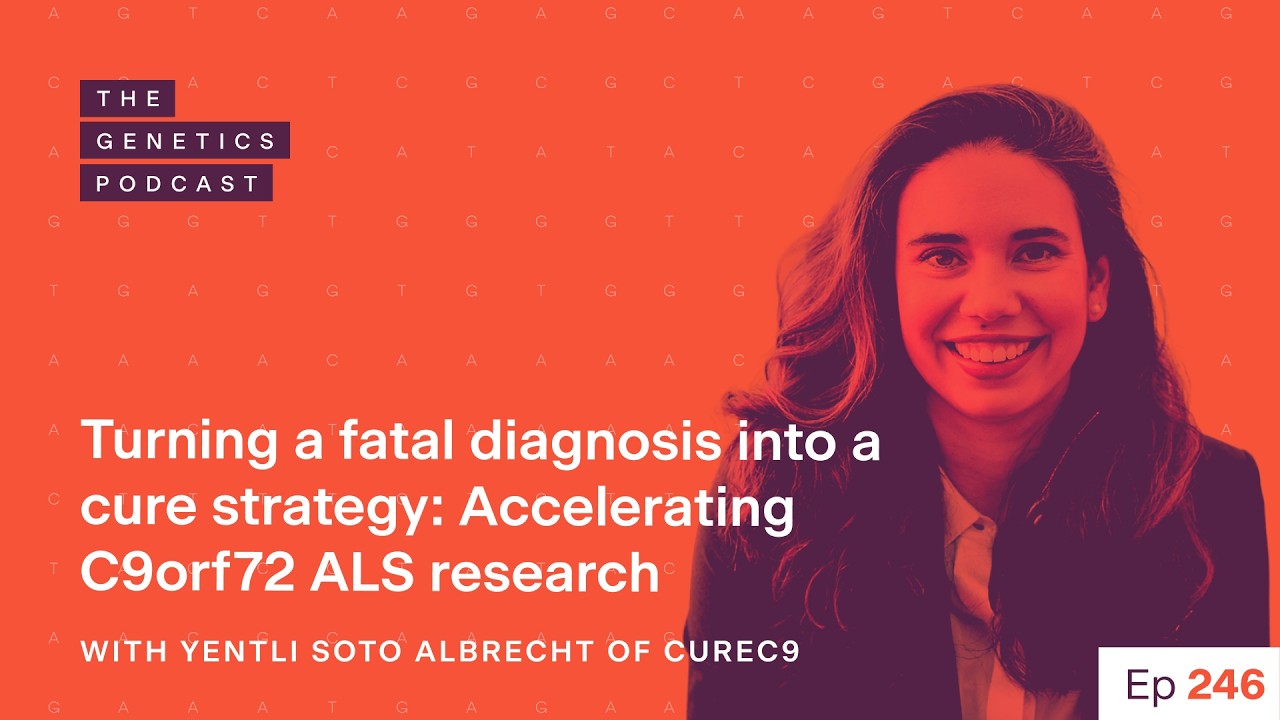
EP 246: Turning a fatal diagnosis into a cure strategy with Yentli Soto Albrecht of CureC9
Keywords
Summary
187 words
Critical Evaluation
Value of the Information & Strength of the Argument
The value of the information is high, as it provides a comprehensive and current overview of C9orf72 ALS/FTD from a scientist with both personal and professional stakes. The argumentation is solid, grounded in the guest’s expertise and experience. She clearly explains complex biology and therapeutic strategies, and her reasoning for focusing on lowering barriers is logical and well-articulated. The discussion is nuanced, acknowledging uncertainties in the field, such as the exact role of TDP-43 and the challenges of biomarkers.
Scientific Rigor, Source Quality, Title Accuracy
The scientific rigor is good, with the guest demonstrating deep knowledge of the subject. However, the episode is primarily an expert opinion and does not cite specific studies or sources. The title accurately reflects the content, focusing on the guest’s personal journey and her efforts to develop a cure strategy through CureC9. No comments were provided, so no analysis of public trends is included.
158 words
Title / Content Match
The title accurately reflects the content, focusing on the guest's personal journey and her efforts to develop a cure strategy through CureC9.
Quality & Reliability
8/10
The guest is a physician-scientist with direct expertise in C9orf72 ALS/FTD, providing a detailed and nuanced overview of the biology, therapeutic landscape, and biomarker challenges. The discussion is grounded in current research and personal experience, though it is largely opinion-based and lacks formal citations.
Chapters
- Intro to The Genetics Podcast
- Welcome to Yentli
- How Yentli's father's C9 ALS diagnosis and her own genetic risk led her to pivot her research career toward curing it
- The biology of the C9orf72 repeat expansion and how TDP-43 dysregulation links it to ALS and FTD
- Therapeutic strategies targeting TDP-43 pathology in ALS and FTD
- The state of biomarkers for ALS and FTD, and why C9-FTD trials lag behind ALS
- How Yentli is lowering barriers for biomarker, cell line, and drug development through CureC9
- Call for collaborators and where to follow Yentli
- Closing remarks
Cited Sources
- CureC9 — The guest's organization aimed at accelerating a cure for C9orf72-related ALS and FTD.
Contribution & Novelties
The episode offers a unique perspective by combining personal experience with scientific expertise, highlighting the urgent need for a multi-faceted approach to C9orf72 diseases. It emphasizes the importance of lowering barriers in research, such as access to patient samples and data, and proposes practical solutions like a bio-repository. The discussion also underscores the underrepresentation of FTD in clinical trials and the potential of TDP-43 as a therapeutic target across multiple neurodegenerative diseases.
Pour aller plus loin :
- C9orf72 gene - Genetics Home Reference — Provides a clear explanation of the gene and its associated diseases.
- TDP-43 proteinopathies - Wikipedia — Overview of TDP-43 pathology in various neurodegenerative diseases.
- Healey ALS Platform Trial — Information on a major platform trial for ALS, relevant to therapeutic strategies discussed.
- Stathmin-2 (STMN2) - GeneCards — Details on a gene whose mis-splicing is linked to TDP-43 pathology.
142 words
Radar Profile
The radar profile shows high scores in information quantity and quality, with a slightly lower technical level and reliability, reflecting the expert opinion nature of the content. The overall balance indicates a valuable and informative discussion, though not a formal scientific review.