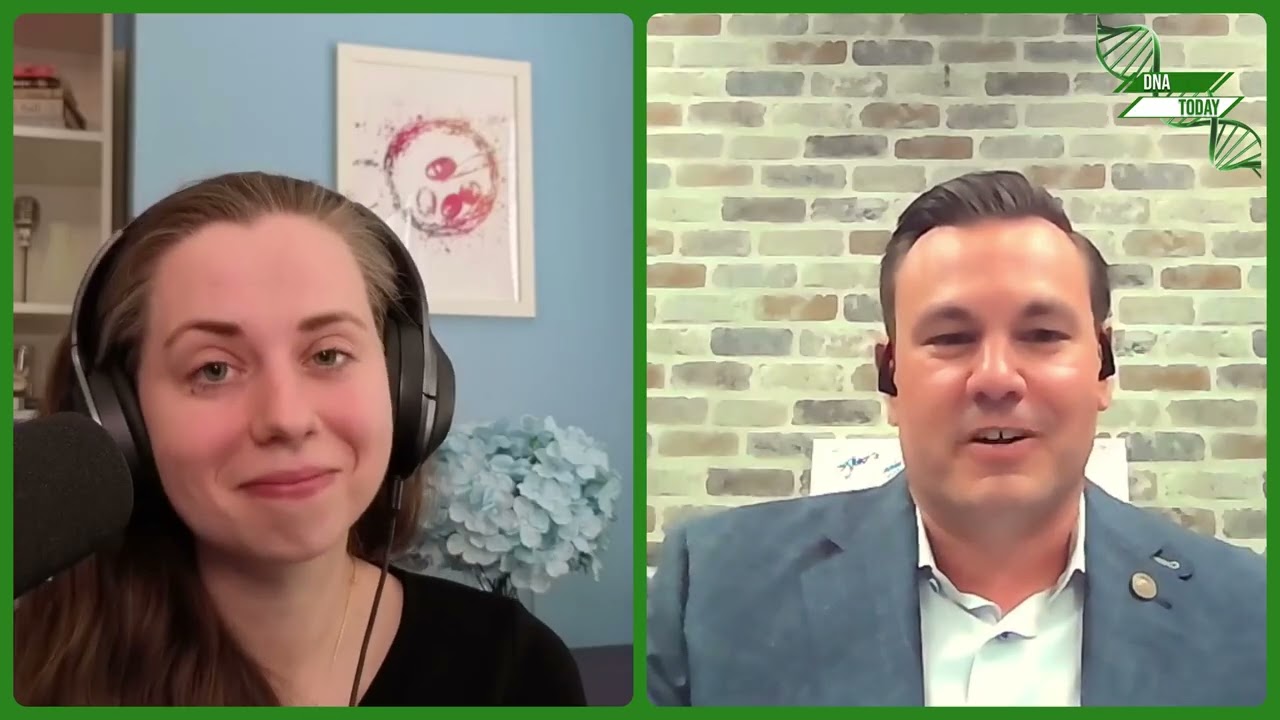
How Newborn Sequencing Could Transform Pediatric Rare Disease Care in Florida
Keywords
Summary
168 words
Critical Evaluation
Value of the Information & Strength of the Argument
The value of the information lies in its detailed explanation of a concrete legislative initiative and its potential impact on rare disease diagnosis and treatment. The argumentation is persuasive, drawing on personal experience and expert knowledge, but it is largely anecdotal and lacks critical examination of potential challenges such as equity, psychological impact, and data security. The guests present a compelling case for the benefits of newborn sequencing, but the discussion would be stronger with more balanced consideration of limitations.
Scientific Rigor, Source Quality, Title Accuracy
The scientific rigor is moderate: the guests are credible and reference established programs, but they do not provide specific data or citations. The sources mentioned (e.g., Genomics England, GUARDIAN, BeginNGS, BEACONS) are real and relevant, but no direct links are given in the description. The title accurately reflects the content, though it may overstate the transformative potential given the pilot nature. The discussion is informative but leans towards advocacy rather than critical analysis.
168 words
Title / Content Match
The title accurately reflects the content, which focuses on the potential of newborn sequencing in Florida, though it slightly overstates the 'transform' aspect given the pilot stage.
Quality & Reliability
7/10
The discussion features credible experts (a state representative and a director of a pediatric rare disease institute) and references established programs, but lacks primary data or peer-reviewed evidence. The content is largely descriptive and advocacy-oriented, with limited critical analysis of potential drawbacks.
Key Moments
Markers derived by PSI from the transcript: the creator did not define chapters.
- Introduction to the Sunshine Genetics Act and its significance.
- Representative Anderson shares his son's story and inspiration for advocacy.
- Explanation of the diagnostic odyssey and how newborn sequencing can shorten it.
- Discussion of the gene panel and criteria for inclusion.
- Comparison with other newborn sequencing programs worldwide.
- Informed consent process and prenatal education.
- Potential impact on gene therapy development and clinical trials.
Cited Sources
- Genomics England Generation Study — Mentioned as a notable newborn sequencing program.
- GUARDIAN Study — Mentioned as a newborn sequencing program in New York.
- BeginNGS — Mentioned as a newborn sequencing program at Rady Children's.
- BEACONS — Mentioned as an NIH-funded initiative.
- International Consortium on Newborn Screening (ICONS) — Mentioned as a hub for newborn sequencing programs.
Concurring Sources
- Genomics England Generation Study — Supports the feasibility of large-scale newborn sequencing.
- GUARDIAN Study — Provides evidence on the implementation of newborn sequencing in a clinical setting.
- BeginNGS — Demonstrates the use of rapid whole genome sequencing for newborns.
Contribution & Novelties
The episode provides a detailed look at a state-level legislative initiative for newborn sequencing, highlighting the collaborative model involving all academic institutions in Florida. It offers insights into the political process and the integration of personal advocacy with policy. The discussion of the gene panel selection and the open-access portal for gene suggestions is a novel aspect.
Pour aller plus loin :
- Newborn Screening — Provides background on traditional newborn screening and its expansion.
- Whole Genome Sequencing — Explains the technology and its applications.
- Tay-Sachs Disease — Context on the disease that motivated the legislation.
- Gene Therapy — Discusses the therapeutic approaches mentioned in the episode.
106 words
Radar Profile
The radar profile shows balanced scores across information quantity, quality, technical level, and reliability, indicating a well-rounded but not exceptional presentation. The moderate scores reflect the informative yet advocacy-oriented nature of the discussion.
💬 No comments were provided for analysis.