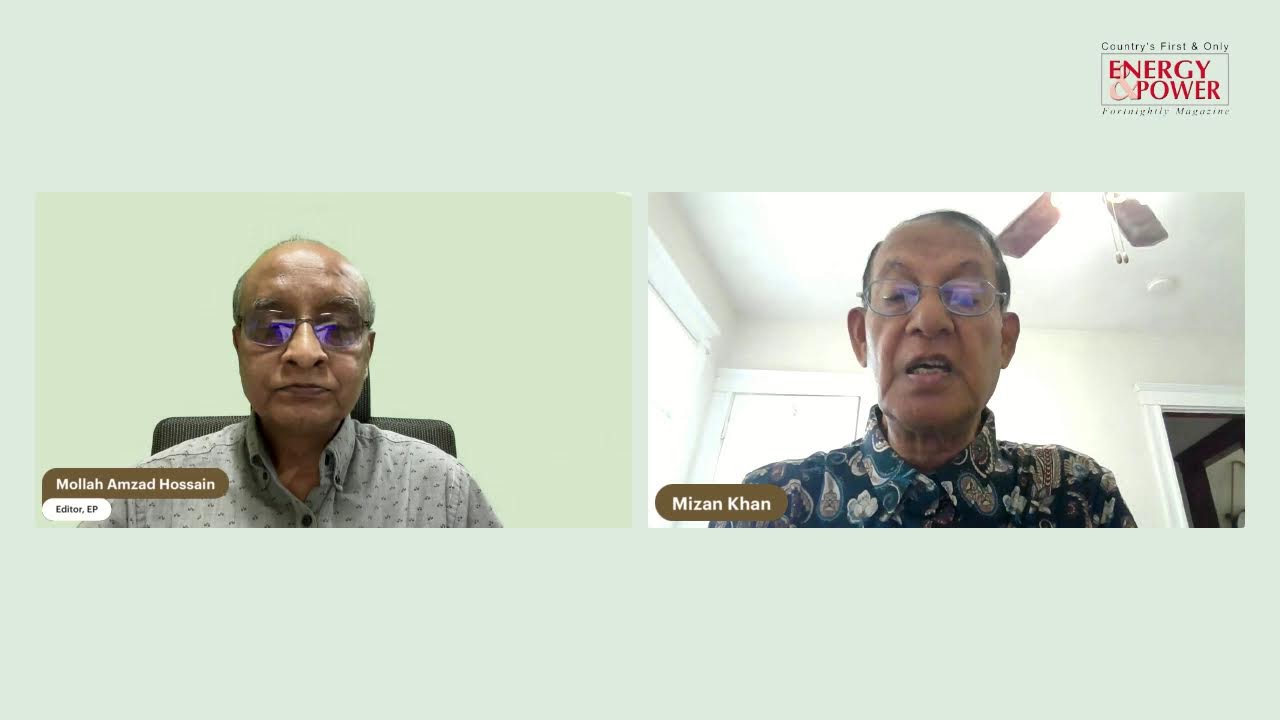
Bonn Climate Dialogue
Keywords
Summary
166 words
Critical Evaluation
Value of the Information & Strength of the Argument
The video provides valuable insights into the current state of climate finance negotiations from an expert directly involved in the process. Dr. Khan’s arguments are well-structured and based on his extensive experience. He effectively highlights the disconnect between developed and developing countries on key issues such as the definition of climate finance and the implementation of Article 9. His analysis of innovative financing mechanisms, such as solidarity levies, is thought-provoking and grounded in research. However, the discussion is largely qualitative and lacks specific data or references to support some claims, which slightly weakens the overall argumentation.
Scientific Rigor, Source Quality, Title Accuracy
The video is an expert opinion piece, and while Dr. Khan is a credible authority, he does not cite specific sources or provide references to support his statements. The title accurately reflects the content, which is a dialogue about the Bonn climate conference. The discussion is coherent and focused, but the lack of verifiable sources limits the scientific rigor. No comments were provided for analysis.
176 words
Title / Content Match
The title 'Bonn Climate Dialogue' accurately reflects the content, which is a dialogue about the Bonn climate negotiations.
Quality & Reliability
7/10
The video features Dr. Mizan R. Khan, a climate scientist and technical lead of the LDC University Consortium on Climate Change, providing expert analysis on climate finance negotiations. The information is based on his direct involvement and observations, but lacks detailed citations or verifiable data. The discussion is qualitative and reflects personal assessment, which is typical for expert commentary.
Key Moments
Markers derived by PSI from the transcript: the creator did not define chapters.
- Introduction of the episode and guest Dr. Mizan R. Khan.
- Discussion on the Bonn Climate Change Conference (SB64) agenda items.
- Dr. Khan's assessment of the current state of climate finance and geopolitical challenges.
- Analysis of the new work programme on Article 9 and the definition of climate finance.
- Impact of the Middle East conflict on energy prices and vulnerable countries like Bangladesh.
- Discussion on Article 6 carbon trading and its potential for adaptation finance.
- Dr. Khan's views on innovative financing mechanisms, including solidarity levies.
- Emphasis on the polluter pays principle and the need for public finance leadership.
- Conclusion and call for civil society pressure on governments.
Cited Sources
- LDC University Consortium on Climate Change (LUCCC) — Dr. Khan is the Technical Lead of this consortium, which is mentioned in the video description.
Concurring Sources
- UNFCCC Standing Committee on Finance — The SCF is mentioned in the video as working on the definition of climate finance.
Contribution & Novelties
The video offers an expert perspective on the Bonn Climate Change Conference, focusing on climate finance negotiations. Dr. Khan provides unique insights into the challenges faced by LDCs and the potential of innovative financing mechanisms. The discussion highlights the lack of progress on key issues and the need for a paradigm shift in climate finance.
Pour aller plus loin :
- Paris Agreement Article 9 — Official text of Article 9 on climate finance.
- Standing Committee on Finance — Information on the SCF’s role in defining climate finance.
- Solidarity Levy on Air Travel — Concept of a levy on air tickets to fund development and climate action.
106 words
Radar Profile
The radar profile shows a balanced performance across all dimensions, with slightly higher scores in information quantity and quality, reflecting the expert's detailed analysis. The technical level is moderate, suitable for a general audience interested in climate policy.