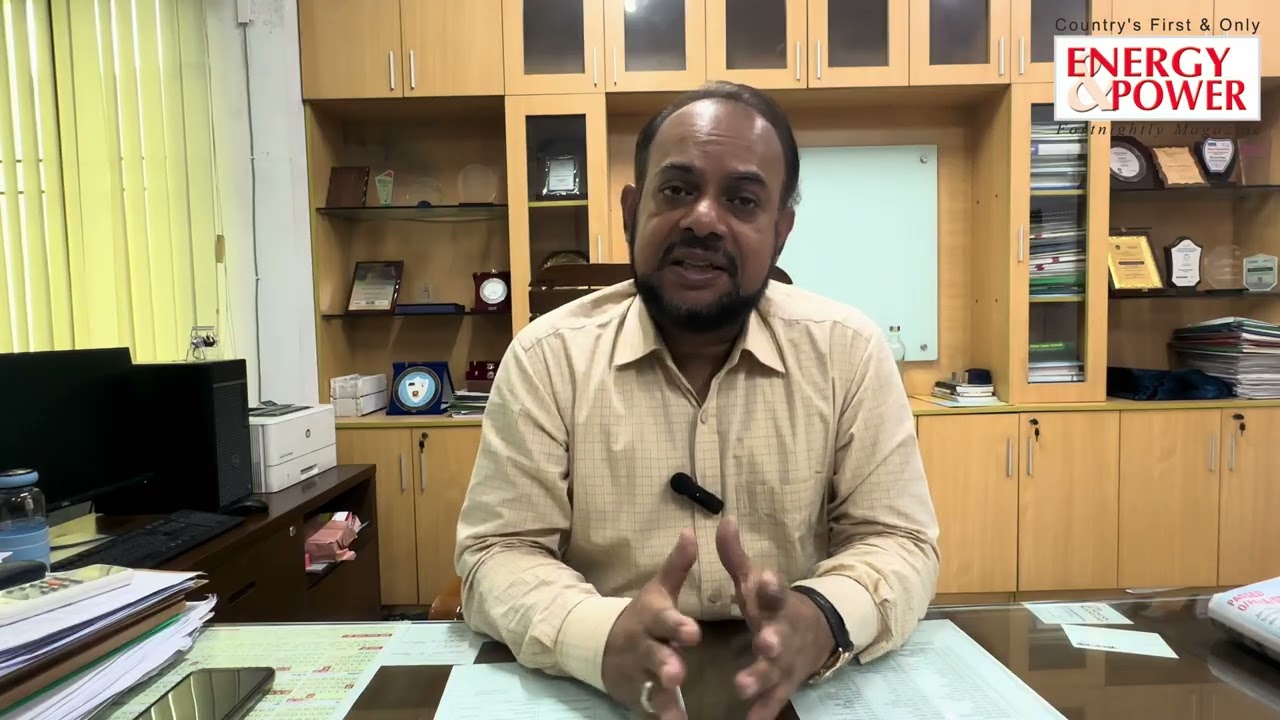
Savar's Brick Kilns Shut Down for Cleaner Air | Ziaul Haque
Keywords
Summary
195 words
Critical Evaluation
Value of the Information & Strength of the Argument
The interview provides valuable insights into a specific environmental policy initiative in Bangladesh, offering concrete data on air quality violations and the number of brick kilns. The argumentation is logical, linking the declaration to legal provisions and explaining the rationale for focusing on Savar due to its manageable number of pollution sources. However, the discussion is largely descriptive and lacks critical evaluation of potential challenges or alternative solutions. The official’s optimism is not backed by detailed implementation plans or evidence of past successes.
Scientific Rigor, Source Quality, Title Accuracy
The interviewee is a credible government official, lending authority to the information. The content references the Air Pollution Control Rules 2022, which is a verifiable legal document. However, no external sources or studies are cited, and the data presented (e.g., 160 days, 107 kilns) is not independently verified. The title accurately reflects the content, focusing on the brick kiln shutdown. The interview is a primary source, but its scientific rigor is limited by the lack of peer-reviewed references and the anecdotal nature of the discussion.
183 words
Title / Content Match
The title accurately reflects the content, which focuses on the shutdown of brick kilns in Savar to improve air quality.
Quality & Reliability
7/10
The interview features a senior government official (Director, Air Quality Management, DoE) providing specific data (e.g., 107 brick kilns, 160 days exceeding standards) and referencing the Air Pollution Control Rules 2022. However, the information is largely anecdotal and lacks independent verification or detailed technical analysis.
Key Moments
Markers derived by PSI from the transcript: the creator did not define chapters.
- Introduction of Ziaul Haque and the topic of Savar's degraded airshed declaration.
- Haque confirms this is the first degraded airshed declaration in Bangladesh and possibly Asia.
- Explanation of the legal basis under the Air Pollution Control Rules 2022.
- Data on air quality: over 160 days exceeding standards, annual average near 90 vs. standard 35.
- Identification of brick kilns as the main pollution source, with 107 kilns in Savar.
- Details of restrictions: all kilns to close from September 1, ban on open waste burning, no new polluting industries.
- Discussion of implementation committee and enforcement measures.
- Potential future declarations in other areas like Narayanganj.
Cited Sources
- Air Pollution Control Rules 2022 (Bangladesh) — Referenced as the legal basis for declaring degraded airsheds.
Concurring Sources
- World Health Organization - Ambient Air Pollution — Provides global standards and health impacts of air pollution, supporting the importance of the initiative.
Contribution & Novelties
This interview provides a first-hand account of a novel environmental policy initiative in Bangladesh – the declaration of a degraded airshed. It offers specific data and insights into the government’s strategy to combat air pollution, particularly the focus on brick kilns. The discussion highlights the legal framework and enforcement plans, contributing to the understanding of environmental governance in developing countries.
Pour aller plus loin :
- Air Quality Guidelines - WHO — Relevant for understanding international air quality standards.
- Brick Kilns and Air Pollution - UNEP — Provides context on brick kiln emissions and mitigation.
- Air Pollution Control Rules 2022 - Bangladesh Gazette — Official legal document (URL uncertain, but likely accessible via DoE website).
114 words
Radar Profile
The radar profile shows moderate scores across all dimensions, with slightly higher scores in quantity of information and reliability, reflecting the official's expertise and specific data. The lower score in technical level indicates a non-technical discussion, suitable for a general audience.