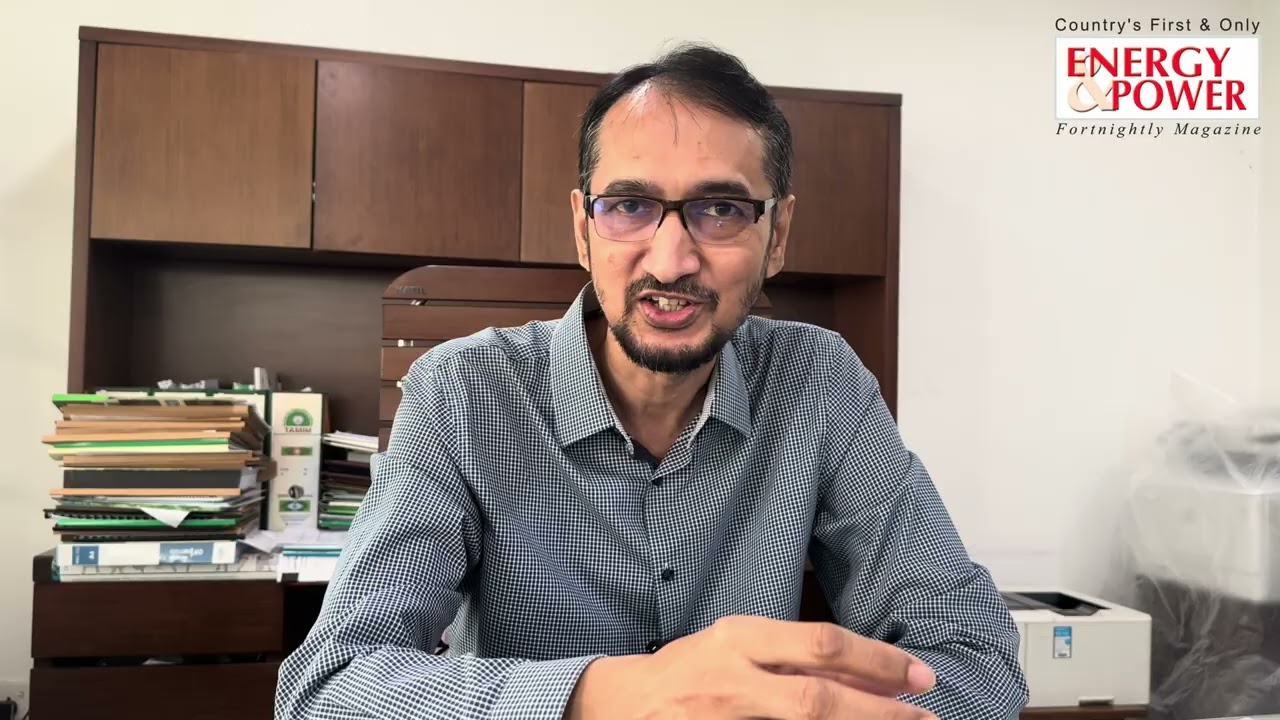
Bangladesh’s NDC Progress: Own Investment Cuts Emissions by Nearly 9%, Exceeding Target
Keywords
Summary
199 words
Critical Evaluation
Value of the Information & Strength of the Argument
The video provides valuable insights into Bangladesh’s NDC implementation, offering specific numbers on emission reductions and the challenges of climate finance. The argumentation is coherent, with the expert clearly explaining the difference between unconditional and conditional contributions. However, the discussion is largely based on personal assessment rather than detailed data or scientific studies, limiting its depth. The expert’s perspective is credible given his position, but the lack of concrete evidence or references weakens the overall argumentation.
Scientific Rigor, Source Quality, Title Accuracy
The scientific rigor is moderate. The expert cites IPCC guidelines and mentions the Paris Agreement, but no specific sources are provided. The title accurately reflects the content, focusing on Bangladesh’s progress. The video does not include any external references or links in the description, so the sources cited are limited to the expert’s statements. The discussion is more of an expert opinion than a rigorous scientific analysis.
158 words
Title / Content Match
The title accurately reflects the content, focusing on Bangladesh's NDC progress and the achievement of nearly 9% emission reduction through own investment.
Quality & Reliability
6/10
The video features an expert from Bangladesh's Department of Environment discussing NDC progress. It provides specific figures (6.73% unconditional reduction, 9% achieved) but lacks detailed data sources or verifiable references. The discussion is largely qualitative and based on the expert's perspective.
Key Moments
Markers derived by PSI from the transcript: the creator did not define chapters.
- Introduction of the topic and the expert, Shawkat Ali Mirza.
- Discussion on the first two NDCs submitted by Bangladesh.
- Explanation of the progress on unconditional contributions, achieving nearly 9% reduction.
- Challenges in conditional contributions due to lack of international funding.
- Plans for the third NDC, including market mechanisms and carbon trading.
- Discussion on global emission reduction efforts and the role of developed countries.
- Concerns about climate finance and the need for self-reliance.
Contribution & Novelties
The video provides an insider perspective on Bangladesh’s NDC process, highlighting the gap between unconditional and conditional contributions. It offers specific figures on emission reductions and discusses the challenges of climate finance. The expert’s emphasis on self-reliance and the potential use of carbon trading under Article 6 is noteworthy.
Pour aller plus loin :
- Nationally Determined Contributions (NDCs) — Official UNFCCC page explaining NDCs.
- Paris Agreement — Overview of the Paris Agreement.
- IPCC Guidelines for National Greenhouse Gas Inventories — The 2006 IPCC Guidelines referenced in the video.
88 words
Radar Profile
The radar profile shows moderate scores across all dimensions, indicating a balanced but not highly detailed or rigorous content. The video offers some specific data but lacks depth in technical analysis and source citation.