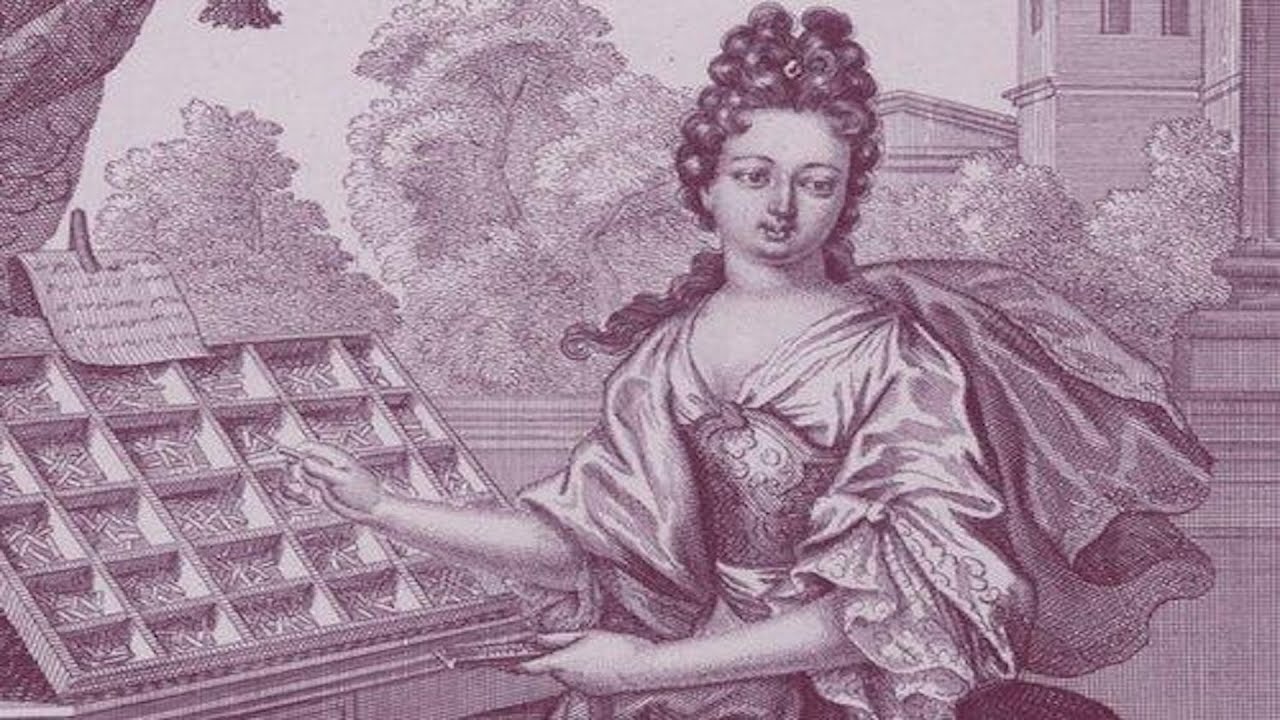
Conférence spectacle | Publier quand on est une femme aux XVIe et XVIIe siècles
Keywords
Summary
165 words
Critical Evaluation
Value of the Information & Strength of the Argument
The value of the information is high, as it presents original research on a relatively understudied topic. The argumentation is solid, grounded in primary sources such as letters, prefaces, and archival documents. The theatrical format effectively brings the historical texts to life, making the research accessible while maintaining academic rigor. The speakers clearly explain the concept of agency and apply it to the historical context, avoiding anachronistic interpretations. The examples are well-chosen and illustrate the diversity of women’s roles, from authors to editors to patrons. The argument is coherent and persuasive, demonstrating that women were active agents in the publishing world despite significant obstacles.
Scientific Rigor, Source Quality, Title Accuracy
The scientific rigor is evident in the careful citation of primary sources, including the works of Louise Labé, Marguerite de Cambis, and the Des Roches. The presentation also references archival documents, such as the journal of Félix Platter, to support the narrative. The sources are credible and relevant to the topic. The title accurately reflects the content, which focuses on women’s publishing activities in the 16th and 17th centuries. The presentation is well-structured, moving from general concepts to specific case studies, and it maintains a clear focus throughout. The theatrical elements enhance the presentation without detracting from its scholarly value.
219 words
Title / Content Match
The title accurately reflects the content, which focuses on women's roles in publishing during the 16th and 17th centuries.
Quality & Reliability
8/10
The content is based on academic research presented by university researchers, with references to primary sources and archival documents. The theatrical format adds an engaging element but does not compromise the scientific rigor.
Key Moments
Markers derived by PSI from the transcript: the creator did not define chapters.
- Introduction by Benoît Aucler, vice-president of culture, welcoming the audience and introducing the conference-spectacle.
- Presentation of the research topic: women's involvement in publishing in the 16th and 17th centuries, focusing on paratexts.
- Reading and analysis of Louise Labé's dedication to Clémence de Bourge, highlighting her feminist manifesto.
- Discussion of Marguerite de Cambis, a translator, and her argument for transmitting knowledge to women.
- Exploration of mother-daughter collaborations, such as Madeleine Neveu and Catherine Des Roches, and their choice of a maternal surname.
- Case study of Sévère de Lal, a widow who fought to publish her husband's manuscript, involving multiple obstacles.
- Discussion of Madame Ulrich, author of the first comedy by a woman at the Comédie-Française, and her struggles with authorship.
- Analysis of the role of widows in publishing, including the example of Madame de Baumont.
- Conclusion summarizing the various forms of women's agency in publishing and the importance of networks and alliances.
Cited Sources
- Louise Labé, Œuvres — Read and analyzed in the presentation, particularly the dedication to Clémence de Bourge.
- Marguerite de Cambis, Traduction de l'épître consolatoire de Boccace — Her dedication to her father is quoted and discussed.
- Madeleine Neveu and Catherine Des Roches, Les Œuvres de Mesdames des Roches — Their collaborative works are mentioned as examples of mother-daughter publishing.
- Antoinette Deshoulières, Poésies — Her daughter's preface is quoted to illustrate the transmission of literary legacy.
- Jean Falcon, Commentaires sur un manuel de chirurgie — The story of its posthumous publication by his widow Sévère de Lal is recounted.
Concurring Sources
- Louise Labé, Œuvres — Her dedication is a primary source that supports the argument about women's agency.
- Marguerite de Cambis, Traduction — Her dedication provides evidence of women's roles as translators.
- Des Roches, Les Œuvres — Their collaborative works illustrate mother-daughter publishing.
Contribution & Novelties
This presentation offers a fresh perspective on women’s roles in early modern publishing by focusing on their agency and strategic actions. It brings together a diverse range of examples, from well-known figures like Louise Labé to lesser-known ones like Sévère de Lal, and highlights the importance of networks and alliances among women. The theatrical format makes the research engaging and accessible to a wider audience.
Pour aller plus loin :
- Women’s literary history in early modern France — Provides context on women writers in France.
- Paratext — Explains the concept of paratext, which is central to the analysis.
- Agency (sociology) — Discusses the concept of agency used in the presentation.
110 words
Radar Profile
The radar profile shows high scores in information quantity and quality, reflecting the rich content and scholarly depth. The technical level is moderate, indicating that the presentation is accessible to a general audience while still being informative. The overall reliability is high, supported by the use of primary sources and academic research.