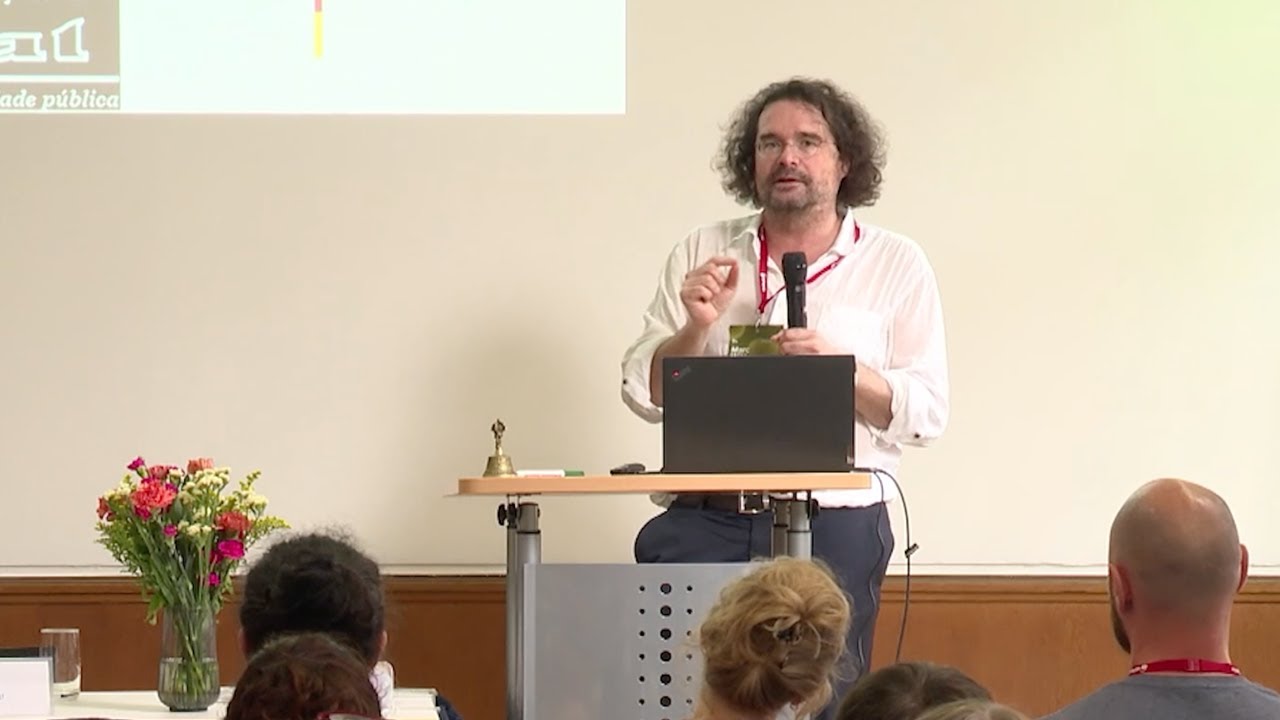
Subjective Time and Body-Self During Altered States of Consciousness: New Evidence
Keywords
Summary
172 words
Critical Evaluation
Value of the Information & Strength of the Argument
The talk provides valuable insights into the psychological mechanisms underlying altered states of consciousness, specifically focusing on the modulation of time and body-self perception. The argumentation is well-structured, moving from basic neuroscience to applied studies. The speaker presents a coherent theoretical framework linking interoception, time perception, and self-awareness, supported by empirical evidence from multiple studies. The use of meta-analyses and published research strengthens the credibility. However, some claims, such as the therapeutic potential of ASC, are presented as promising but not definitively proven, and the speaker acknowledges the need for further research.
101 words
Title / Content Match
The title accurately reflects the content, which focuses on how altered states of consciousness affect subjective time and body-self perception.
Quality & Reliability
8/10
The talk is based on peer-reviewed studies, including meta-analyses and the speaker's own published research. The speaker is an established researcher in the field. However, the presentation format (conference talk) limits the depth of methodological detail, and some claims rely on anecdotal evidence.
Key Moments
Markers derived by PSI from the transcript: the creator did not define chapters.
- Introduction to the talk and the link between time perception and body-self.
- Discussion of the insula cortex and its role in time perception and interoception.
- Presentation of the VR gaming study on flow states and time distortion.
- Ganzfeld study: effects of red vs. green visual fields on time perception and arousal.
- Meditation study: experienced meditators show reduced body boundaries and faster time passage.
- Floatation-REST study: stronger ASC markers, reduced body boundaries, and decreased anxiety.
- Conclusion: modulation of self and time as potential healing mechanism in ASC.
Cited Sources
- INSIGHT 2023 Replays — Promotional link for the conference replays, mentioned at the end of the talk.
Concurring Sources
- Meta-analysis of fMRI studies on time perception — Referenced in the talk as evidence for the insula and SMA as key regions for time perception.
Contribution & Novelties
The talk synthesizes recent research on how various non-pharmacological methods (VR, Ganzfeld, meditation, floatation-REST) alter time and body-self perception, providing a mechanistic perspective. It highlights the potential therapeutic implications for psychiatric disorders characterized by heightened self and time awareness. The speaker also presents new data from a floatation-REST study showing anxiety reduction via reduced body boundaries.
Pour aller plus loin :
- Interoception — Central to the talk’s framework linking body signals to time perception.
- Altered state of consciousness — Provides background on the concept and induction methods.
- Flow (psychology) — Relevant to the VR gaming study and the concept of flow states.
- Insular cortex — Key brain region discussed in relation to time perception and interoception.
- Floatation tank — Background on the floatation-REST method used in the study.
128 words
Radar Profile
The radar profile shows high scores in information quantity, quality, and reliability, with a slightly lower technical level, indicating a well-balanced presentation accessible to a broad scientific audience.