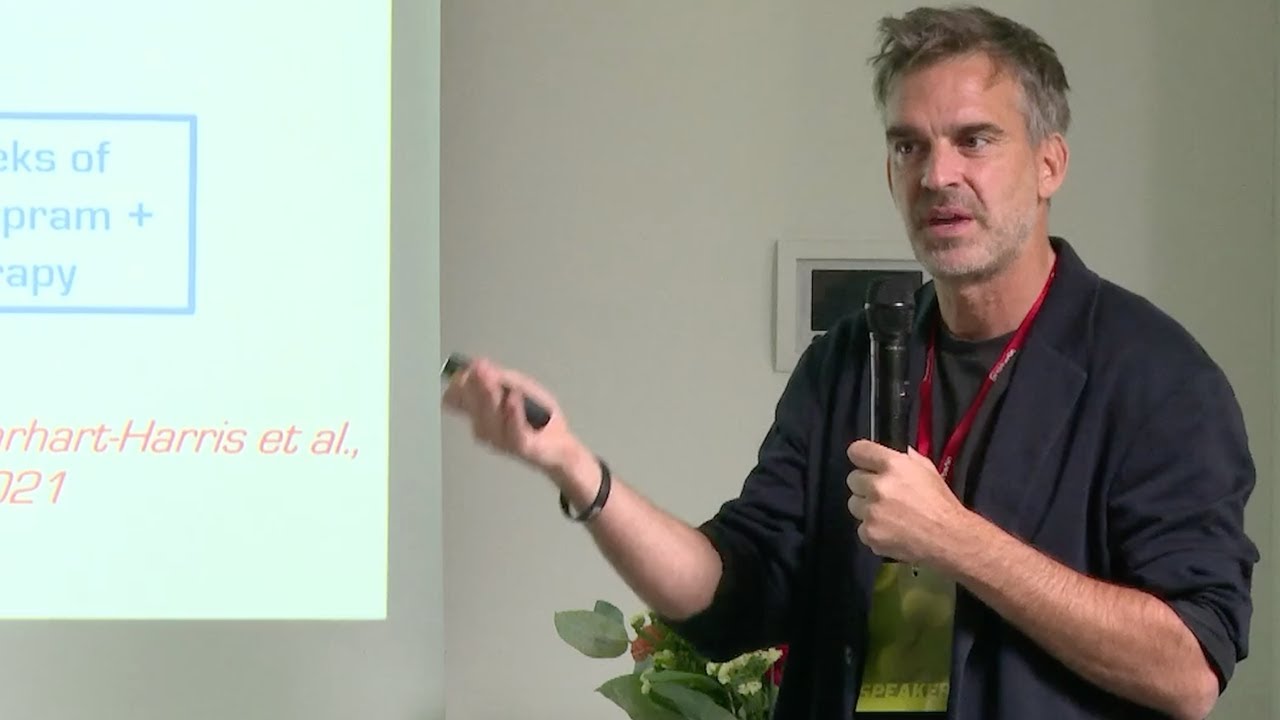
Psilocybin and DMT for Depression
Keywords
Summary
90 words
Critical Evaluation
Value of the Information & Strength of the Argument
The talk provides valuable insights into the efficacy and mechanisms of psychedelics for depression, drawing on multiple clinical trials and imaging data. The argumentation is solid, with clear presentation of results and acknowledgment of limitations. The speaker critically evaluates evidence, such as the microdosing literature, and discusses discrepancies between studies. The value is high for clinicians and researchers, offering a comprehensive overview of current evidence.
Scientific Rigor, Source Quality, Title Accuracy
The talk demonstrates scientific rigor, with references to published trials and ongoing research. The speaker is transparent about unpublished data and limitations. The title accurately reflects the content. The presentation is well-structured, and the speaker appropriately caveats findings. The quality of sources is high, with reliance on peer-reviewed studies and collaboration with regulatory bodies.
134 words
Title / Content Match
The title accurately reflects the content, which focuses on clinical and mechanistic insights into psilocybin and DMT for depression.
Quality & Reliability
8/10
The talk is given by a leading researcher in psychedelic science, presenting data from clinical trials and imaging studies. The content is grounded in peer-reviewed research, though some data are preliminary and unpublished. The speaker is transparent about limitations and discrepancies.
Key Moments
Markers derived by PSI from the transcript: the creator did not define chapters.
- Introduction and rationale for studying psychedelics in depression
- Imperial College open-label psilocybin pilot study results
- Psilocybin vs. escitalopram trial design and results
- Psychological factors: rumination, experiential avoidance, emotionality
- DMT trial by Small Pharma: design and outcomes
- Acute experience and therapeutic outcome relationship
- Mechanistic insights: brain modularity and emotional processing
- Microdosing evidence and expectancy effects
Cited Sources
- INSIGHT 2023 Replays — Mentioned as a resource for full conference recordings.
Concurring Sources
- Psilocybin for treatment-resistant depression: fMRI-measured brain mechanisms — Supports the finding of decreased modularity and increased global connectivity after psilocybin.
- Effects of psilocybin therapy on personality structure — Supports increased openness after psychedelic experiences.
Dissenting Sources
- Compass Pathways trial results — The speaker notes that Compass did not see the same effects on some measures, indicating discrepancies in outcomes.
Contribution & Novelties
This talk provides a comprehensive update on clinical trials and mechanistic research on psilocybin and DMT for depression, including unpublished data and critical evaluation of microdosing evidence. It highlights the importance of psychological factors and brain connectivity changes.
Pour aller plus loin :
- Psilocybin for treatment-resistant depression: fMRI-measured brain mechanisms — Key study on brain mechanisms.
- DMT and depression: clinical trial results — Company conducting DMT trials.
- Microdosing psychedelics: a systematic review — Review of microdosing evidence.
77 words
Radar Profile
The radar profile shows high scores in information quantity, quality, and reliability, with a moderate technical level. This indicates a well-balanced presentation suitable for a professional audience, with strong scientific grounding.