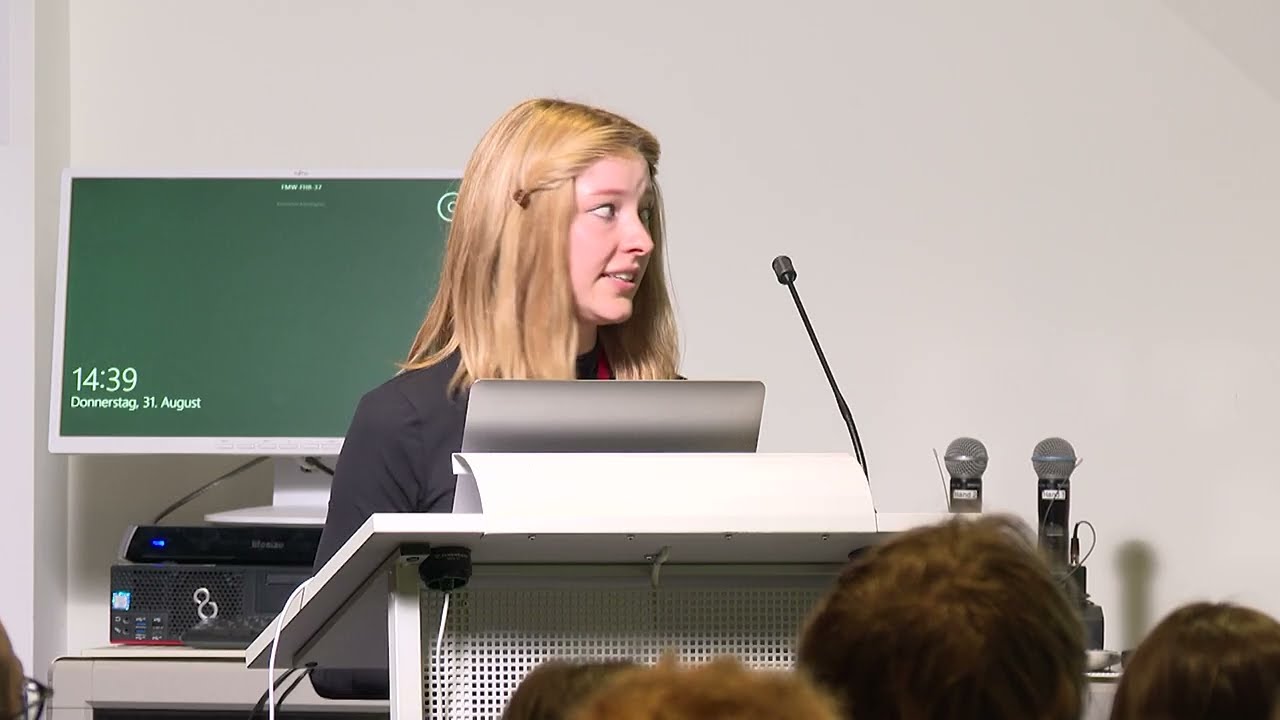
Can Psychedelic-Induced Hallucinations Inform Us of Psychotic States?
Keywords
Summary
210 words
Critical Evaluation
Value of the Information & Strength of the Argument
The talk provides a valuable synthesis of current research on psychedelics and psychosis, highlighting both phenomenological and neurobiological parallels. The argumentation is structured and evidence-based, referencing specific studies and models. The speaker effectively communicates complex concepts, such as the thalamic filter model, and acknowledges limitations, such as the rarity of LSD-induced psychosis. The discussion of state versus trait markers adds depth, and the conclusion that psychedelics can serve as models for psychosis is well-supported. However, the talk is an expert opinion rather than a systematic review, and some claims could benefit from more detailed citations.
Scientific Rigor, Source Quality, Title Accuracy
The talk demonstrates scientific rigor by referencing peer-reviewed studies and clinical cases. The sources mentioned include the DSM-5, a study by Robin Carhart-Harris, and a case report on ketanserin. The title accurately reflects the content, which explores the potential of psychedelic research to inform understanding of psychotic states. The speaker does not overstate conclusions and acknowledges the complexity of the topic. The Q&A session further clarifies points and addresses audience questions, indicating a thorough understanding of the subject.
188 words
Title / Content Match
The title accurately reflects the content, which explores the potential of psychedelic research to inform understanding of psychotic states.
Quality & Reliability
7/10
The talk is based on scientific literature and presents a balanced comparison, but it is an expert opinion without systematic review or original data.
Key Moments
Markers derived by PSI from the transcript: the creator did not define chapters.
- Introduction and overview of the talk
- Definition of hallucinations and phenomenological differences
- Comparison of drugs in modeling psychiatric symptoms
- Molecular targets and case report on ketanserin
- Neuronal communication: hyperconnectivity vs. synaptic pruning
- Thalamic filter model and sensory overload
- State vs. trait markers in psychosis
- Conclusion and implications for understanding psychosis
- Q&A: risk of triggering psychosis and chronic amphetamine models
- Q&A: therapeutic potential and training to handle hallucinations
Cited Sources
- DSM-5 — Definition of hallucinations
- Carhart-Harris et al. (2016) - LSD and psychosis modeling — Comparison of drugs in modeling psychiatric symptoms
- Case report on ketanserin — Treatment of hallucinations with 5-HT2A antagonist
Concurring Sources
- Carhart-Harris et al. (2016) - LSD and psychosis modeling — Supports the idea that LSD models positive symptoms of psychosis.
- Vollenweider & Geyer (2001) - Serotonergic modulation of psychosis — Discusses the role of serotonin in psychedelic and psychotic states.
Dissenting Sources
- Some studies suggest no direct link between psychedelic use and psychosis — While LSD can induce psychosis in predisposed individuals, most users do not develop psychotic disorders, indicating a complex relationship.
Contribution & Novelties
The talk provides a comprehensive comparison of psychedelic and psychotic states, integrating phenomenological, pharmacological, and neurobiological perspectives. It highlights the potential of psychedelic research to inform the understanding and treatment of psychosis, while carefully distinguishing between state and trait markers. The discussion of the thalamic filter model offers a mechanistic framework for future research.
Pour aller plus loin :
- Thalamic filter model — Overview of thalamic function and its role in sensory gating.
- 5-HT2A receptor — Key receptor targeted by psychedelics and antipsychotics.
- Synaptic pruning — Process implicated in schizophrenia and neurodevelopment.
92 words
Radar Profile
The radar profile shows a balanced performance across all dimensions, with slightly higher scores in quality of information and technical level, reflecting the scientific depth of the talk. The lower score in quantity of information suggests that the talk could have covered more ground, but overall it is a solid presentation.
💬 No comments were provided for analysis.