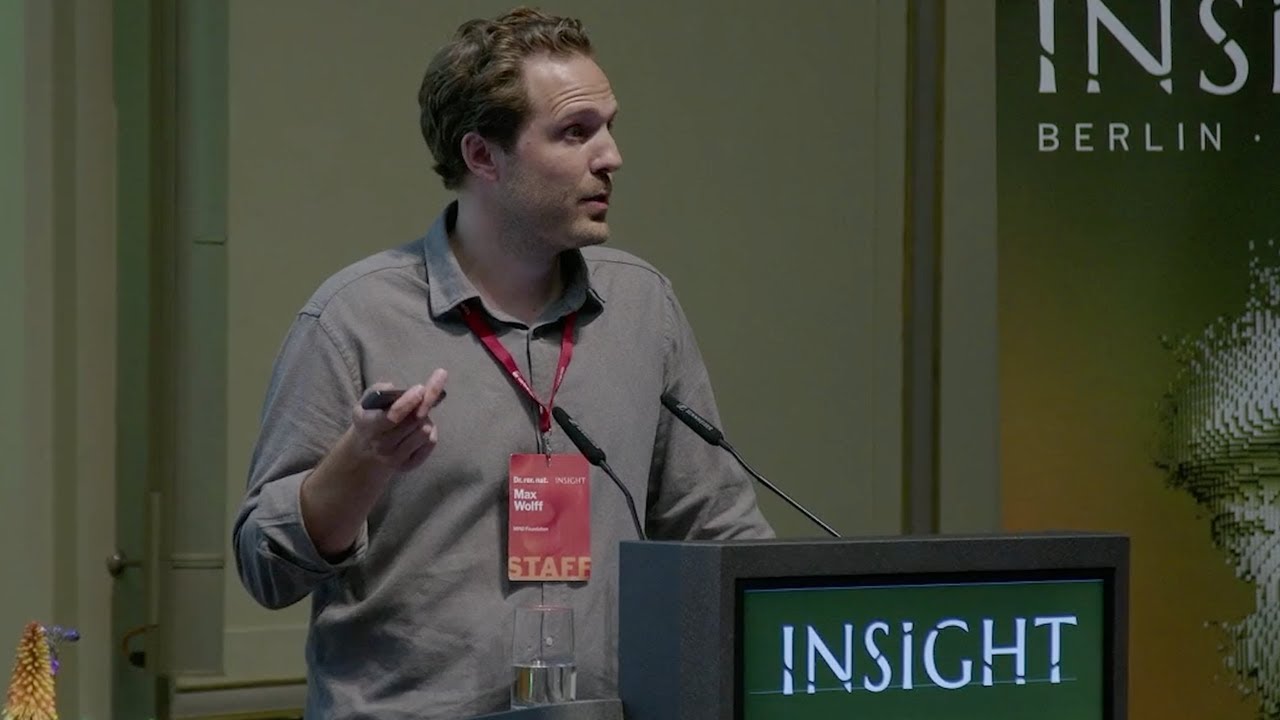
Measuring Psychotherapeutic Processes in the Context of Psychedelic Experiences
Keywords
Summary
169 words
Critical Evaluation
Value of the Information & Strength of the Argument
The talk provides valuable insights by bridging psychotherapy research and psychedelic science. The argumentation is solid: the speaker grounds the work in established theory (Grawe’s GCMs) and uses a large sample to validate a new instrument. The correlations with other constructs are interpreted theoretically, and the speaker acknowledges limitations, avoiding overstatement. The potential resilience effect is presented cautiously, with a clear call for prospective studies. The practical implications for therapy (e.g., setting design, intention setting) are well-reasoned and grounded in psychotherapy principles.
Scientific Rigor, Source Quality, Title Accuracy
The scientific rigor is high: the study uses validated measures, reports factor analysis, and discusses model fit. The speaker cites Klaus Grawe’s framework and mentions other researchers (e.g., Ellen Davis) but does not provide specific citations in the talk. The title accurately reflects the content. The description includes a link to the INSIGHT 2023 Replays bundle, which is a commercial product but not directly a source for the research. No comments were provided for analysis.
172 words
Title / Content Match
The title accurately reflects the content: the talk focuses on measuring psychotherapeutic processes (via the GCMQ) in the context of psychedelic experiences.
Quality & Reliability
8/10
The talk presents original research with a large sample (N=1,867) and uses validated psychometric instruments. The speaker acknowledges limitations (retrospective, cross-sectional, nonclinical sample) and avoids causal claims. The methodology is transparent, and the results are interpreted cautiously.
Key Moments
Markers derived by PSI from the transcript: the creator did not define chapters.
- Introduction by session chair and start of talk
- Introduction to General Change Mechanisms (GCMs) and Klaus Grawe's framework
- Rationale for developing a new questionnaire (GCMQ) for psychedelic contexts
- Description of study design and sample (N=1,867)
- Presentation of GCMQ items for resource activation and problem actuation
- Correlations between GCM factors and other psychedelic constructs (e.g., emotional breakthrough)
- Associations with intentions and settings (therapeutic, nature, festival)
- Interaction effects with stressful life events and well-being, suggesting resilience
- Summary and limitations of the study
- Q&A session: discussion on insights, festival settings, and factor separation
Cited Sources
- INSIGHT 2023 Replays — Description link to purchase full conference recordings
Concurring Sources
- General Change Mechanisms Questionnaire (GCMQ) - initial validation — The study presented in the talk is the primary source; no external concordant sources were cited.
Dissenting Sources
- No discordant sources — No conflicting sources were mentioned in the talk.
Contribution & Novelties
The talk introduces the GCMQ, a novel instrument for assessing psychotherapeutic processes in psychedelic contexts, addressing a gap in the field. It provides initial validation data from a large naturalistic sample, showing that GCMs are measurable and relevant outside formal therapy. The findings suggest potential resilience effects of resource activation, offering a new avenue for research. The emphasis on integrating psychotherapy research into psychedelic science is a valuable contribution.
Pour aller plus loin :
- Klaus Grawe’s General Change Mechanisms — Overview of the theoretical framework.
- Psychedelic therapy — Context for the application of GCMs.
- Mystical-type experiences — Contrast with the GCM approach.
102 words
Radar Profile
The radar profile shows high scores in quantity and quality of information, with a moderate level of technicality. The overall reliability is strong, reflecting the rigorous methodology and cautious interpretation. The talk is well-balanced, with a slight emphasis on empirical validation over theoretical depth.