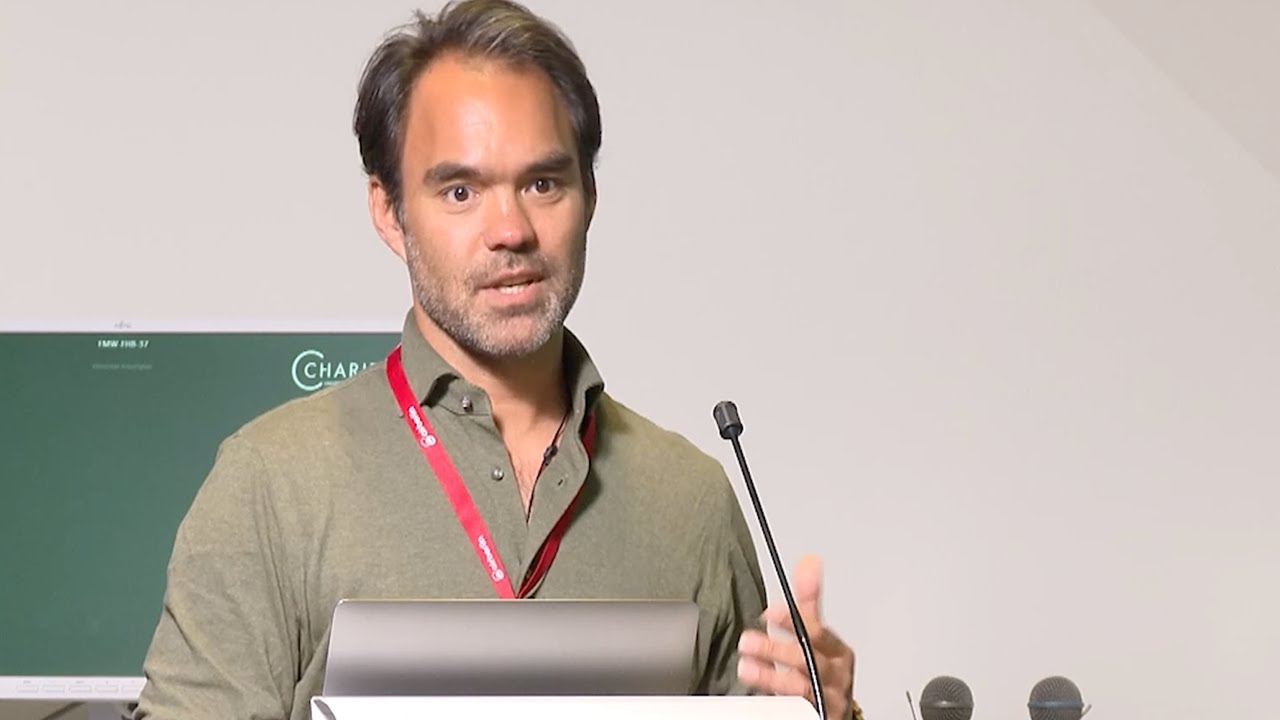
Multi-Sensory Reality pods for psychedelic experiences, therapeutic onboarding, and guidance
Keywords
Summary
192 words
Critical Evaluation
Value of the Information & Strength of the Argument
The talk provides valuable insights into the design and potential applications of multi-sensory reality pods, particularly in therapeutic settings. The speaker’s personal experiences with psychedelics add a subjective perspective that may resonate with audiences interested in altered states of consciousness. However, the argumentation relies heavily on anecdotal evidence and personal beliefs rather than empirical data. The speaker makes broad claims about the brain’s response to multi-sensory stimulation and the potential to ‘reprogram’ emotional memories, but these are not substantiated with scientific references or detailed explanations. The presentation is more of an entrepreneurial pitch than a rigorous scientific discourse, and the lack of critical evaluation of the technology’s efficacy or risks weakens the overall argument.
Scientific Rigor, Source Quality, Title Accuracy
The talk lacks rigorous scientific sourcing. The speaker mentions collaborations with universities and research institutions, but no specific studies or publications are cited. The title accurately reflects the content, which focuses on the pods’ use in psychedelic and therapeutic contexts. However, the scientific rigor is low due to the absence of verifiable sources and the reliance on personal testimony. The speaker’s claims about the technology’s effects are not supported by peer-reviewed evidence, and the presentation does not address potential limitations or adverse effects in a balanced manner.
216 words
Title / Content Match
The title accurately reflects the content, which focuses on multi-sensory reality pods for psychedelic experiences and therapeutic applications.
Quality & Reliability
5/10
The talk is a personal account and product presentation by an entrepreneur, not a scientific study. It includes anecdotal evidence, personal psychedelic experiences, and mentions of collaborations with researchers, but lacks rigorous data, methodology, or peer-reviewed references. The scientific claims are presented without supporting evidence, and the speaker explicitly states he is not a scientist.
Key Moments
Markers derived by PSI from the transcript: the creator did not define chapters.
- Introduction of Fred Galstaun and Sensix
- Description of the multi-sensory pod and its features
- Personal story of LSD bad trip and later ayahuasca experiences
- Explanation of the Bob Ross effect and emotional memory
- Research collaborations and clinical trials
- Applications for trauma, addiction, and pain management
- Q&A session on taste stimulation, safety, and pricing
Contribution & Novelties
The talk introduces a novel technology platform for multi-sensory immersive experiences, with potential applications in psychedelic therapy and mental health. The speaker’s personal narrative adds a unique perspective on the intersection of technology and altered states of consciousness. However, the scientific novelty is limited by the lack of empirical evidence and the reliance on anecdotal reports.
Pour aller plus loin :
- Virtual reality therapy — Overview of VR applications in mental health.
- Psychedelic therapy — Background on the therapeutic use of psychedelics.
- Emotional memory — Scientific basis for emotional memory processing.
- Set and setting — Concept relevant to psychedelic experiences.
100 words
Radar Profile
The radar profile shows moderate scores across all dimensions, with slightly higher scores in information quantity and technical level, but lower in information quality and reliability. This reflects a presentation that is informative but lacks scientific rigor and evidence-based support.