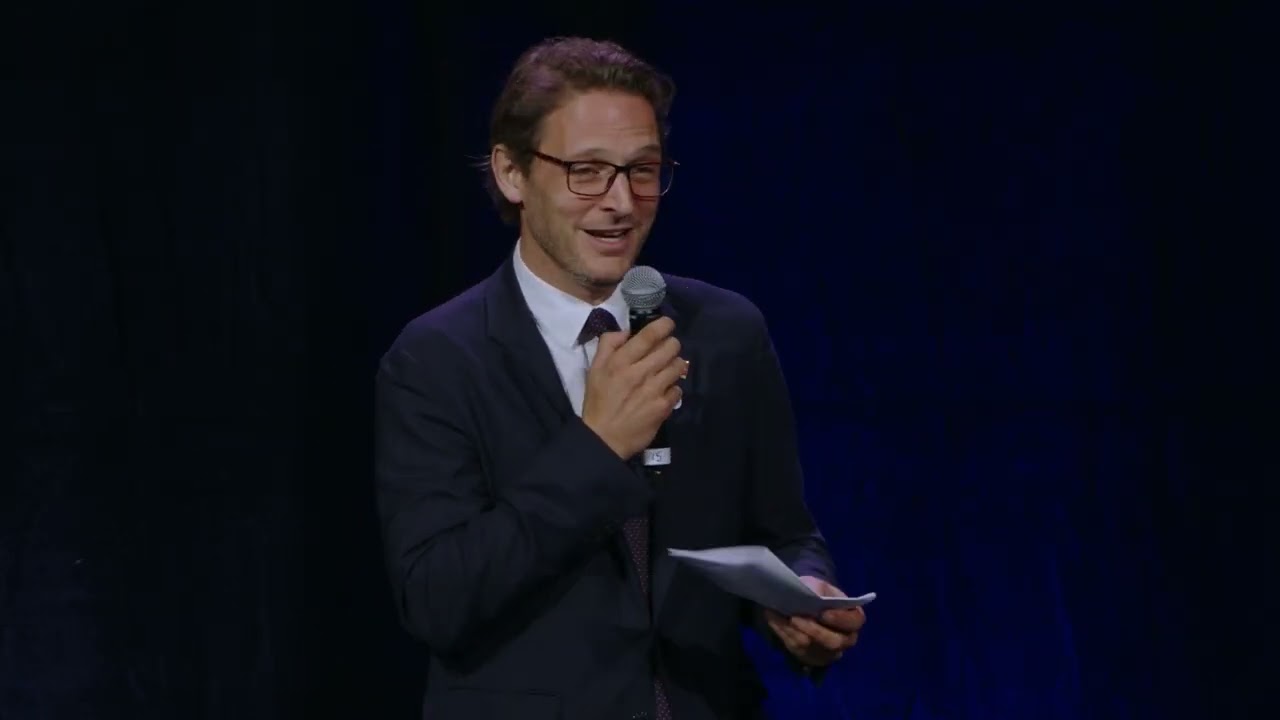
Buildings as active players in the energy transition
Keywords
Summary
182 words
Critical Evaluation
Value of the Information & Strength of the Argument
The video provides valuable insights from high-level experts on the importance of buildings in the energy transition. The argumentation is solid, grounded in IEA data and policy examples. The speakers effectively make the case for grid-interactive buildings, highlighting both environmental and economic benefits. The discussion is well-structured, with clear messages about electrification, affordability, and flexibility. However, the content is largely opinion and policy-oriented, with limited technical depth. The value lies in the authoritative perspectives and the emphasis on policy integration and user acceptance.
Scientific Rigor, Source Quality, Title Accuracy
The scientific rigor is high, given the involvement of the IEA and other reputable organizations. The speakers reference specific data points, such as electrification rates and flexibility growth projections, though not all are cited with precise sources. The title accurately reflects the content. The session is well-organized, with clear framing and panel discussions. The sources cited are primarily from the IEA and the World Green Building Council, which are credible. The adequacy between title and content is strong, as the video directly addresses the role of buildings in the energy transition.
189 words
Title / Content Match
The title accurately reflects the content, which focuses on the role of buildings in the energy transition, particularly their potential to become active participants in the energy system.
Quality & Reliability
8/10
The video features high-level experts from international organizations and government bodies, providing authoritative perspectives. The content is well-structured and grounded in IEA data and policy frameworks. However, it is primarily a discussion and opinion-sharing session rather than a peer-reviewed study, and specific data points are not always cited in detail.
Key Moments
Markers derived by PSI from the transcript: the creator did not define chapters.
- Introduction by moderator Alice Rosenberg, setting the stage for the session.
- Swiss Ambassador discusses the importance of stable regulation and user acceptance.
- Jerome Bill presents IEA data on electrification and the role of buildings.
- Christina Gamboa discusses policy landscape and the need for integrated building and energy policy.
- First panel begins with experts from China, Canada, and Energy Community.
- Panel discussion on national policies and market mechanisms.
- Discussion on demand response and flexibility.
- Panel concludes, with closing remarks from Jerome Bill.
Cited Sources
- IEA Event Page: Thematic Session - Buildings as Active Players in the Energy Transition — Official event page providing details about the session.
Concurring Sources
- IEA Report: Energy Efficiency 2023 — IEA report providing data on energy efficiency trends and the role of buildings.
Contribution & Novelties
The video contributes to the discourse on energy efficiency by highlighting the evolving role of buildings from passive consumers to active participants in the energy system. It emphasizes the need for policy integration and user engagement, which are often overlooked. The session provides a platform for international perspectives, showcasing different approaches in Switzerland, China, and other regions.
Pour aller plus loin :
- Grid-interactive efficient buildings — US DOE resource on GEBs.
- Demand response — Overview of demand response mechanisms.
- Virtual power plant — Concept of aggregating distributed energy resources.
89 words
Radar Profile
The radar profile shows high scores in information quantity, quality, and reliability, with a slightly lower technical level. This indicates a well-informed discussion with authoritative sources, but with limited technical depth, suitable for a policy-oriented audience.