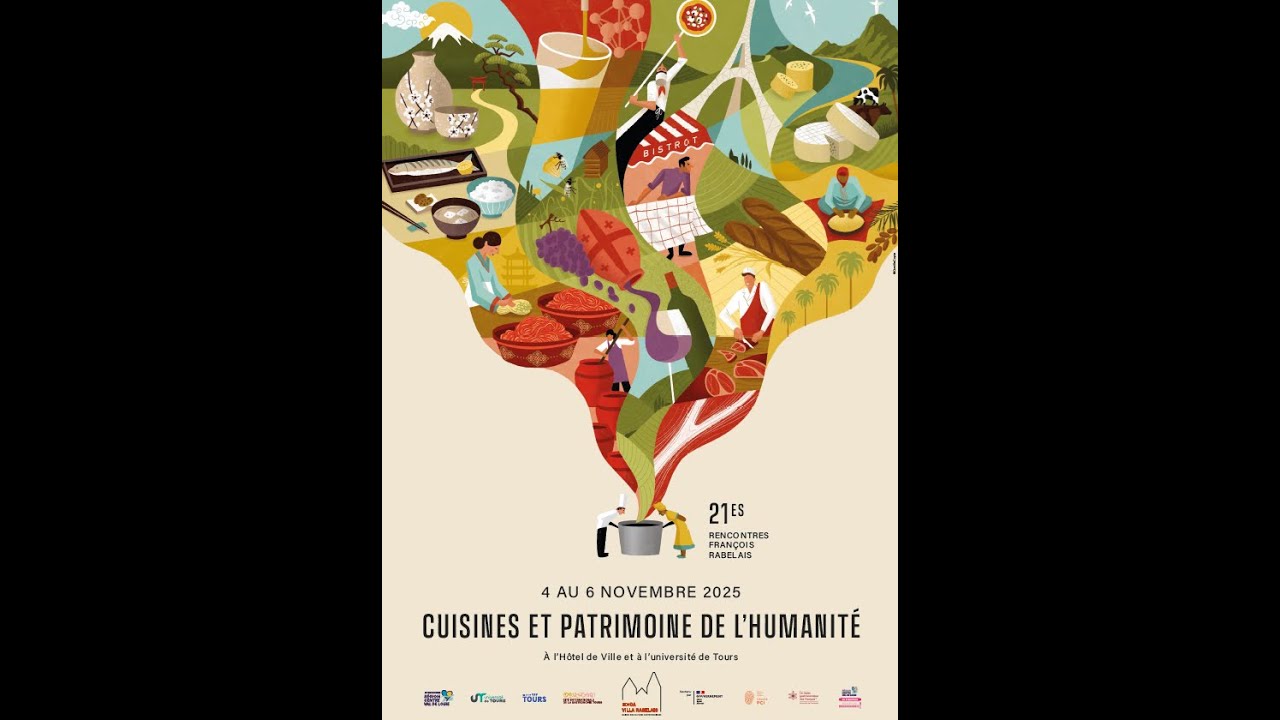
Un élément alimentaire inscrit au patrimoine de l’humanité à quoi ça sert ?
Keywords
Summary
200 words
Critical Evaluation
Value of the Information & Strength of the Argument
The video provides valuable insights into the practical implications of UNESCO food heritage inscriptions. The panelists offer concrete examples of how these inscriptions affect communities, from economic benefits to cultural preservation. The argumentation is solid, grounded in the speakers’ professional experiences and specific case studies. However, the discussion is largely anecdotal and lacks critical analysis of potential drawbacks or controversies. The value lies in the firsthand perspectives and the diversity of viewpoints presented.
Scientific Rigor, Source Quality, Title Accuracy
The scientific rigor is moderate; the panelists are experts in their fields, but the discussion is more conversational than academic. Sources are not explicitly cited, though references to UNESCO and specific studies are mentioned. The title accurately reflects the content, and the video’s length allows for a thorough exploration of the topic. The absence of a formal structure and citations limits its scientific rigor, but the expertise of the speakers lends credibility.
160 words
Title / Content Match
The title accurately reflects the content, which explores the purpose and impact of UNESCO food heritage inscriptions through three case studies.
Quality & Reliability
7/10
The video is a roundtable discussion with experts in gastronomy, journalism, and baking, providing firsthand insights into UNESCO intangible cultural heritage inscriptions. The information is credible but relies on personal experiences and opinions rather than systematic research.
Key Moments
Markers derived by PSI from the transcript: the creator did not define chapters.
- Introduction of the roundtable and participants.
- Discussion on the notion of heritage, with Tiemi Okumoto explaining the Japanese perspective.
- Karine Egon discusses the Mediterranean diet and its inscription.
- Dominique Anract details the baguette's inscription process and its cultural significance.
- Exploration of the economic and social impacts of UNESCO inscriptions.
- Discussion on the challenges of transmission and adaptation of traditions.
- Audience questions and further insights on the baguette.
- Concluding remarks on the value of UNESCO heritage listings.
Cited Sources
- UNESCO Intangible Cultural Heritage — Referenced as the organization responsible for the inscriptions discussed.
Concurring Sources
- UNESCO Intangible Cultural Heritage — The official UNESCO site confirms the inscriptions mentioned in the video.
Contribution & Novelties
The video offers a unique comparative perspective on UNESCO food heritage inscriptions, highlighting the different motivations and outcomes in France, Japan, and the Mediterranean region. It provides practical insights from professionals directly involved in these processes, which is not commonly found in academic literature.
Pour aller plus loin :
- UNESCO Intangible Cultural Heritage — Official site for understanding the list and criteria.
- Washoku: Traditional Dietary Cultures of the Japanese — UNESCO page on Washoku.
- Mediterranean Diet — UNESCO page on the Mediterranean diet.
- Baguette: The French Art of Breadmaking — UNESCO page on the baguette.
95 words
Radar Profile
The radar profile shows high scores in quantity and quality of information, moderate technical level, and high reliability. This indicates a well-rounded discussion with expert insights, though it is not highly technical.
💬 No comments were provided for analysis.