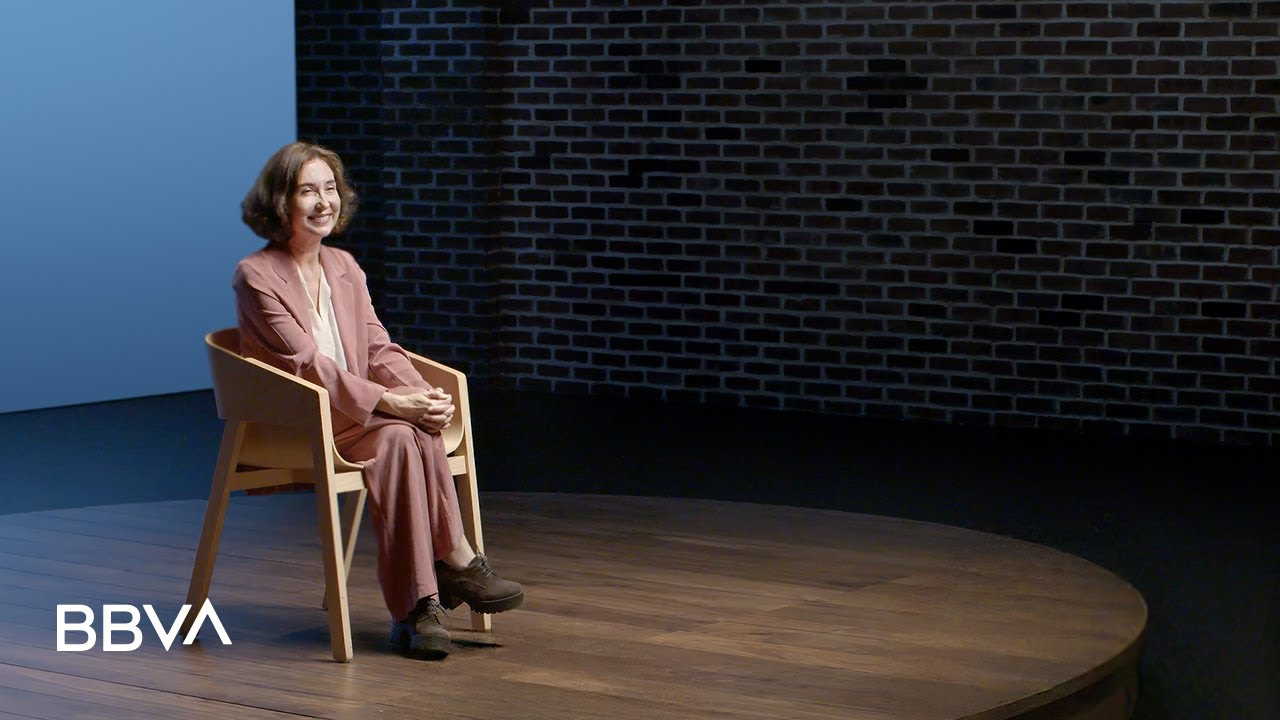
Cómo reconectar con lo que importa | Elsa Punset, escritora y filósofa
Keywords
Summary
182 words
Critical Evaluation
The video presents a thoughtful and engaging discussion on emotional well-being, drawing on Elsa Punset’s background as a writer and philosopher. The content is accessible and resonates with a broad audience, as evidenced by the positive comments. However, from a scientific perspective, the talk relies heavily on anecdotal evidence and popular psychology concepts rather than rigorous empirical research. While Punset mentions neuroscience, she does not cite specific studies or data, which weakens the scientific credibility. The argumentation is coherent and persuasive, but it often simplifies complex psychological processes. For instance, the idea of the ‘inner child’ and the three stages of emotional evolution are presented as universal truths without acknowledging the diversity of individual experiences or the nuances of psychological development. The discussion on social media and its effects on emotional well-being is relevant but lacks concrete evidence. The sources cited are limited to the channel’s social media and podcast, which are not academic references. The title accurately reflects the content, and the video is well-structured with clear chapters. Overall, the video offers valuable insights for personal growth, but it should be viewed as an opinion piece rather than a scientifically rigorous analysis. The public comments are overwhelmingly positive, with many expressing gratitude and appreciation for the message, indicating that the content resonates emotionally with viewers. However, the lack of critical engagement in the comments suggests that the audience may not be evaluating the scientific basis of the claims. In conclusion, while the video is inspiring and thought-provoking, it falls short of scientific rigor due to the absence of empirical support and reliance on personal narrative.
266 words
Title / Content Match
The title accurately reflects the content: a conversation about reconnecting with what matters, focusing on emotional well-being, purpose, and relationships.
Quality & Reliability
7/10
The speaker is a recognized author and science communicator in emotional education, but the content is largely based on personal experience and popular psychology rather than rigorous scientific evidence. References to neuroscience are general and not backed by specific studies. The discussion is coherent and insightful, but lacks empirical citations.
Chapters
- Introducción: heridas emocionales, hábitos y bienestar mental
- Por qué repetimos patrones de nuestra madre sin darnos cuenta
- Cómo sanar las heridas de la infancia que aparecen en la adultez
- Cómo influyen las redes sociales en el vacío emocional y social
- Cuando la mente no está bien, el cuerpo lo manifiesta
- Herramientas psicológicas que pueden ayudarte a salir adelante
- Qué es realmente la felicidad y cómo se construye
- Cambiar hábitos para cambiar resultados en la vida
- Por qué nos cuesta tanto salir de lo que nos hace daño
- Cómo aprender a decir no sin culpa ni miedo
- Cómo gestionar emociones negativas de forma saludable
- La importancia de la conexión con la naturaleza para el bienestar
- Reflexión final
Cited Sources
- AprendemosJuntos on Facebook — Official Facebook page of the channel, likely containing additional content and references.
- AprendemosJuntos Podcast on Spotify — Podcast version of the conversation, possibly with extended content.
Concurring Sources
- AprendemosJuntos on Facebook — Official channel page, consistent with the video's themes.
- AprendemosJuntos Podcast on Spotify — Podcast version, aligning with the video's content.
Contribution & Novelties
The video offers a personal and accessible perspective on emotional well-being, emphasizing the importance of connection, purpose, and self-awareness. It introduces the metaphor of the sparrow to illustrate resilience and the need for care. The discussion on the ‘second half of life’ and the three stages of emotional evolution provides a framework for personal growth. However, these concepts are not new and are drawn from existing psychological theories.
Pour aller plus loin :
- Inner child — A psychological concept central to the discussion.
- Emotional intelligence — A key theme in Punset’s work.
- James Hollis — The psychotherapist referenced for the ‘second half of life’ concept.
105 words
Radar Profile
The radar profile shows high scores in quantity and quality of information, moderate technical level, and good reliability. This indicates a well-structured and informative talk, but with limited scientific depth and reliance on personal experience rather than empirical evidence.
💬 Très positif. Sur les 30 commentaires analysés, l'écrasante majorité exprime gratitude et admiration pour Elsa Punset, soulignant la paix et la sagesse transmises, sans critique notable.