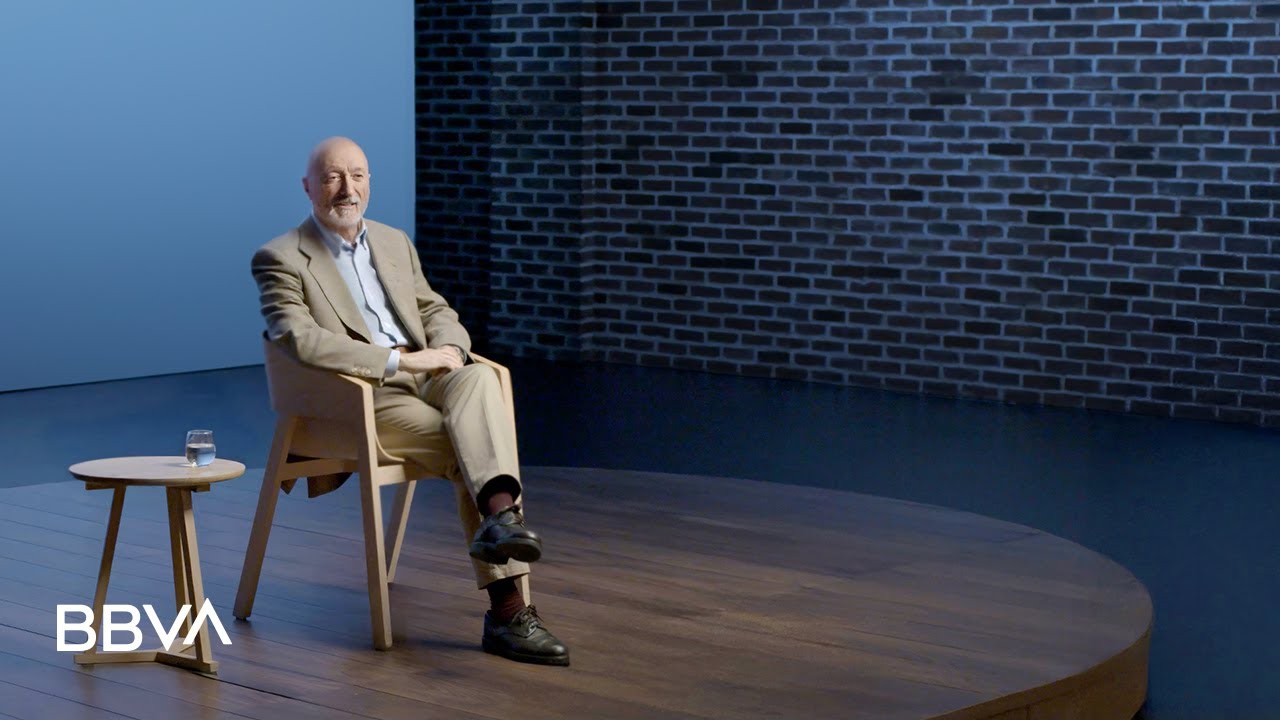
¿Qué aprende una persona cuando deja de necesitar certezas? | Arturo Pérez-Reverte, escritor
Keywords
Summary
184 words
Critical Evaluation
The interview offers a profound and articulate exploration of ethical resilience in the face of disillusionment. Pérez-Reverte’s arguments are grounded in his extensive real-world experiences, lending authenticity and depth to his reflections. His distinction between honor and dignity is particularly insightful, as he critiques the manipulation of grand words while advocating for a more personal and reliable moral compass. The narrative is coherent and compelling, though it remains subjective and anecdotal rather than systematic or evidence-based. The lack of empirical data or references to academic sources limits its scientific rigor, but this is not the intent of the content. The discussion of good and evil as a spectrum rather than a binary is philosophically nuanced and encourages critical thinking. The title accurately captures the essence of the conversation, and the content delivers on its promise. The presence of a brief sponsorship segment does not detract from the overall quality. The audience comments reflect a highly positive reception, with many expressing admiration for the speaker’s wisdom and emotional impact. Overall, the interview provides valuable cultural and ethical insights, though it should be viewed as an expert opinion rather than a scientific analysis.
191 words
Title / Content Match
The title accurately reflects the central theme of the conversation: the process of losing certainty and building a personal ethic based on dignity and loyalty.
Quality & Reliability
8/10
The content is an interview with a renowned writer and former war correspondent, offering personal reflections and experiences. While subjective, his expertise and real-life background lend credibility. No scientific claims are made, but the ethical and cultural insights are grounded in extensive personal experience.
Key Moments
Markers derived by PSI from the transcript: the creator did not define chapters.
- Introduction by Pérez-Reverte, addressing the younger generation and the challenges of their time.
- Discussion on the unpredictability of youth, referencing his experiences in Eritrea.
- Explanation of Alatriste's character and his personal ethic of dignity and loyalty.
- Reflections on how his character has aged and become more bitter, mirroring his own regrets.
- Emphasis on culture as a defensive tool against manipulation.
- Anecdote from Beirut about honor and dignity.
- Discussion on the blurred line between good and evil, and distrust of absolute certainty.
- Advice to young people to read and live to understand the world better.
- Conclusion on maintaining a clear head and decent heart.
Cited Sources
- Aprendemos Juntos - Facebook — Official Facebook page of the channel, where additional content and discussions are shared.
- Aprendemos Juntos - Spotify Podcast — Podcast version of the interview and other episodes, available for streaming.
Concurring Sources
- Aprendemos Juntos - Spotify Podcast — The podcast platform hosts the full interview, aligning with the content discussed.
Contribution & Novelties
The interview provides a unique perspective on ethics and personal growth, drawing from the speaker’s extensive experience as a war correspondent and novelist. It offers practical advice for young people on navigating a world of uncertainty and manipulation. The distinction between honor and dignity is a valuable conceptual contribution.
Pour aller plus loin :
- Éthique de la vertu — Relevant for understanding the philosophical basis of personal ethics based on character traits like dignity and loyalty.
- Pensée critique — Directly related to the speaker’s emphasis on using culture and reading to avoid manipulation.
- Littérature d’apprentissage — The Alatriste series can be seen as a bildungsroman, a genre focused on the moral and psychological growth of the protagonist.
117 words
Radar Profile
The radar profile shows high scores in quality of information and reliability, reflecting the speaker's credibility and the depth of the discussion. The lower score in technical level is appropriate given the non-technical, humanistic nature of the content.
💬 Très positif. Sur les 30 commentaires analysés, l'écrasante majorité exprime une admiration profonde pour la sagesse et l'éloquence de l'intervenant, avec des remerciements chaleureux et des mentions d'émotion intense.