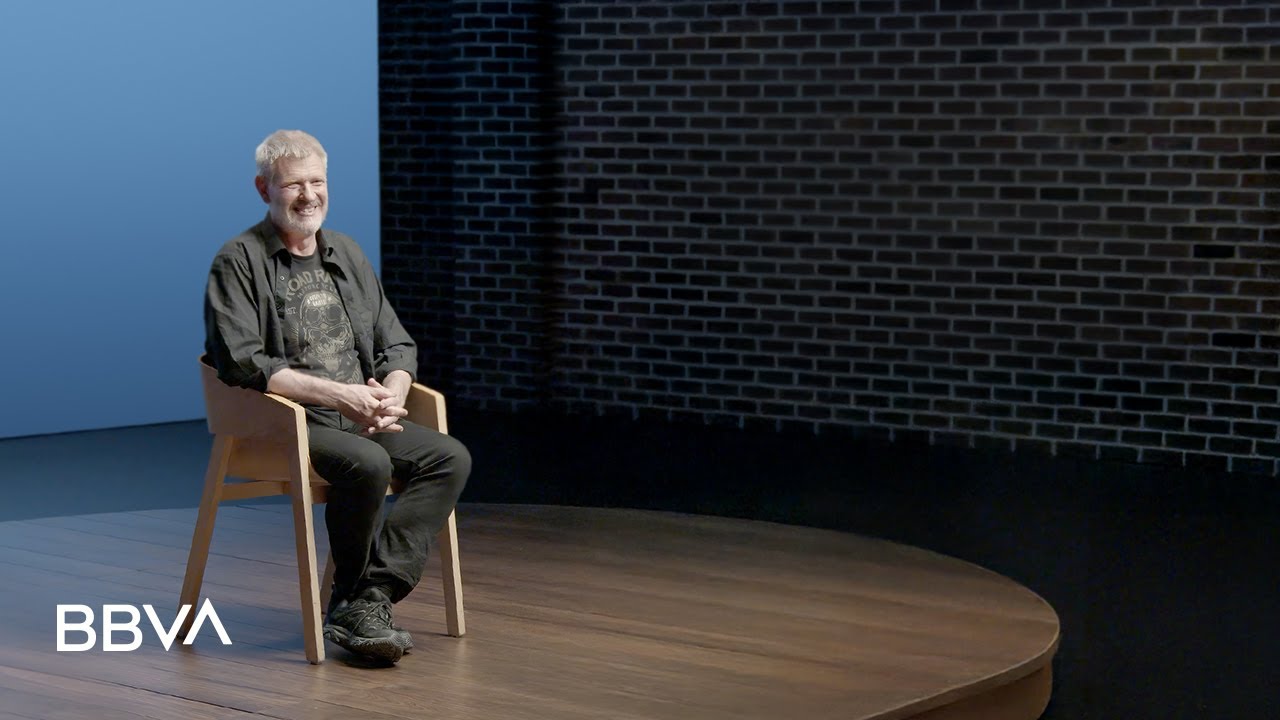
Cómo funciona tu cerebro y qué revela sobre tu forma de vivir | David Bueno, biólogo y genetista
Keywords
Summary
198 words
Critical Evaluation
The video provides a comprehensive and engaging overview of neuroscience applied to education and daily life. David Bueno, a professor and researcher in genetics and neuroeducation, presents complex concepts in an accessible manner, using anecdotes and examples to illustrate his points. The scientific foundation is solid, drawing on established knowledge about brain plasticity, the role of dopamine in learning, and the development of language. However, the presentation is largely anecdotal and lacks specific citations to scientific studies, which would strengthen its credibility. The discussion on the origins of language and art, while plausible, is simplified and does not delve into the nuances of current research. The emphasis on the importance of talking to children is supported by research, but the claim that reduced verbal interaction may lead to less complex thinking is an oversimplification. The video also touches on the nature vs. nurture debate, correctly stating that both genetics and environment shape the brain, but does not provide detailed evidence. The section on creativity is insightful, linking it to the brain’s default mode network and the importance of mind-wandering, but again, lacks specific references. Overall, the content is informative and thought-provoking, but would benefit from more rigorous sourcing. The title accurately reflects the content, and the video successfully bridges neuroscience and everyday life, making it valuable for a general audience interested in education and personal development.
226 words
Title / Content Match
The title accurately reflects the content, which explores brain function and its implications for daily life, education, and creativity.
Quality & Reliability
8/10
The speaker is a recognized expert in genetics and neuroeducation, and the content is based on established neuroscientific concepts. However, some claims are simplified and lack direct citations to specific studies, which slightly reduces the score.
Chapters
- Cómo el cerebro crea el lenguaje y da forma a lo que pensamos
- Lenguaje y cerebro: cómo hablar cambia nuestra forma de pensar
- Qué ocurre en el cerebro cuando pintamos y creamos arte
- El cerebro como teatro: mente, conciencia y experiencia
- Diálogo interno: cómo afecta a tu bienestar mental
- Plasticidad cerebral: aprendizaje, saturación y límites del cerebro
- Cómo se desarrolla el cerebro emocional en la infancia
- Letras o ciencias: qué dice el cerebro sobre esta división
- Genética vs entorno: qué influye más en el desarrollo del cerebro
- Educación y aula: cómo aprende realmente el cerebro
- Qué es la creatividad y cómo se activa en el cerebro
- Cómo es el cerebro de las personas creativas
- Atención, creatividad y estados mentales óptimos
- Experiencias, cerebro y visión del futuro
Cited Sources
- AprendemosJuntos on Facebook — Official Facebook page of the channel, where additional content and resources are shared.
- AprendemosJuntos podcast on Spotify — Podcast version of the interview and other episodes, available for listening.
Concurring Sources
- Neuroeducation: A new approach to learning — Peer-reviewed article discussing the application of neuroscience to education.
- The role of language in thought — Scientific paper on how language influences cognitive processes.
Dissenting Sources
Contribution & Novelties
The video offers a unique perspective by integrating neuroscience with education, emphasizing the role of emotions, senses, and creativity in learning. It provides practical insights for parents and educators, such as the importance of talking to children and allowing them to play. The discussion on the origins of language and art adds an evolutionary dimension to understanding the brain.
Pour aller plus loin :
- Neuroeducation — Overview of the field that combines neuroscience and education.
- Brain plasticity — Detailed explanation of the brain’s ability to reorganize itself.
- Dopamine and reward system — The neural pathway involved in reward and motivation.
- Default mode network — Brain network active during mind-wandering and creativity.
111 words
Radar Profile
The radar profile shows high scores in quantity and quality of information, reflecting the video's rich content and expert presentation. The technical level is moderate, making it accessible to a broad audience. Overall, the video is reliable and informative, with minor limitations in sourcing.
💬 No comments were provided for analysis.