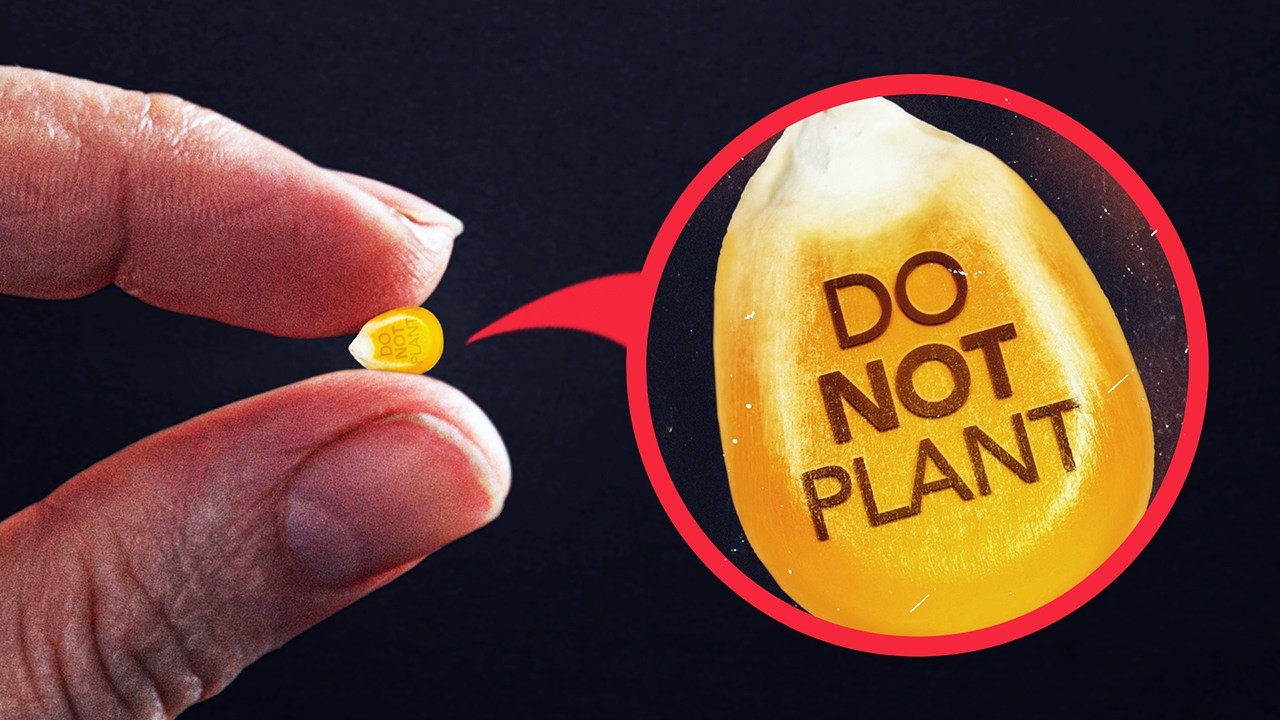
Exposing Why Farmers Can't Legally Replant Their Own Seeds
Keywords
Summary
157 words
Critical Evaluation
The video is a compelling and well-researched exposé of Monsanto’s corporate practices. It excels in presenting a complex historical narrative with clear explanations of chemical processes and legal issues. The use of primary sources, such as the Monsanto Papers and interviews with experts like Carey Gillam and Nathan Donley, lends credibility. The argumentation is generally solid, but the presentation is clearly adversarial, which may lead to a one-sided portrayal. For instance, while the video highlights the dangers of glyphosate, it does not thoroughly address the scientific consensus that glyphosate is safe at approved levels, as stated by the EPA and other regulatory bodies. The video also simplifies the legal aspects of seed patents, potentially overstating the extent to which farmers are ‘forced’ to buy seeds annually, as some farmers do save seeds for non-patented varieties. The production quality is high, with engaging visuals and animations that aid understanding. The adéquation between title and content is good, though the title focuses on seed replanting, which is only one part of the broader critique. Overall, the video is a valuable piece of investigative journalism, but viewers should be aware of its advocacy perspective and seek additional sources for a balanced view.
199 words
Title / Content Match
The title is somewhat sensational but accurately reflects the core issue of seed patenting and corporate control over agriculture.
Quality & Reliability
9/10
High-quality investigative documentary with extensive references, interviews with experts, and use of primary documents (Monsanto Papers). The video clearly distinguishes facts from opinions and provides sources for claims. Minor deductions for potential bias in presentation and reliance on third-party interpretations.
Chapters
Cited Sources
- Monsanto References — List of references used in the video.
- Monsanto Visuals — List of image and video references.
- Carey Gillam's books — Books by Carey Gillam, an investigative journalist and expert interviewed.
- Bart Elmore's book — Book by Bart Elmore, a historian and expert interviewed.
Concurring Sources
- Monsanto Papers — Internal documents released during litigation that support claims of corporate misconduct.
- IARC classification of glyphosate — IARC's classification of glyphosate as probably carcinogenic to humans.
Dissenting Sources
External References
Contribution & Novelties
The video provides a comprehensive and accessible synthesis of Monsanto’s history, connecting the dots between its herbicide production, the Vietnam War, and the modern seed patent system. It brings together information from the Monsanto Papers and expert interviews, offering a compelling narrative that is often scattered across various sources.
Pour aller plus loin :
- Monsanto legal cases — Overview of notable lawsuits involving Monsanto.
- Agent Orange — Detailed background on the herbicide and its effects.
- Glyphosate — Information on the active ingredient in Roundup and its controversies.
87 words
Radar Profile
The radar profile shows high scores in quantity and quality of information, reflecting the video's depth and use of credible sources. The technical level is moderate, making it accessible to a general audience while still providing scientific detail. The overall reliability is high, though the advocacy tone slightly reduces the score.
💬 Très négatif envers Monsanto, avec une forte indignation et des appels à la justice. Sur les 30 commentaires analysés, la majorité exprime une condamnation morale de l'entreprise et de ses dirigeants, certains allant jusqu'à réclamer des poursuites pénales.