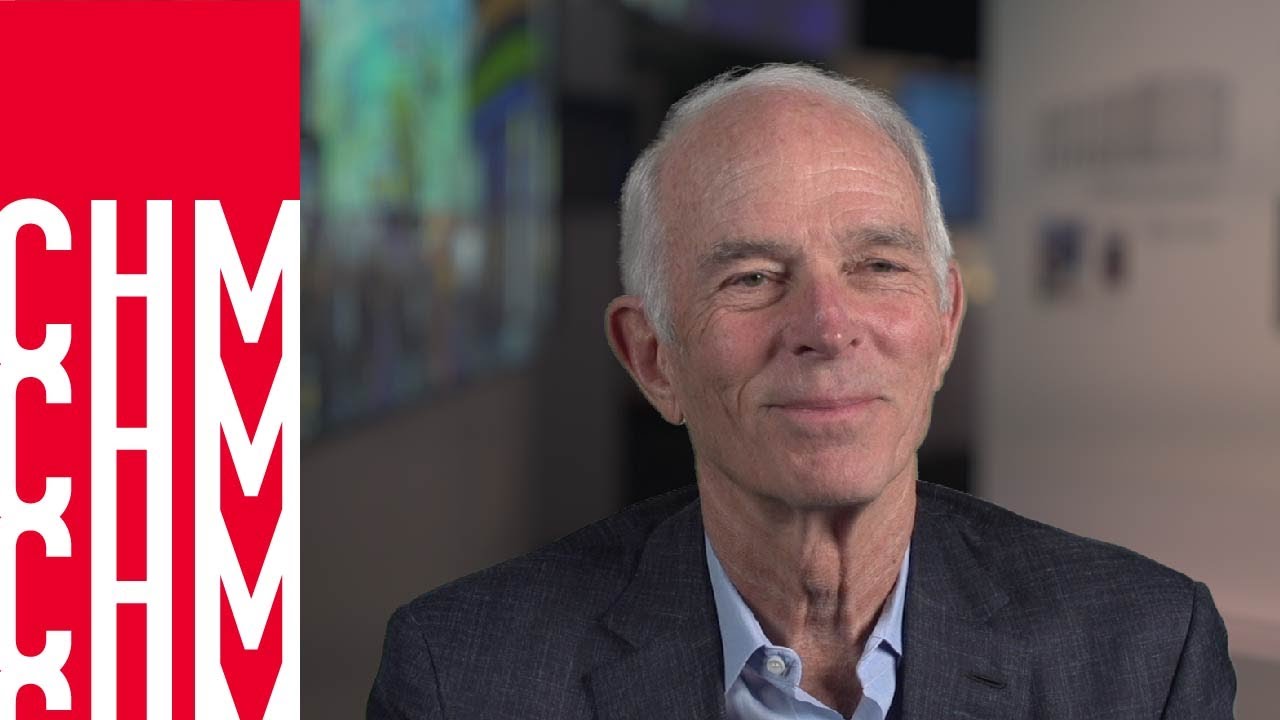
Oral History of Gary Morgenthaler Part 2 of 2
Keywords
Summary
163 words
Critical Evaluation
The interview offers a valuable first-hand account of the development and launch of Siri, providing unique insights into the venture capital perspective and the strategic decisions that shaped the product. Morgenthaler’s narrative is detailed and coherent, and his credibility is enhanced by his direct involvement as an investor and board member. The discussion of technical aspects, such as the integration of speech recognition and natural language understanding, is accessible yet informative, making the content suitable for a broad audience interested in technology history. The interview also touches on the challenges of commercializing AI research, including the skepticism from investors and the importance of a strong founding team. However, the account is inherently subjective, and Morgenthaler’s recollections may be influenced by hindsight or personal bias. The lack of external sources or verification within the interview itself means that some claims, such as the number of speech recognition startups, are presented without evidence. Additionally, the interview focuses heavily on the business and strategic aspects, with less emphasis on the technical details of Siri’s architecture, which may leave technically inclined viewers wanting more. The adéquation between the title and content is strong, as the interview directly addresses Morgenthaler’s role in Siri. Overall, the interview is a valuable historical record, but it should be complemented with other sources for a more comprehensive understanding of Siri’s development.
222 words
Title / Content Match
The title accurately reflects the content: a continuation of Gary Morgenthaler's oral history, focusing on his role in Siri's creation and launch.
Quality & Reliability
8/10
The interview is conducted by the Computer History Museum, a reputable institution, and features a primary source (Gary Morgenthaler) recounting his direct involvement in the development of Siri. The narrative is detailed and consistent with known historical facts, though it relies on personal recollection and may contain subjective interpretations.
Key Moments
Markers derived by PSI from the transcript: the creator did not define chapters.
- Morgenthaler discusses his early career and the influence of AI pioneers like John McCarthy.
- He talks about his work in relational databases and the founding of Nuance Communications.
- Morgenthaler describes meeting the Siri founders and the initial pitch that he criticized.
- He details the formation of the Siri team and the rapid learning process.
- Discussion of the technical challenges and the integration of speech recognition and AI.
- Morgenthaler recounts the acquisition by Apple and Steve Jobs' involvement.
Cited Sources
- Computer History Museum Oral History Transcript — Official transcript of this interview, provided in the video description.
Concurring Sources
- Siri - Wikipedia — Provides a general overview of Siri's development and acquisition, consistent with Morgenthaler's account.
Dissenting Sources
- No discordant sources identified — No sources contradicting the interview's claims were found in the provided information.
Contribution & Novelties
This interview provides a unique insider perspective on the venture capital and business decisions behind Siri’s development, complementing the technical narratives from the founders. It highlights the importance of team dynamics, rapid learning, and strategic pivoting in bringing an AI product to market.
Pour aller plus loin :
- Siri on Wikipedia — Overview of Siri’s history and features.
- Dag Kittlaus on Wikipedia — Background on one of Siri’s co-founders.
- Nuance Communications on Wikipedia — Information on the speech recognition company Morgenthaler funded.
82 words
Radar Profile
The radar profile shows high scores in information quantity, quality, and reliability, with a moderate technical level. This indicates a well-rounded interview that is both informative and credible, though not deeply technical.