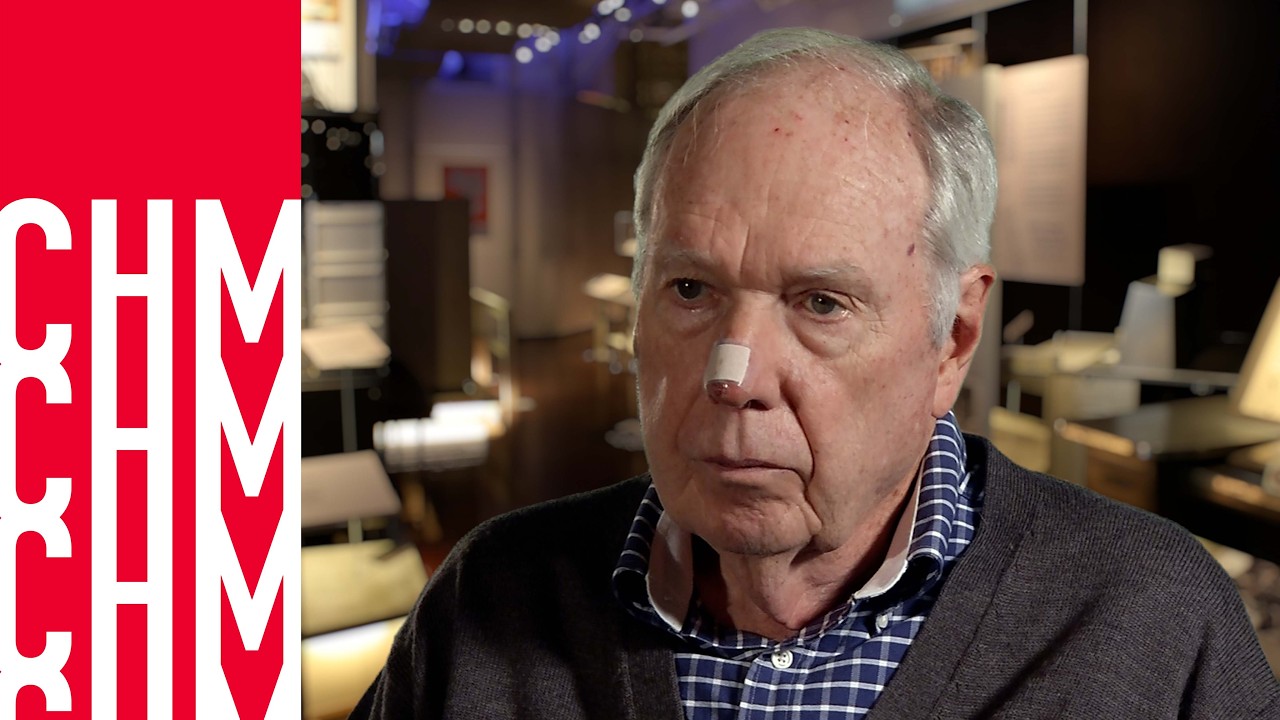
Michael J. Flynn and the Foundations of Computer Architecture (Oral History)
Keywords
Summary
101 words
Critical Evaluation
This oral history interview offers a valuable firsthand account of the development of computer architecture, featuring Michael J. Flynn, a key figure in the field. The content is rich in personal anecdotes and historical context, providing insights into the early days of computing at IBM and the academic environment of the time. Flynn’s recollections are detailed and engaging, covering his work on the IBM 360, the creation of the Flynn taxonomy, and his later career. The interview is conducted by Bob Zeidman, who has a personal connection to Flynn, adding a conversational and informal tone. However, the reliability of the information is limited by the nature of oral history: it relies on memory, which can be fallible, and the interviewee may have biases or omissions. The transcript is available for verification, but the video itself is the primary source. The technical depth is moderate, suitable for a general audience interested in computing history, but not for those seeking detailed technical explanations. The interview does not include any visual aids or demonstrations, which might have enhanced understanding. Overall, this is a valuable historical document, but it should be supplemented with other sources for a comprehensive understanding of computer architecture. The title accurately reflects the content, and the interview provides a unique perspective on the foundations of the field.
217 words
Title / Content Match
The title accurately reflects the content: an oral history interview with Michael J. Flynn, focusing on his contributions to computer architecture.
Quality & Reliability
8/10
Oral history interview with a pioneer in computer architecture, conducted by the Computer History Museum, a reputable institution. The content is firsthand, with detailed recollections, but relies on memory and may contain inaccuracies. The transcript is available for verification.
Key Moments
Markers derived by PSI from the transcript: the creator did not define chapters.
- Introduction of Michael J. Flynn and his achievements.
- Discussion of Flynn's early life, family, and interest in amateur radio.
- Flynn talks about his education and first exposure to computers at IBM.
- Details about working on the IBM 7090 and IBM 360.
- Explanation of the Flynn taxonomy and its significance.
- Flynn discusses his academic career and involvement in computer architecture groups.
- Evaluation of the Safeguard missile defense program.
- Reflections on his career and advice to future computer scientists.
Cited Sources
- Computer History Museum catalog entry for the interview — Official transcript and additional information about the interview.
Concurring Sources
- Flynn's taxonomy - Wikipedia — Provides a detailed explanation of the taxonomy, consistent with Flynn's description.
Contribution & Novelties
This interview provides a unique personal perspective on the history of computer architecture, offering insights not typically found in textbooks. It highlights the human side of innovation and the collaborative nature of early computing. The discussion of the Flynn taxonomy, while well-known, is enriched by Flynn’s own account of its development.
Pour aller plus loin :
- Flynn’s taxonomy - Wikipedia — Overview of the classification system.
- IBM System/360 - Wikipedia — Details on the IBM 360, a key project discussed.
- Computer architecture - Wikipedia — General background on the field.
90 words
Radar Profile
The radar profile shows high scores in information quantity, quality, and reliability, with a moderate technical level. This indicates a well-rounded, informative interview suitable for a broad audience interested in computing history.
💬 No comments were provided for analysis.