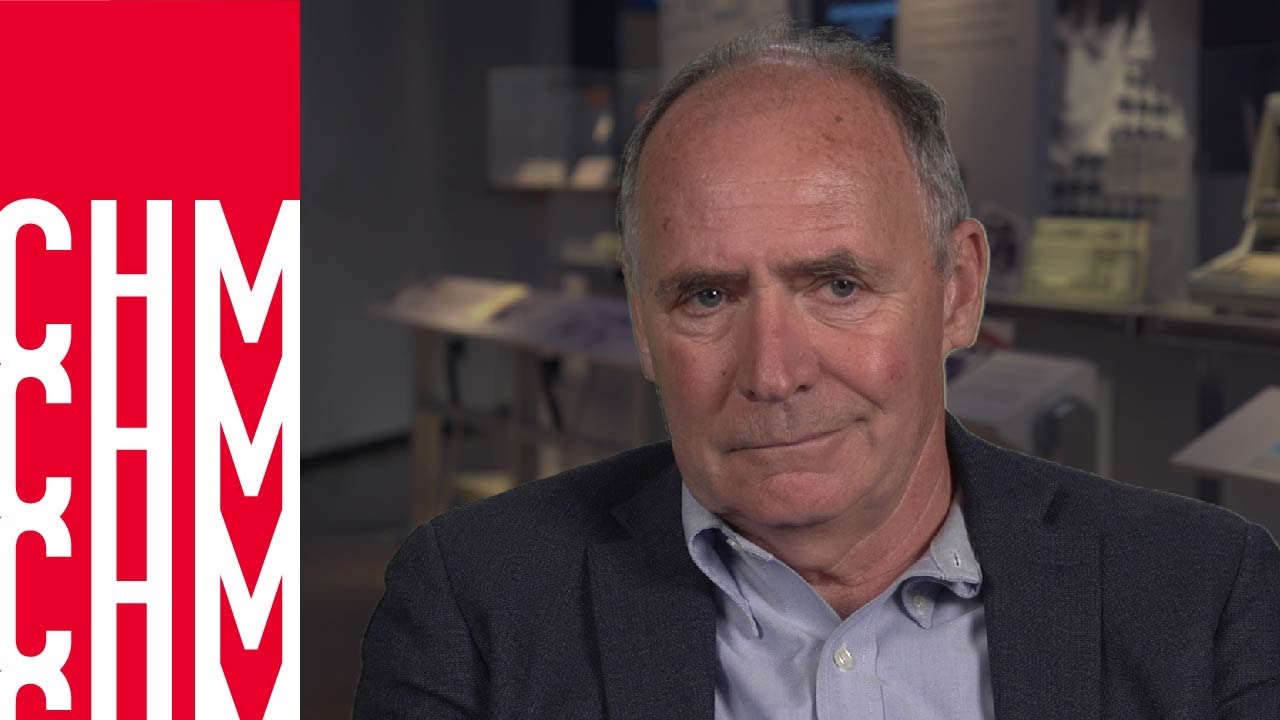
Oral History of Eric Fullerton
Keywords
Summary
148 words
Critical Evaluation
Value of the Information & Strength of the Argument
The interview provides valuable firsthand insights into the development of antiferromagnetically coupled media, a key innovation in magnetic recording. Fullerton’s narrative is detailed and technically informed, explaining the scientific principles and industrial impact. The argumentation is credible, based on his personal experience and recognized contributions, though it is anecdotal and not peer-reviewed.
Scientific Rigor, Source Quality, Title Accuracy
The interview is conducted by the Computer History Museum, a reputable institution, and includes a transcript reference. The title accurately reflects the content. The sources are primarily personal recollections, but the technical details align with known developments in the field. The interview does not include external citations, but the catalog number provides a verifiable archival reference.
123 words
Title / Content Match
The title accurately reflects the content, which is an oral history interview.
Quality & Reliability
8/10
Interview with a renowned expert, conducted by the Computer History Museum, with a detailed transcript and catalog reference. The content is based on personal experience and technical knowledge, but lacks external verification.
Key Moments
Markers derived by PSI from the transcript: the creator did not define chapters.
- Introduction and early life, including summers in Alaska.
- Decision to attend Harvey Mudd College and switch to physics.
- PhD work at UCSD and Argonne, focusing on thin-film superlattices.
- Joining IBM Almaden and developing antiferromagnetically coupled media.
- Transition to HGST and later to UCSD faculty.
Cited Sources
- Computer History Museum Catalog Entry — Transcript and catalog reference for the interview.
Concurring Sources
- Computer History Museum Catalog Entry — Official transcript and catalog record.
Contribution & Novelties
This interview provides a unique personal account of the development of antiferromagnetically coupled media, a key technology in magnetic recording. It offers insights into the research process and industrial adoption, complementing technical literature.
Pour aller plus loin :
- Antiferromagnetic coupling — Relevant to the underlying physics.
- Magnetic recording — Background on the technology.
- IBM Almaden Research Center — Context of the research environment.
63 words
Radar Profile
The radar profile shows high scores in information quantity, quality, and reliability, with a moderate technical level. This indicates a well-rounded, credible oral history suitable for a general audience interested in technology history.
💬 No comments were provided for analysis.