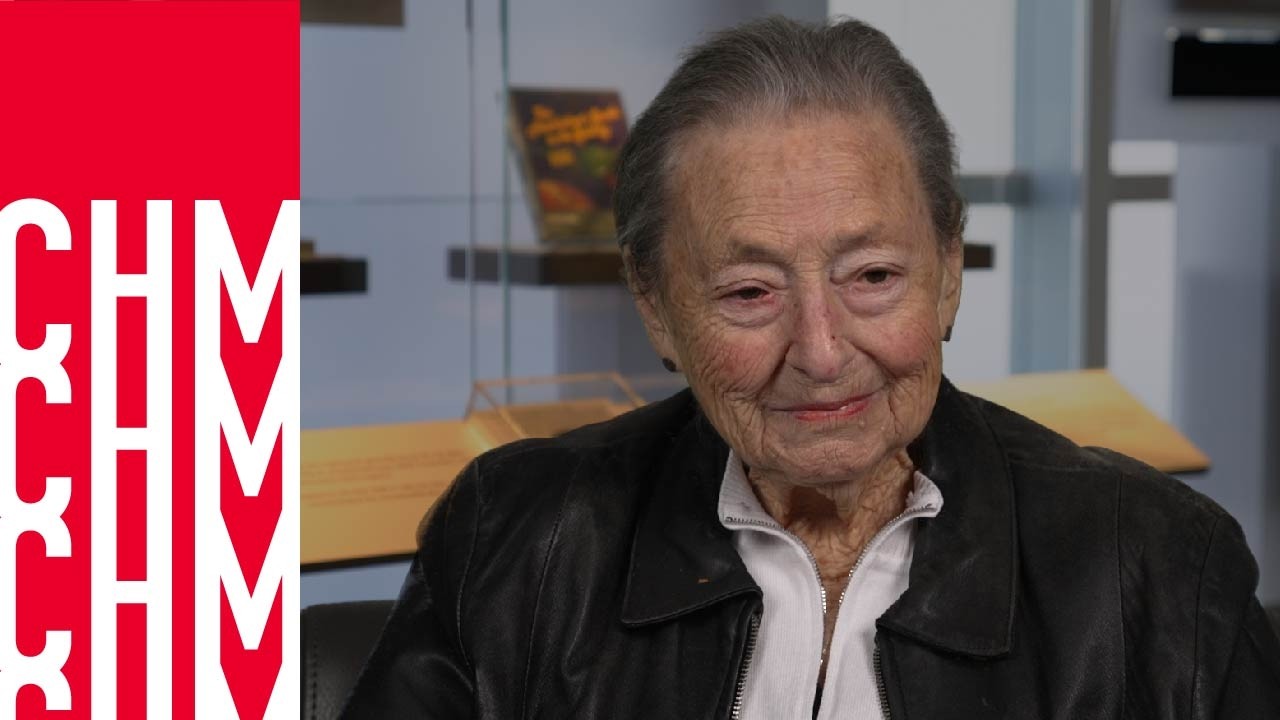
Oral History of Jeanie Treichel
Keywords
Summary
166 words
Critical Evaluation
This oral history interview offers a valuable firsthand account of the administrative and organizational aspects of some of the most influential institutions in computing history. Jeanie Treichel’s narrative provides unique insights into the culture and operations of Xerox PARC, Sutherland Sproul and Associates, and Sun Labs, particularly through her close working relationship with Bert Sutherland. The interview is conducted by David C. Brock, a respected historian of technology, and the Computer History Museum is a reputable institution, lending credibility to the recording and transcription. The content is primarily anecdotal and personal, which is typical of oral histories, but it does not provide technical details or verifiable facts. The interviewee’s memory may be fallible, and the narrative is subjective. However, the interview is well-structured and covers significant periods in computing history. The description notes that transcripts may be modified for clarity, which could introduce discrepancies, but the transcript is available for reference. Overall, the interview is a valuable primary source for historians and enthusiasts, but it should be supplemented with other sources for a comprehensive understanding. The title accurately reflects the content, and the production quality is high. The interview does not include any commercial content or sponsorship. The main limitation is the lack of external sources or references, but this is typical for oral histories. The interview provides a rich personal perspective that is not often captured in technical histories, making it a worthwhile resource.
235 words
Title / Content Match
The title accurately reflects the content: an oral history interview with Jeanie Treichel.
Quality & Reliability
8/10
Interview conducted by the Computer History Museum, a reputable institution, with transcript available. The interviewee provides firsthand accounts, but memory may be fallible. No external sources cited beyond the transcript link.
Key Moments
Markers derived by PSI from the transcript: the creator did not define chapters.
- Introduction and early life: birth in 1931, Italian family background, Depression-era upbringing.
- Education and high school experiences, including influence of supportive teachers.
- College years at San Jose State, working for Dr. Gertrude Cavens, and the West Coast Nature School.
- Early career and path to Xerox PARC in the early 1970s.
- Experiences at Xerox PARC, working closely with Bert Sutherland.
- Early retirement and joining Sutherland, Sproul, and Associates.
- Contributions to the creation of Sun Labs in the 1990s and 2000s.
- Reflections on her career and the evolution of the technology industry.
Cited Sources
- Computer History Museum Catalog Entry — Official catalog entry for the interview, providing transcript and additional information.
Concurring Sources
- Computer History Museum Catalog Entry — The catalog entry provides the transcript and official record of the interview, corroborating the content.
Contribution & Novelties
This oral history provides a unique administrative perspective on Xerox PARC, Sutherland Sproul and Associates, and Sun Labs, highlighting the role of non-technical staff in these organizations. It offers personal anecdotes and insights into the working style of Bert Sutherland and the culture of these institutions.
Pour aller plus loin :
- Xerox PARC — Overview of Xerox PARC’s history and contributions.
- Sun Microsystems — Background on Sun Microsystems and its acquisition of Sutherland Sproul and Associates.
- Bert Sutherland — Biography of Bert Sutherland, providing context for his collaborations.
88 words
Radar Profile
The radar profile shows high scores in quantity of information and reliability, reflecting the detailed personal narrative and the credibility of the institution. The technical level is low, as expected for an oral history focused on administrative and personal experiences.