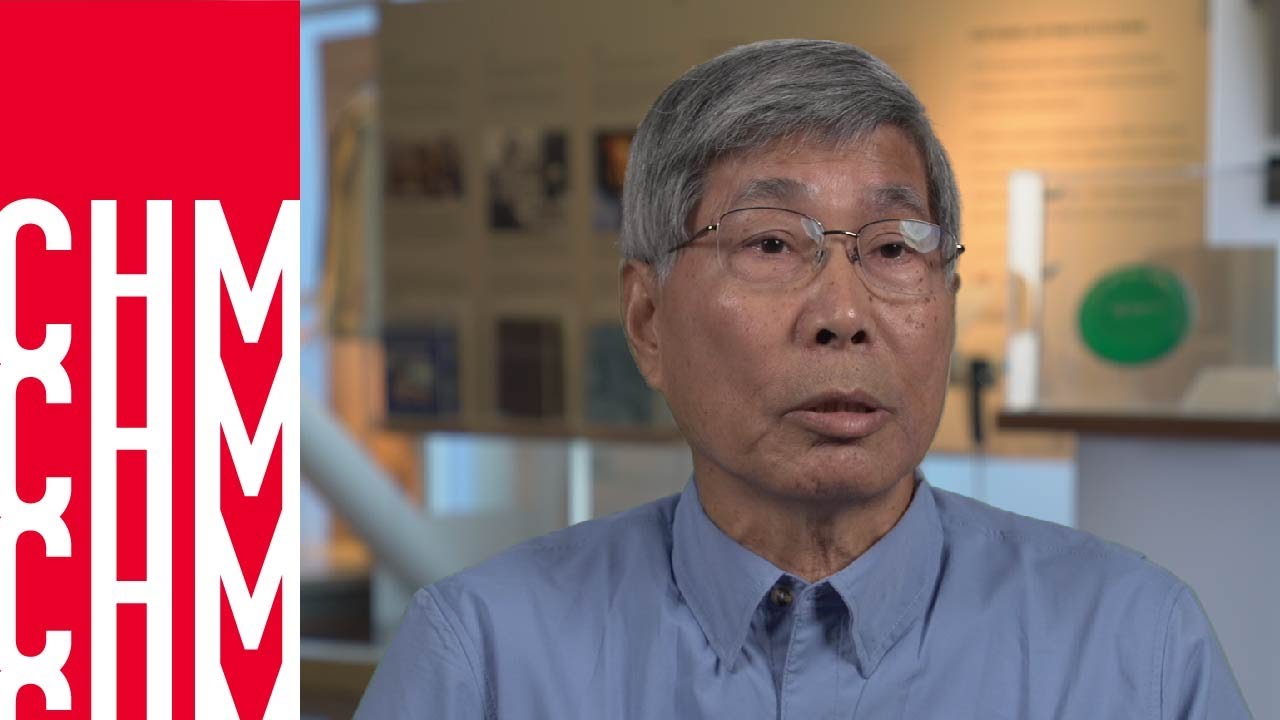
Oral History of Mao-Min Chen
Keywords
Summary
199 words
Critical Evaluation
This oral history provides a valuable first-hand account of the development of magnetic recording head technology, a critical component of hard disk drives. Dr. Chen’s narrative offers unique insights into the technical challenges and industry dynamics from the 1970s through the 2010s. The interview is conducted by Tom Yamashita, who has personal familiarity with the subject, which helps in eliciting detailed recollections. The technical depth is substantial, covering topics such as thin film head fabrication, wafer processing, and the transition from inductive to magnetoresistive heads. Chen’s explanations are clear and accessible, making the content useful for both specialists and those interested in the history of technology. The reliability of the information is generally high, as it is a primary source from a key participant, and the Computer History Museum provides a transcript for verification. However, as with any oral history, there is potential for memory bias or inaccuracies, and the account is necessarily subjective. The interview also touches on business aspects, such as the founding of Headway and its acquisition by TDK, providing a comprehensive view of the industry. The title accurately reflects the content, and the video is well-structured, with a logical progression from Chen’s early life to his career milestones. Overall, this is a high-quality resource for understanding the history of magnetic recording technology and the people behind it.
221 words
Title / Content Match
The title accurately reflects the content, which is an oral history interview with Mao-Min Chen.
Quality & Reliability
8/10
First-hand account by a key figure in the magnetic recording head industry, with detailed technical and historical information. The interview is conducted by the Computer History Museum, a reputable institution, and the transcript is available for verification. However, it is a personal recollection and may contain memory biases.
Key Moments
Markers derived by PSI from the transcript: the creator did not define chapters.
- Introduction of Dr. Mao-Min Chen and his career overview.
- Chen discusses his childhood in Taiwan and his initial lack of academic focus.
- Chen describes his change in attitude during high school and his admission to National Tsing Hua University.
- Chen talks about his undergraduate experience in nuclear engineering and influential professors.
- Chen explains the competitive university entrance exam system in Taiwan.
- Chen discusses his decision to pursue graduate studies in the US and his PhD at the University of Minnesota.
- Chen describes his early work at IBM San Jose on magnetic recording.
- Chen details the development of thin film heads and the challenges faced.
- Chen talks about the founding of Headway Technologies and its early years.
- Chen discusses the acquisition of Headway by TDK and his role as president.
Cited Sources
- Computer History Museum Catalog Entry — Official catalog entry for the interview, providing transcript and metadata.
Concurring Sources
- Computer History Museum Catalog Entry — Official transcript and metadata for the interview.
Contribution & Novelties
This oral history provides a unique first-hand account of the development of magnetic recording head technology, from the perspective of a key engineer and executive. It offers detailed insights into the technical challenges, manufacturing processes, and business decisions that shaped the industry. The interview also sheds light on the career path of a Taiwanese immigrant in the US tech industry.
Pour aller plus loin :
- Magnetoresistive head — Relevant to the technology discussed.
- Thin-film head — Relevant to the manufacturing processes.
- Hard disk drive — Provides context for the application of recording heads.
93 words
Radar Profile
The radar profile shows high scores in quantity and quality of information, reflecting the detailed and reliable content. The technical level is also high, indicating the depth of the discussion. The overall reliability is strong, as this is a primary source from a reputable institution.
💬 No comments were provided for analysis.