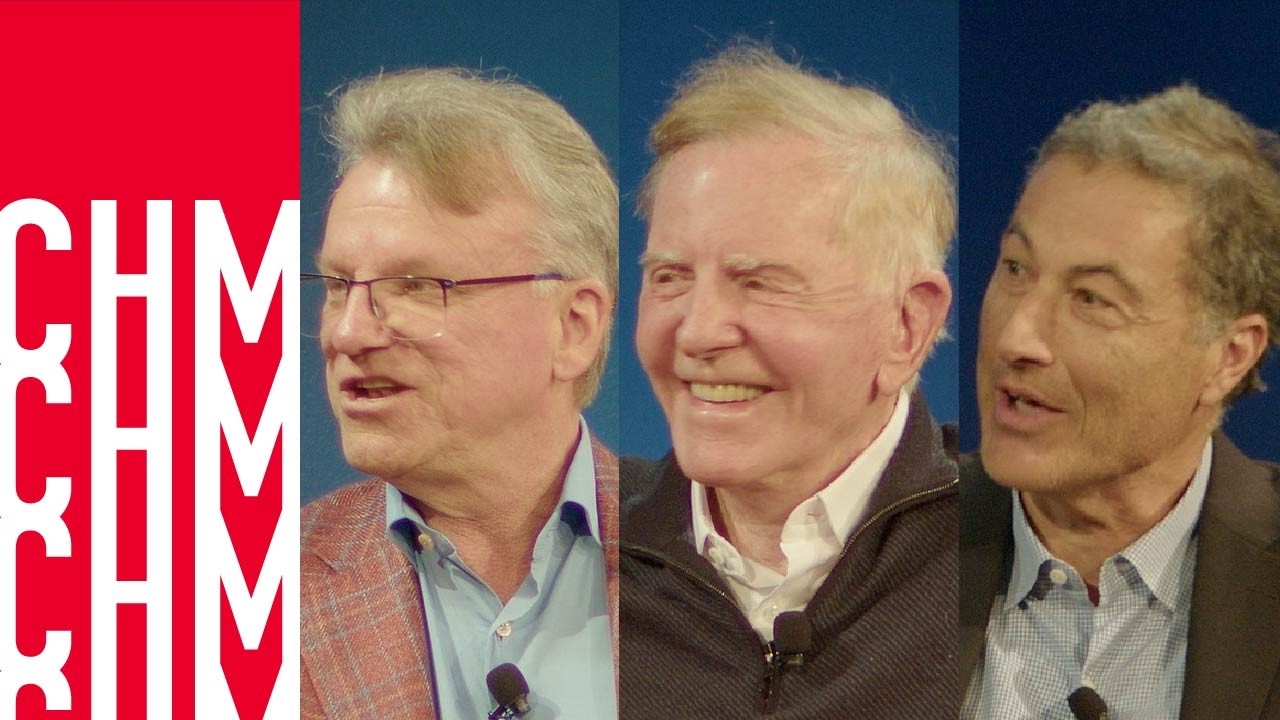
CHM Live | Apple at 50: Five Decades of Thinking Different
Keywords
Summary
162 words
Critical Evaluation
The video offers a rich, first-hand account of Apple’s history, featuring rare appearances by early employees like Bill Fernandez and Ronald Wayne. The presence of these primary sources lends authenticity and depth to the narrative, making it a valuable resource for historians and enthusiasts alike. The moderation by David Pogue, a seasoned technology journalist, ensures a coherent flow and draws out engaging stories. However, the event is inherently celebratory, which may lead to a one-sided portrayal of Apple’s history, glossing over controversies and failures. The discussion is largely anecdotal, with limited critical analysis of Apple’s business practices or the broader implications of its dominance. The technical depth is low, as the focus is on personal recollections rather than engineering details. The sources cited are primarily the participants’ own experiences and the CHM archives, which are credible but not independently verified. The adéquation between title and content is strong, as the video indeed covers five decades of Apple’s history. Overall, the video is an excellent oral history resource, but it should be complemented with more critical sources for a balanced understanding.
180 words
Title / Content Match
The title accurately reflects the content: a panel discussion celebrating Apple's 50th anniversary, with a focus on its history and impact.
Quality & Reliability
8/10
High credibility due to the institutional setting (Computer History Museum), the presence of primary historical figures (Bill Fernandez, Ronald Wayne, John Sculley, etc.), and the use of archival materials. However, the event is a celebration and book promotion, which may introduce bias, and some claims are anecdotal.
Key Moments
Markers derived by PSI from the transcript: the creator did not define chapters.
- Introduction by Mark Ed Kind, CEO of CHM, welcoming attendees and introducing the event.
- David Pogue takes the stage, joking about the sold-out event and thanking the audience.
- Pogue explains the origin of the book, inspired by the Mac 40th anniversary event and his wife's suggestion.
- Pogue discusses the research process, including 150 interviews and access to Apple's archives and CHM's oral histories.
- Video excerpt of an interview with Steve Wozniak, where he reflects on his role in Apple's early success.
- Bill Fernandez, Apple employee #4, is introduced and tells the story of introducing Steve Jobs to Steve Wozniak.
- Ronald Wayne, the third co-founder, makes a surprise appearance and confirms Pogue's account of the founding.
- Panel discussion with former executives John Sculley, Jon Rubinstein, and Avie Tevanian about Apple's evolution.
- Discussion on Apple's impact on culture and design, and the legacy of Steve Jobs.
- Closing remarks and thanks to participants, with a reminder of the book signing downstairs.
Cited Sources
- Apple: The First 50 Years — David Pogue's book, which serves as the basis for the event and is promoted throughout.
- Computer History Museum Oral Histories — Referenced as a resource used for the book and the event.
Concurring Sources
- Apple: The First 50 Years — The book by David Pogue, which aligns with the stories told in the video.
- Computer History Museum Oral Histories — The museum's oral history project, which provided archival material for the book and the event.
Contribution & Novelties
The video provides unique, first-hand accounts from rarely interviewed figures like Bill Fernandez and Ronald Wayne, offering new anecdotes about Apple’s founding. It also highlights the role of the Computer History Museum in preserving tech history.
Pour aller plus loin :
- Apple Inc. - Wikipedia — Overview of Apple’s history and products.
- Steve Jobs - Wikipedia — Biography of Apple’s co-founder.
- Steve Wozniak - Wikipedia — Biography of Apple’s other co-founder.
- Computer History Museum — Official site of the museum hosting the event.
83 words
Radar Profile
The radar profile shows high scores in quantity and quality of information, reflecting the rich historical content and credible speakers. The low technical level indicates the focus on narrative rather than technical details. Overall, the video is a reliable source for historical anecdotes but not for technical analysis.
💬 Sur les 0 commentaires analysés, aucune tendance n'est disponible.