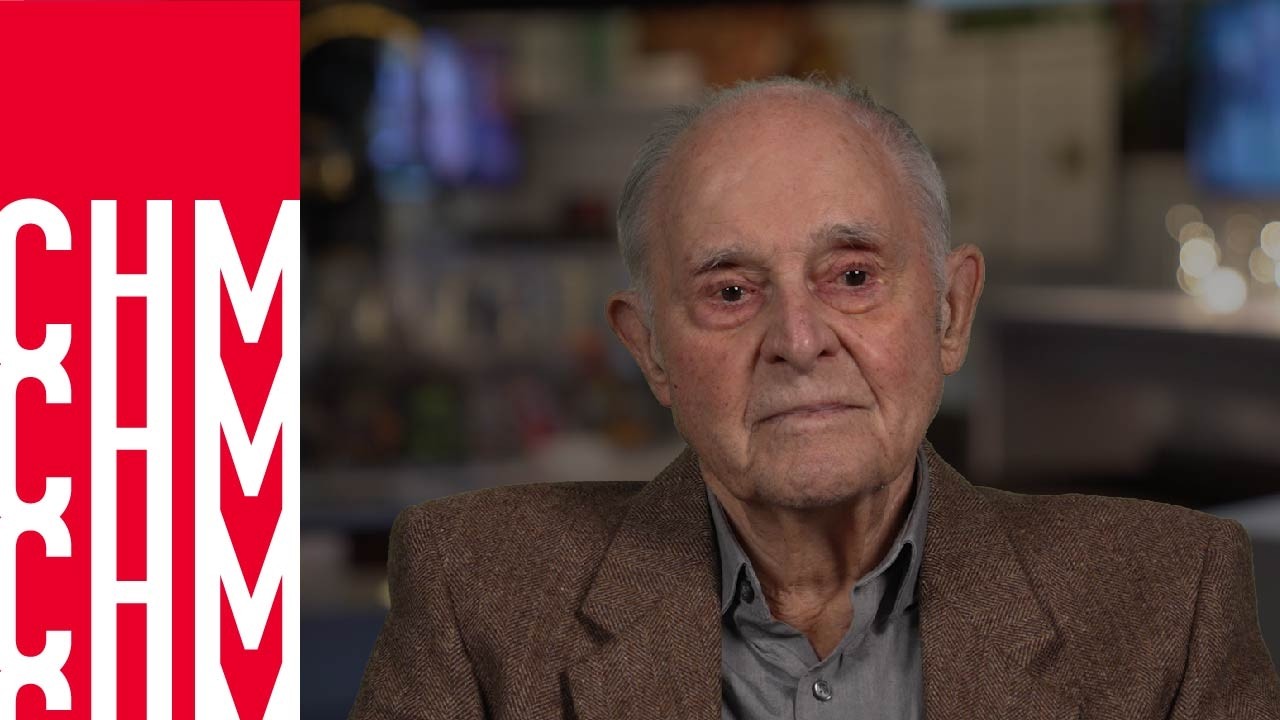
Oral History of John Chowning
Keywords
Summary
160 words
Critical Evaluation
This oral history provides a unique and valuable first-hand account of a pivotal moment in the history of computer music. Chowning’s narrative is rich in technical detail and personal anecdote, offering insights into the creative and collaborative processes that led to FM synthesis and the founding of CCRMA. The interview is conducted in a conversational style, allowing Chowning to elaborate on key moments and reflect on his career. The information is generally reliable, as it comes from the inventor himself, and is corroborated by historical records and the existence of the Yamaha DX7. However, as with any oral history, there is a reliance on memory, and some details may be imprecise or subject to personal interpretation. Chowning is candid about the challenges he faced, including institutional skepticism and the grueling nature of early computing, which adds credibility to his account. The interview also highlights the importance of collaboration and serendipity in scientific discovery. The technical explanations of FM synthesis and the Samson Box are accessible to a general audience while still providing depth for those with technical knowledge. The adéquation between the title and content is perfect, as this is indeed an oral history. The video is a valuable resource for anyone interested in the history of music technology, computer science, or the intersection of art and science.
218 words
Title / Content Match
The title accurately reflects the content: an oral history interview.
Quality & Reliability
8/10
First-hand account by a pioneer, corroborated by historical records and patents, but relies on memory and personal perspective.
Key Moments
Markers derived by PSI from the transcript: the creator did not define chapters.
- Chowning describes his 'aha' moment with recursion, inspired by his composition Stria.
- He recounts the accidental discovery of FM synthesis while experimenting with vibrato.
- Chowning explains the challenges of using timeshared computers at Stanford, working at night to get compute cycles.
- He discusses the importance of collaboration with colleagues like Andy Moorer and John Grey.
- Chowning talks about the impact of the Yamaha DX7 and the democratization of computer music.
- He describes his struggles with the Stanford music department and his eventual full professorship.
- Chowning reflects on his childhood fascination with caves and reverberation.
- He discusses his transition from violin to percussion and his time in the Navy.
- Chowning talks about his studies with Nadia Boulanger and the influence of Stockhausen's 'Gesang der Jünglinge'.
- He explains the licensing of FM synthesis to Yamaha and the development of the DX7.
Cited Sources
- Computer History Museum catalog entry — Official catalog record for the oral history interview, including transcript.
Concurring Sources
- Computer History Museum catalog entry — Official record of the interview, confirming the event and providing transcript access.
Contribution & Novelties
This oral history provides a unique first-person account of the invention of FM synthesis and the early days of computer music at Stanford, offering insights into the creative process and the challenges of pioneering work. It also sheds light on the commercialization of the technology through Yamaha and the founding of CCRMA.
Pour aller plus loin :
- FM synthesis - Wikipedia — Overview of FM synthesis, its history, and technical details.
- CCRMA - Stanford University — Official website of the Center for Computer Research in Music and Acoustics, founded by Chowning.
- Yamaha DX7 - Wikipedia — Details on the iconic synthesizer that popularized FM synthesis.
105 words
Radar Profile
The radar profile shows high scores in quantity and quality of information, reflecting the depth and reliability of the interview. The technical level is moderate, making it accessible to a broad audience. The overall reliability is high due to the first-hand nature of the account.
💬 Sur les 0 commentaires analysés, aucune tendance n'est disponible.