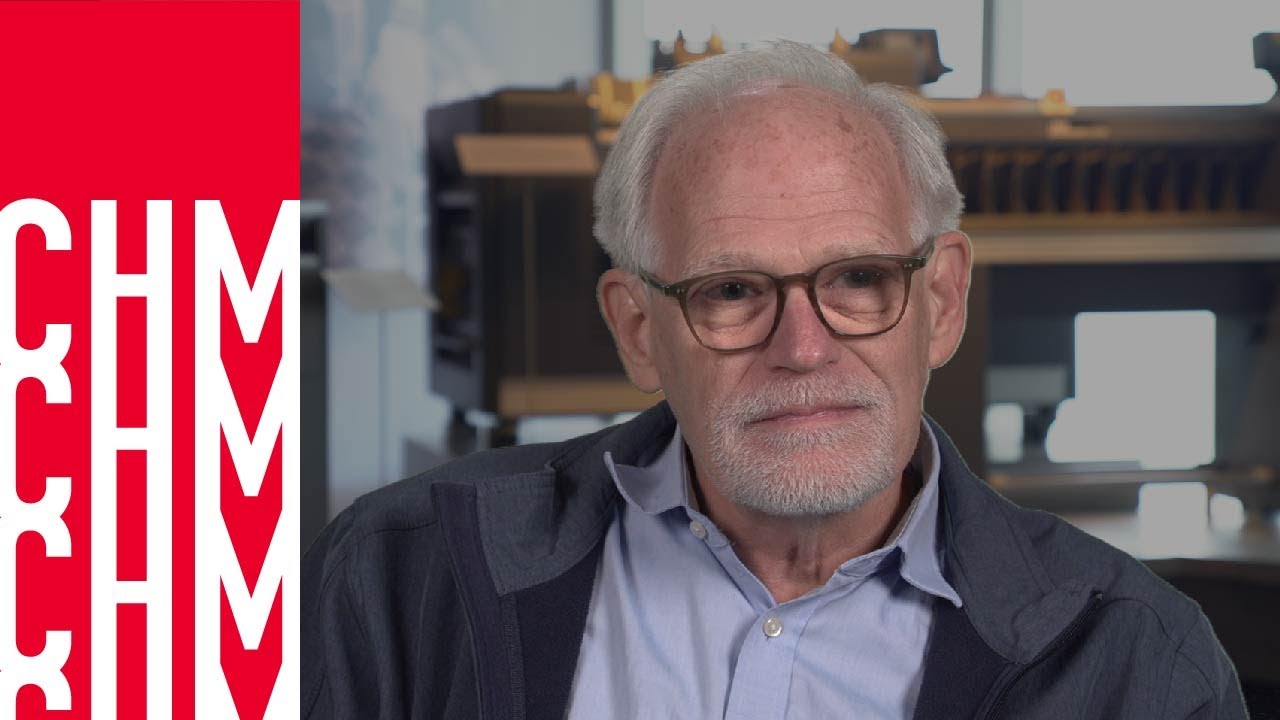
Oral History of Thomas Coughlin
Keywords
Summary
133 words
Critical Evaluation
The interview provides a rich, first-hand account of Thomas Coughlin’s life and career, offering valuable insights into the development of the data storage industry. The narrative is detailed and personal, covering his childhood interests, educational path, and professional milestones. The information is presented in a conversational format, which makes it engaging but also introduces potential biases and memory inaccuracies typical of oral histories. The interviewer, Ron Dennison, guides the discussion effectively, allowing Coughlin to elaborate on key topics. The technical depth is moderate, suitable for a general audience interested in technology history. The sources cited are minimal, primarily the transcript link, which is appropriate for an oral history. The content is well-structured and provides a comprehensive overview of Coughlin’s contributions. However, the lack of external verification and the subjective nature of personal recollections limit the overall reliability. The title accurately reflects the content, and the interview serves as a valuable archival resource. The public comments, if any, were not provided, so no analysis of audience reception is possible. Overall, the interview is a credible and informative account, though it should be viewed as a personal perspective rather than an objective historical analysis.
192 words
Title / Content Match
The title accurately reflects the content, which is an oral history interview with Thomas Coughlin.
Quality & Reliability
8/10
The interview is conducted by a reputable institution (Computer History Museum) and features a recognized expert in data storage. The content is based on personal recollections, which are inherently subjective but generally reliable for historical narrative. The transcript is available for verification.
Key Moments
Markers derived by PSI from the transcript: the creator did not define chapters.
- Introduction of Thomas Coughlin and his background.
- Coughlin discusses his childhood, family, and early interests in science.
- Influences and heroes, including scientists and science fiction authors.
- High school experiences, including chemistry experiments and rock collecting.
- College applications and decision to attend University of Minnesota.
- First job at Honeywell Research after graduation.
- Career progression in data storage, including positions at 3M and Ampex.
- Founding of Coughlin Associates and consulting work.
- Involvement in IEEE and other professional organizations.
- Reflections on the evolution of data storage technology.
Cited Sources
- Computer History Museum Catalog Entry — Official catalog entry for the oral history interview, providing transcript and additional information.
Concurring Sources
- Computer History Museum — Institution that conducted and archived the interview, ensuring its preservation and accessibility.
Contribution & Novelties
This oral history provides a unique first-person account of the career of Thomas Coughlin, offering insights into the personal and professional journey of a key figure in the data storage industry. It complements existing historical records by adding personal anecdotes and perspectives not typically found in technical literature.
Pour aller plus loin :
- Oral history methodology — Provides context on the practice and value of oral history as a research method.
- Data storage industry — Overview of the field in which Coughlin has been active.
- IEEE — Professional organization where Coughlin has held leadership roles.
95 words
Radar Profile
The profile shows high scores in quantity and quality of information, reflecting the detailed and reliable nature of the interview. The technical level is moderate, indicating accessibility to a broad audience. Overall, the interview is a solid historical resource.