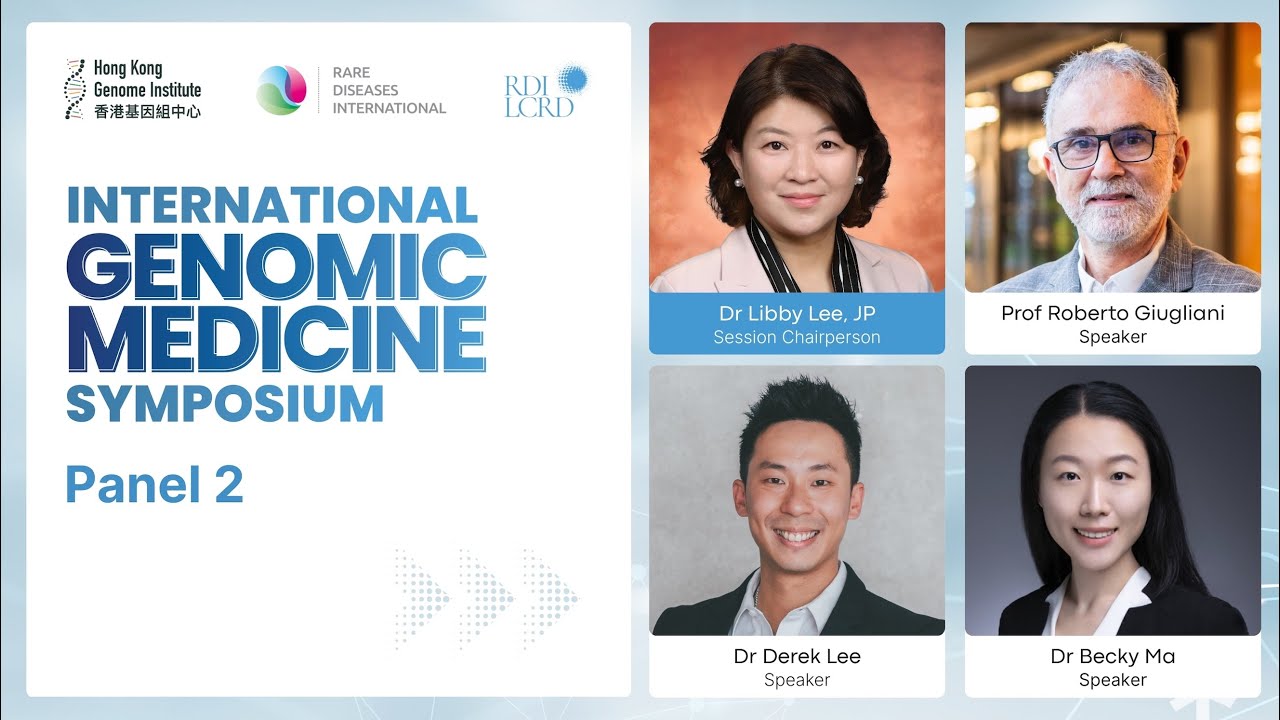
International Genomic Medicine Symposium - Panel 2
Keywords
Summary
167 words
Critical Evaluation
Value of the Information & Strength of the Argument
The value of the information is high, as it provides a comprehensive overview of the current state of genomic medicine in rare diseases, with concrete examples from clinical practice. The argumentation is solid, grounded in established scientific knowledge and clinical evidence. Professor Giugliani’s presentation is particularly strong, offering a clear framework for understanding inborn errors of metabolism and their management. The case presentations by Dr. Lee and Dr. Ma are well-structured and illustrate the practical application of genomic medicine. The panel discussion adds depth by addressing real-world challenges such as healthcare prioritization and cost of therapies.
Scientific Rigor, Source Quality, Title Accuracy
The scientific rigor is high, with speakers citing established references and guidelines. The sources mentioned include the United Nations resolution on rare diseases, the World Health Assembly resolution, and various scientific surveys. The title accurately reflects the content, which is a panel on genomic medicine. The adequacy between title and content is excellent, as the presentations directly address the theme of genomic medicine in rare diseases.
177 words
Title / Content Match
The title accurately reflects the content, which is a panel discussion on genomic medicine, focusing on rare diseases and clinical applications.
Quality & Reliability
8/10
The panel features recognized experts in genomic medicine and rare diseases, presenting clinical cases and evidence-based insights. The content is consistent with current scientific knowledge, though it is a symposium recording rather than peer-reviewed publication.
Key Moments
Markers derived by PSI from the transcript: the creator did not define chapters.
- Introduction of Professor Roberto Giugliani and start of his talk on rare diseases and inborn errors of metabolism.
- Discussion on the prevalence and genetic basis of rare diseases, including the UN resolution.
- Explanation of inborn errors of metabolism, including historical context and classification.
- Overview of diagnostic approaches for inborn errors of metabolism, including newborn screening.
- Dr. Derek Lee begins his talk on cardiomyopathy genomics.
- Case presentation of hypertrophic cardiomyopathy with MYBPC3 mutation.
- Dr. Becky Ma begins her talk on precision medicine in nephrology.
- Case presentation illustrating genomic diagnosis in kidney disease.
- Panel discussion on challenges and future directions in genomic medicine.
Cited Sources
- United Nations Resolution on Rare Diseases — Mentioned by Professor Giugliani as a global policy milestone.
- World Health Assembly Resolution on Rare Diseases — Mentioned as a recent development driving WHO policies.
- Lancet Commission on Rare Diseases — Professor Giugliani is co-chair, and the symposium is co-organized with this commission.
Concurring Sources
- United Nations Resolution on Rare Diseases — Supports the global recognition of rare diseases as a health priority.
- World Health Assembly Resolution on Rare Diseases — Aligns with the call for national policies on rare diseases.
Contribution & Novelties
The panel provides a comprehensive update on the application of genomic medicine to rare diseases, particularly inborn errors of metabolism and cardiomyopathy. It highlights the importance of early diagnosis and the potential of genomic technologies to transform patient care. The case presentations from the Hong Kong Genome Project offer real-world examples of how genomic sequencing can lead to precise diagnoses and guide management.
Pour aller plus loin :
- Inborn errors of metabolism — Overview of the concept and history.
- Lysosomal storage disease — Detailed information on this group of disorders.
- Newborn screening — Explanation of the screening process and its importance.
- Hypertrophic cardiomyopathy — Clinical and genetic aspects of the condition discussed.
112 words
Radar Profile
The radar profile shows high scores in information quantity, quality, and reliability, with a slightly lower technical level, indicating content that is accessible yet scientifically sound. The overall balance suggests a well-rounded presentation suitable for a professional audience.
💬 Sur les 0 commentaires analysés, aucune tendance n'est disponible.