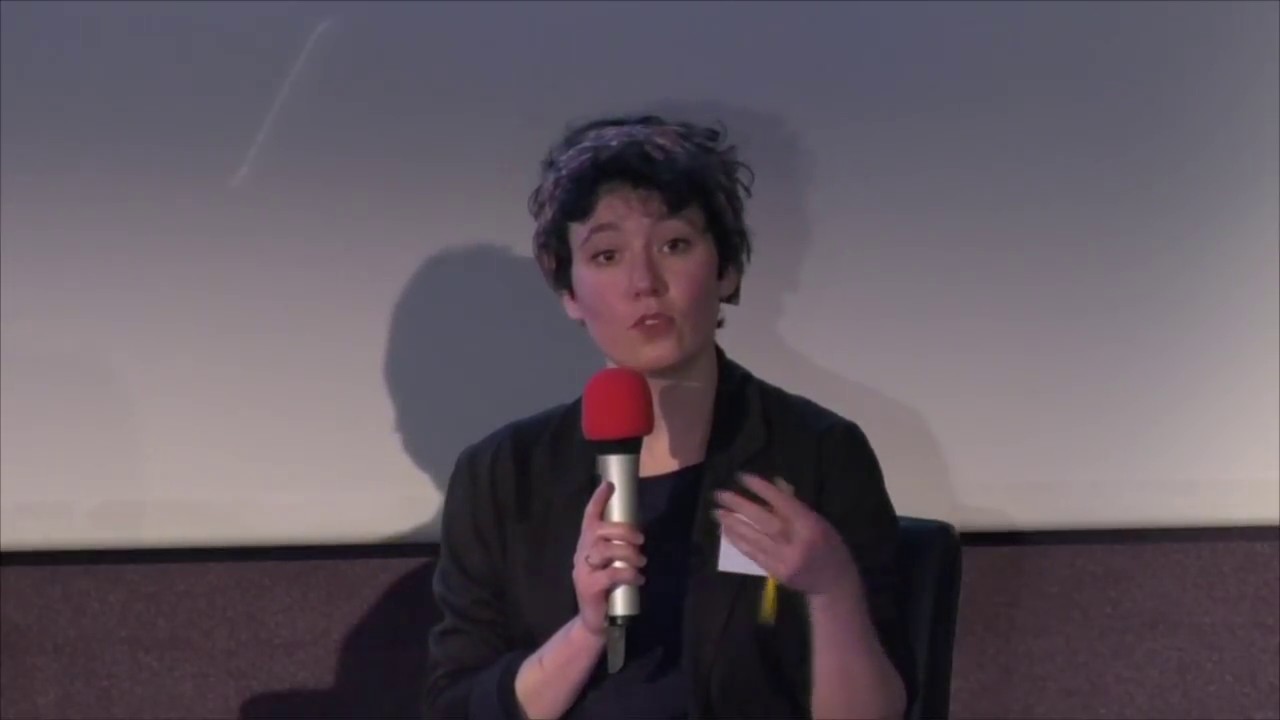
CNRS, 8 mars 2018 : "Les chercheuses de demain". Table ronde : parcours et témoignages
Keywords
Summary
190 words
Critical Evaluation
Value of the Information & Strength of the Argument
The value of the information lies in the authentic personal testimonies of female researchers, which provide concrete insights into the challenges women face in academia. The arguments are supported by references to studies (e.g., Anne Boring’s research on student perceptions) and statistical observations (e.g., the ’leaky pipeline’ phenomenon). The speakers present a nuanced view, acknowledging both progress and persistent obstacles. The argumentation is solid, as it combines personal experience with expert knowledge, though it lacks formal citations.
Scientific Rigor, Source Quality, Title Accuracy
The scientific rigor is moderate: the video is an institutional event, and while the speakers are credible experts, the content is largely based on personal experiences and general observations rather than systematic data. The sources are not explicitly cited, but the speakers reference academic work and institutional reports. The title accurately reflects the content, which is a roundtable discussion on the career paths of female researchers. The video does not include a formal bibliography, but the description provides the program and speaker affiliations.
175 words
Title / Content Match
The title accurately reflects the content: a roundtable discussion on the career paths and testimonies of female researchers, held on March 8, 2018.
Quality & Reliability
8/10
The video is an institutional event organized by the CNRS, featuring established researchers and experts. The discussions are grounded in personal experiences and references to academic studies, but no formal citations are provided. The content is reliable as a testimony and expert opinion, but not as a peer-reviewed source.
Key Moments
Markers derived by PSI from the transcript: the creator did not define chapters.
- Opening by Antoine Petit, President of CNRS
- First roundtable: Obstacles before the career, with presentations by Pascal Barbier, Anne Boring, and Marie Sautier
- Second roundtable: Career paths and testimonies of female researchers, moderated by Anne Revillard
- Third roundtable: Possible actions, moderated by Catherine Marry
- Conclusion by Elisabeth Kohler
Cited Sources
- CNRS - Mission pour la place des femmes — Institutional page of the CNRS mission for women's place, mentioned as organizer of the event.
- L'Oréal-UNESCO For Women in Science — Mentioned by Suzanne Lutfalla as the source of her fellowship.
Concurring Sources
- UNESCO Science Report — Global report on gender equality in science, consistent with the issues raised.
Contribution & Novelties
The video provides a valuable platform for female researchers to share their personal experiences, highlighting the subtle and overt barriers they face. It contributes to the ongoing discourse on gender equality in academia by offering diverse perspectives from different disciplines and career stages. The discussions emphasize the importance of role models, mentorship, and institutional policies.
Pour aller plus loin :
- Leaky pipeline phenomenon — Explains the gradual attrition of women in STEM fields.
- Unconscious bias in academia — Discusses how implicit biases affect hiring and evaluation.
- Work-life balance in academia — Relevant to the challenges mentioned by the speakers.
99 words
Radar Profile
The radar profile shows high scores in information quality and reliability, reflecting the credibility of the speakers and the institutional context. The lower score in technical level indicates that the content is accessible to a general audience, focusing on personal narratives rather than technical details.