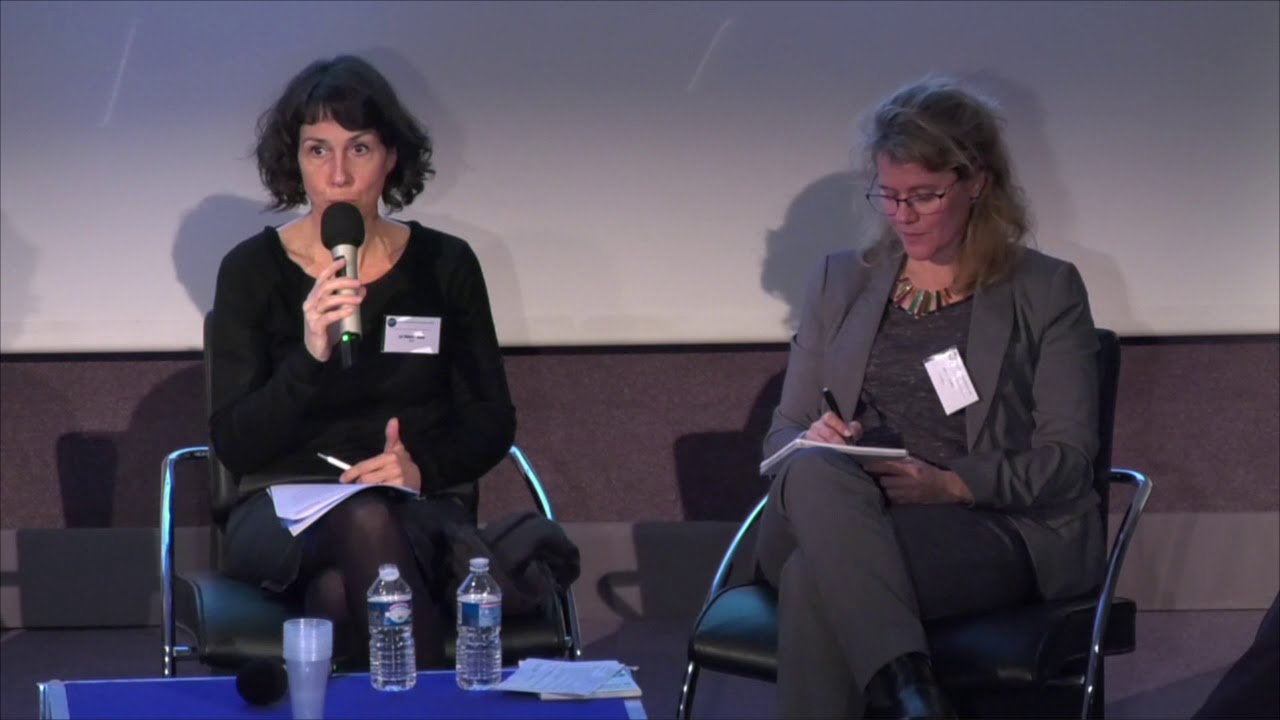
CNRS, 8 mars 2018 : "Les chercheuses de demain". Table ronde : quelles pistes d'action?
Keywords
Summary
199 words
Critical Evaluation
Value of the Information & Strength of the Argument
The value of the information lies in its practical, experience-based insights from individuals directly involved in equality initiatives. The panelists provide concrete examples of successful programs, such as mentoring and training, and discuss their impact. The argumentation is solid, grounded in institutional experiences and observations, though it lacks quantitative data or formal evaluations. The discussion is balanced, acknowledging both progress and persistent challenges, such as harassment and recruitment biases. The panelists’ diverse backgrounds (from physics to sociology) enrich the debate, offering multiple perspectives on the issue.
Scientific Rigor, Source Quality, Title Accuracy
The scientific rigor is moderate; the content is based on personal experiences and institutional reports rather than peer-reviewed studies. The sources cited are primarily the panelists’ own initiatives and institutional programs, which are credible but not formally referenced. The title accurately reflects the content, focusing on action plans. The discussion is well-structured and aligns with the colloquium’s theme. However, the lack of formal citations and statistical evidence limits its scientific rigor. The panelists do mention some data, such as the percentage of female candidates in a program, but these are anecdotal.
192 words
Title / Content Match
The title accurately reflects the content, which focuses on action plans for gender equality in research careers.
Quality & Reliability
8/10
The video is an official CNRS roundtable featuring researchers and equality officers from various institutions, providing credible testimonies and institutional perspectives. The content is well-structured and based on practical experiences, though it lacks formal citations and statistical data in the transcription.
Key Moments
Markers derived by PSI from the transcript: the creator did not define chapters.
- Introduction by moderator Catherine Marry, outlining the roundtable's focus on action plans.
- May Morris presents the mentoring program for female PhD students, highlighting its three axes: individual exchanges, training, and collective events.
- Anne Le Friant discusses actions at IPGP, including training, awareness campaigns, and the externalized harassment reporting system.
- Claire Lemercier talks about the CNRS Scientific Council's efforts, such as inclusive writing and addressing recruitment biases.
- Michel Bozon shares his experience with the Institut Emilie du Châtelet and the Institut du Genre, emphasizing the importance of institutionalizing gender research.
- Valérie Reita describes actions at Institut Néel, including the Springboard program and return-to-work interviews after maternity leave.
- Discussion on the challenges of recruitment and the need for structural changes to support women in science.
- Panelists propose further actions, such as better mentoring and institutional support, and address the issue of harassment.
- Conclusion by moderator Catherine Marry, summarizing key points and emphasizing the need for continued efforts.
Cited Sources
- Mission pour la Place des Femmes au CNRS — The mission is the organizing body of the colloquium and is mentioned throughout the discussion.
- Femmes & Sciences — May Morris mentions her involvement in the Femmes & Sciences association and its mentoring program.
- Institut du Genre — Michel Bozon discusses the Institut du Genre and its role in supporting gender research.
- Institut Emilie du Châtelet — Michel Bozon mentions the Institut Emilie du Châtelet, which supported gender research in the Île-de-France region.
- Programme INTEGER — Valérie Reita mentions the European INTEGER project, which funded equality actions in research institutions.
Concurring Sources
- Mission pour la Place des Femmes au CNRS — The mission's official page provides information on its activities, which align with the video's content.
- Femmes & Sciences — The association's website describes its mentoring program, which is discussed in the video.
- Institut du Genre — The institute's website provides details on its activities, which are mentioned by Michel Bozon.
Contribution & Novelties
The video provides a comprehensive overview of concrete actions taken by various CNRS institutes and associations to promote gender equality in scientific careers. It highlights innovative approaches such as mentoring programs, externalized harassment reporting, and inclusive writing. The discussion offers practical insights and lessons learned from implementing these initiatives, which can serve as models for other institutions.
Pour aller plus loin :
- Mentoring in academia — Provides background on mentoring as a tool for career development.
- Gender equality in research — EU policy context on gender equality in research.
- Unconscious bias in academia — Discusses how unconscious bias affects recruitment and evaluation.
- Work-life balance policies — Relevant to the challenges faced by early-career researchers.
- Harassment reporting mechanisms — Overview of harassment and reporting systems.
124 words
Radar Profile
The radar profile shows high scores in quantity and quality of information, reflecting the rich content and credible sources. The technical level is moderate, as the discussion is accessible to a general audience. The overall reliability is high, given the institutional context and expert panelists.
💬 Sur les 0 commentaires analysés, aucune tendance n'est disponible.