Technology criteria for nuclear in maritime
Keywords
Summary
143 words
Critical Evaluation
Value of the Information & Strength of the Argument
The value of the information is high for stakeholders interested in the practical deployment of nuclear propulsion. The speakers provide a clear framework of criteria (regulatory readiness, scalability, manufacturability, operational simplicity, exportability) and argue for a phased approach using mature technology first. The argumentation is solid, grounded in the speakers’ extensive experience in naval and commercial nuclear applications. They acknowledge challenges (cost, training, liability) and propose concrete steps (pilot projects, bilateral agreements). The discussion is forward-looking and pragmatic, avoiding overly optimistic claims.
Scientific Rigor, Source Quality, Title Accuracy
The panel is composed of recognized experts, lending credibility. However, no specific sources or data are cited; the discussion is based on professional judgment. The title accurately reflects the content. The adequacy between title and content is strong. No public comments were provided for analysis.
142 words
Title / Content Match
The title accurately reflects the content, which focuses on technology criteria for nuclear applications in maritime.
Quality & Reliability
7/10
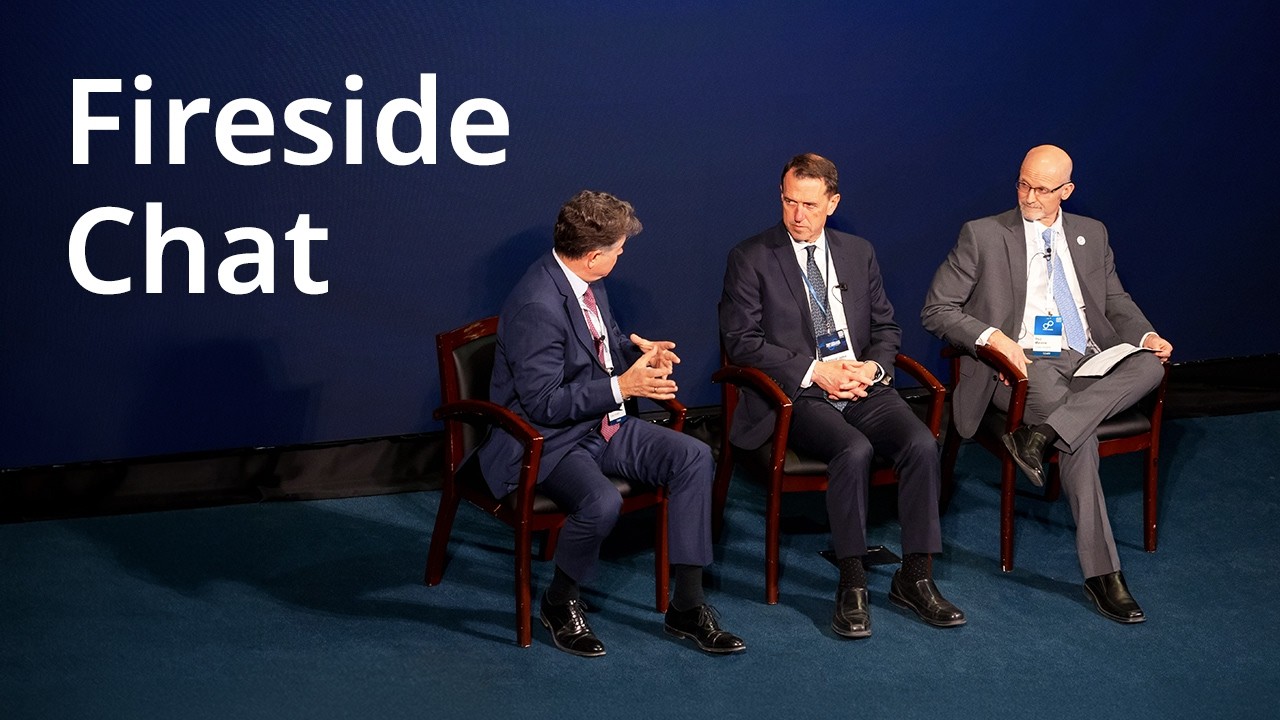
Panel discussion with senior experts (Admiral John Richardson, Phil Malone, Mikal Bøe) providing informed opinions on technology selection and deployment criteria for maritime nuclear propulsion. No formal citations or data, but expertise is high. Discussion is forward-looking and strategic, not a scientific study.
Key Moments
Markers derived by PSI from the transcript: the creator did not define chapters.
- Introduction by Mikal Bøe on the need for technology-agnostic approach and acceleration.
- Admiral Richardson outlines criteria: regulatory readiness, scalability, manufacturability, operational simplicity, exportability.
- Phil Malone discusses technology readiness levels and the need for TRL 6-7 for demonstration.
- Discussion on power sweet spot (100 MW electric) and economic considerations.
- Proposal for a floating nuclear power plant pilot by 2029.
- Discussion on civil liability and the US-UK nuclear shipping corridor as a pilot.
- Emergency planning zones and the need to shrink them for port access.
- Safety fundamentals: reactivity control, heat removal, radionuclide containment.
- Potential Jones Act modifications and foreign investment in shipyards.
- Concluding remarks on the path forward and the importance of practical steps.
Contribution & Novelties
The video provides a practical framework for technology selection in maritime nuclear propulsion, emphasizing a phased approach from existing Gen III PWRs to advanced Gen IV reactors. It highlights the importance of pilot projects and international agreements to overcome regulatory and liability barriers.
Pour aller plus loin :
- Nuclear propulsion — Overview of nuclear propulsion technologies.
- Technology readiness level — Explanation of TRL scale used in the discussion.
- Floating nuclear power plant — Context on floating nuclear power concepts.
79 words
Radar Profile
The radar profile shows balanced scores across all dimensions, with slightly lower technical depth due to the strategic nature of the discussion. The high reliability and information quality reflect the expertise of the panelists.