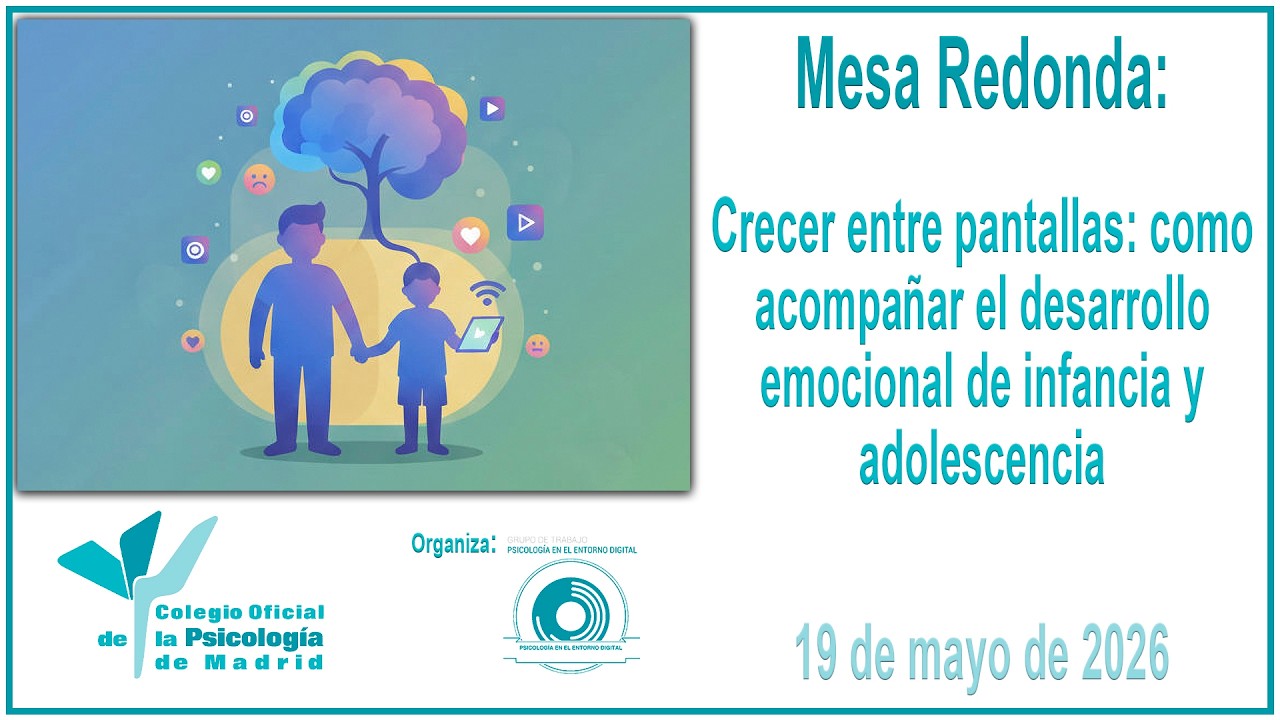
Crecer entre pantallas: Cómo acompañar el desarrollo emocional de infancia y adolescencia
Keywords
Summary
164 words
Critical Evaluation
Value of the Information & Strength of the Argument
The video provides valuable, practical information for parents and professionals, grounded in clinical experience and current pediatric guidelines. The speakers effectively argue that screens are not inherently harmful but that excessive and unsupervised use can disrupt development. They support their points with concrete examples from clinical practice, such as sleep disturbances and obesity, and reference the Spanish Association of Pediatrics’ recommendations. The argumentation is coherent and persuasive, emphasizing prevention and the importance of adult modeling. However, the discussion lacks in-depth scientific citations and relies more on anecdotal evidence than on detailed research findings.
Scientific Rigor, Source Quality, Title Accuracy
The scientific rigor is moderate. The speakers reference the Spanish Association of Pediatrics’ 2024-2025 recommendations, which are based on scientific evidence, but they do not provide specific studies or data. The sources are credible but not extensively cited. The title accurately reflects the content, which focuses on accompanying emotional development in the context of screens. The discussion is well-structured and aligns with the title, though it could benefit from more explicit references to research literature.
183 words
Title / Content Match
The title accurately reflects the content, which focuses on guiding emotional development in childhood and adolescence in the context of screen use.
Quality & Reliability
7/10
The video features qualified professionals (a pediatrician, a family doctor, and a psychologist) discussing evidence-based recommendations from the Spanish Association of Pediatrics. The content is practical and grounded in clinical experience, but lacks detailed citations to specific studies, which limits its scientific rigor.
Key Moments
Markers derived by PSI from the transcript: the creator did not define chapters.
- Introduction: The moderator discusses the loss of street play and its impact on child development.
- Pediatrician Trinidad García Alegre presents the Spanish Association of Pediatrics' screen time recommendations.
- Discussion on the impact of screens on sleep and the importance of melatonin.
- The pediatrician emphasizes the need for parental modeling and setting an example.
- The psychologist discusses the emotional and social consequences of excessive screen use.
- The family doctor talks about the link between screen time and physical health issues like obesity.
- The speakers answer questions from the audience about practical strategies for limiting screen time.
- Discussion on the role of schools in managing screen use.
- The speakers emphasize the importance of a multidisciplinary approach.
- Closing remarks summarizing key takeaways.
Cited Sources
- Asociación Española de Pediatría (AEP) recommendations on screen use — The pediatrician references the AEP's 2024-2025 updated recommendations for screen time in children and adolescents.
Concurring Sources
- American Academy of Pediatrics: Screen Time Guidelines — The AAP provides similar recommendations to the AEP, emphasizing limits on screen time and the importance of parental involvement.
Dissenting Sources
- Some studies suggest moderate screen use may have benefits — While the video focuses on risks, some research indicates that not all screen time is harmful and that educational content can have positive effects. The speakers do not address this nuance.
Contribution & Novelties
The video offers a practical, multidisciplinary perspective on managing screen use in childhood and adolescence, emphasizing prevention and the role of parents and professionals. It provides concrete recommendations from the Spanish Association of Pediatrics and highlights the importance of modeling healthy behavior.
Pour aller plus loin :
- American Academy of Pediatrics: Screen Time Guidelines — Provides evidence-based recommendations for screen use in children.
- World Health Organization: Guidelines on physical activity, sedentary behaviour and sleep for children under 5 years of age — Offers global guidelines on screen time and physical activity for young children.
- Common Sense Media: Screen Time Research — Summarizes research on the effects of media on children’s development.
111 words
Radar Profile
The radar profile shows balanced scores across information quantity, quality, and reliability, with a slightly lower technical level, reflecting the practical and accessible nature of the discussion. The high reliability score indicates that the content is trustworthy and based on professional expertise.