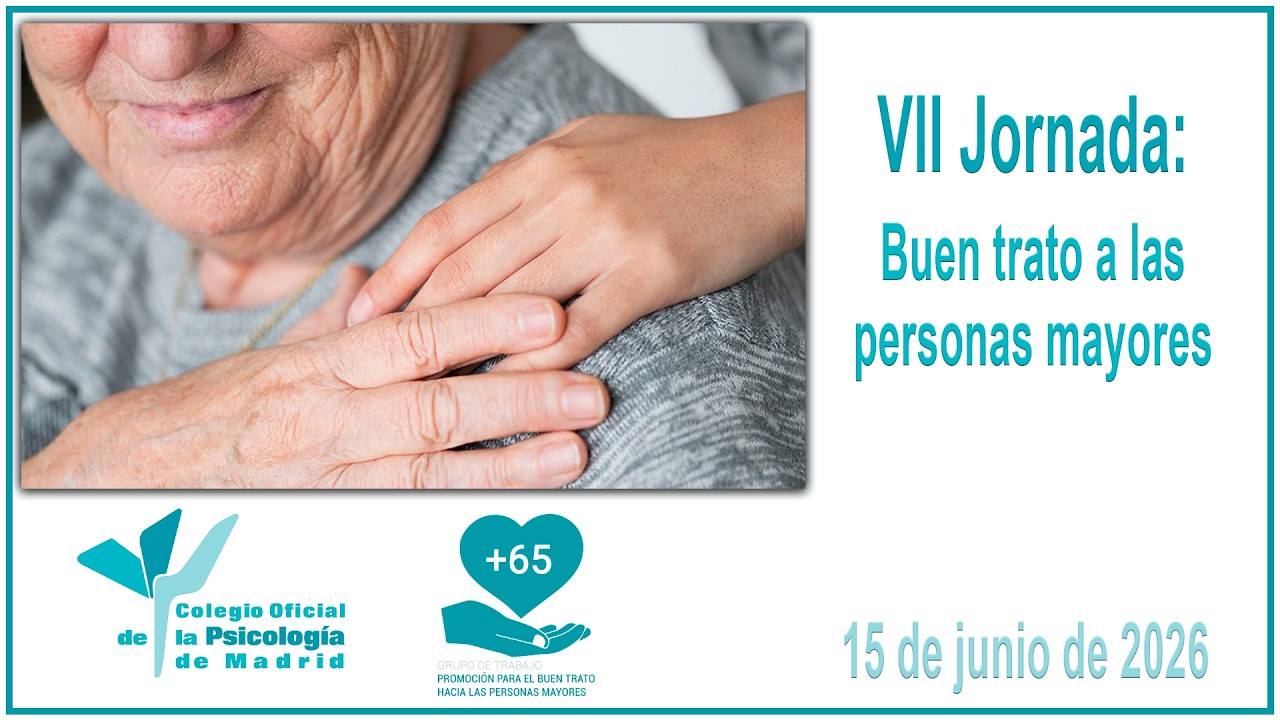
VII Jornada de buen trato a las personas mayores 15-06-26
Keywords
Summary
202 words
Critical Evaluation
Value of the Information & Strength of the Argument
The value of the information is high, as it presents a validated instrument for assessing good treatment in institutional settings, which is a relatively underdeveloped area. The speaker provides a clear rationale for the scale’s development, including a literature review and expert consultation. The argumentation is solid, supported by references to WHO models and the Missing Voices study. The presentation is well-structured, moving from general concepts to specific applications, and includes practical examples. The speaker also acknowledges limitations and areas for improvement, which adds credibility.
Scientific Rigor, Source Quality, Title Accuracy
The scientific rigor is evident in the systematic approach to scale development and validation, with over 300 professionals participating. The sources cited include the WHO and the Missing Voices study, which are reputable. The title accurately reflects the content, and the conference is organized by a professional body, lending authority. The presentation is consistent with current literature on elder care and person-centered approaches. No comments were provided, so no analysis of public trends is included.
175 words
Title / Content Match
The title accurately reflects the content: a conference on good treatment of older adults, matching the event name and date.
Quality & Reliability
8/10
The conference features expert speakers with academic credentials and practical experience, presenting a validated scale and research results. The content is well-structured and evidence-based, though it is a recorded event with limited external verification.
Key Moments
Markers derived by PSI from the transcript: the creator did not define chapters.
- Introduction by Ester Camacho, welcoming attendees and introducing the theme.
- Gema Pérez Rojo begins her presentation on the Chair of Good Treatment.
- Discussion on the concept of good treatment and its definitions.
- Presentation of the scale development and validation process.
- Explanation of the four factors of the scale: humanization, empowerment, respect, and infantilization.
- Discussion on the importance of addressing infantilization and ageism.
- Description of the Chair's mission and ongoing research.
- Results from a study with social workers showing increased awareness and reduced negative attitudes.
Cited Sources
- Organización Mundial de la Salud - Envejecimiento saludable — Referenced as a model for healthy aging and the Decade of Healthy Ageing.
- Missing Voices: Views of Older Persons on Elder Abuse — Study from 2002 mentioned to support the importance of listening to older people's perspectives.
Concurring Sources
- World Health Organization - Elder Abuse — WHO fact sheet on elder abuse, consistent with the conference's focus.
Contribution & Novelties
The video presents a novel contribution: a validated scale for measuring good treatment in institutional settings, which is a gap in the literature. The scale’s four factors provide a practical framework for intervention. The emphasis on infantilization as a subtle form of mistreatment is particularly insightful.
Pour aller plus loin :
- World Health Organization - Ageing — Official WHO resources on healthy ageing.
- International Day for the Elimination of Violence against Women — Related UN observance, though not directly about elder abuse.
- Ageism in Healthcare — Academic article on ageism in healthcare settings.
93 words
Radar Profile
The radar profile shows high scores in quantity and quality of information, and moderate technical level, indicating a well-balanced presentation suitable for a professional audience. The high reliability score reflects the use of validated instruments and expert speakers.