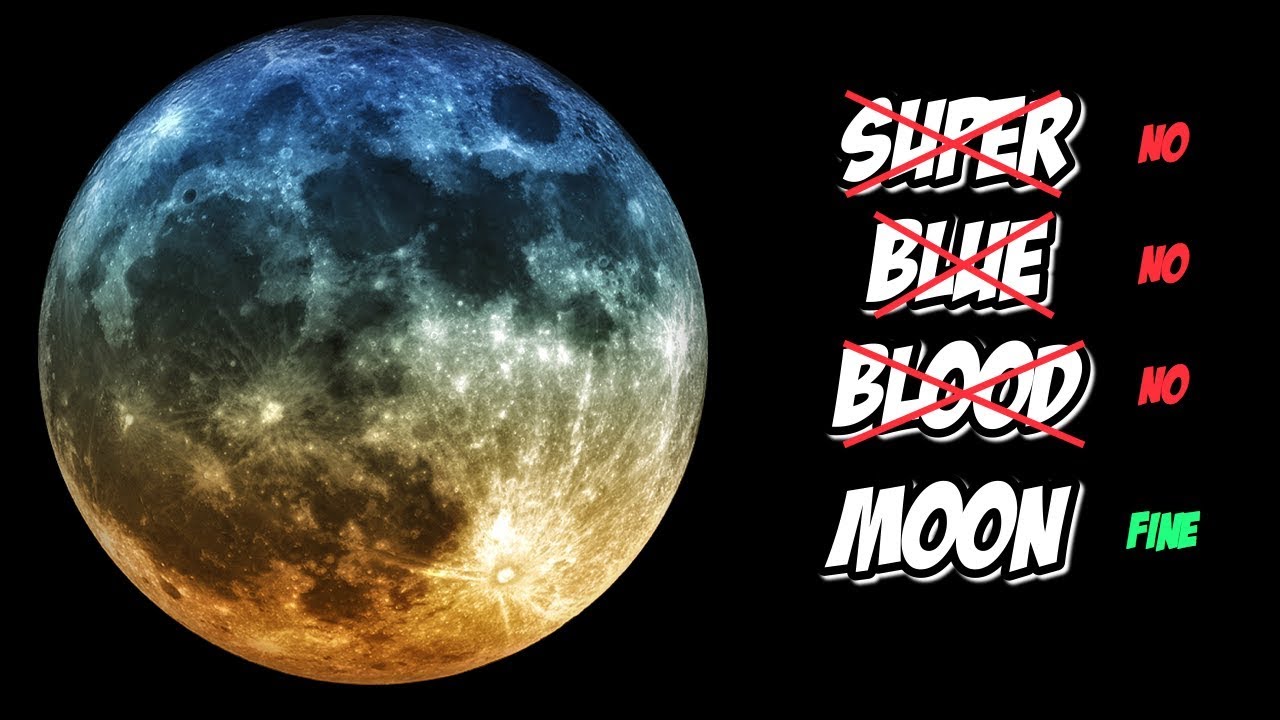
The Non-Super Non-Blue Non-Blood Moon
Keywords
Summary
157 words
Critical Evaluation
Value of the Information & Strength of the Argument
The video provides valuable educational content by clarifying common astronomical misconceptions. The argumentation is solid, based on established astronomical definitions and historical context. The host effectively uses analogies (e.g., the 16-inch vs 15-inch pizza) to illustrate the minor physical differences of a supermoon. The explanation of the lunar eclipse’s red color is accurate and well-presented. The video also raises a thoughtful question about the balance between public engagement and scientific accuracy, adding depth to the discussion.
Scientific Rigor, Source Quality, Title Accuracy
The video demonstrates scientific rigor by correctly explaining the origins of the terms and citing the historical error in Sky & Telescope magazine. The host, a professional astrophysicist, provides accurate information. The title is perfectly aligned with the content, which systematically debunks the ‘super’, ‘blue’, and ‘blood’ aspects. The description includes links to the Cool Worlds Lab and Columbia University’s astronomy department, which serve as credible institutional sources, though no specific research papers are cited in the video itself.
170 words
Title / Content Match
The title accurately reflects the content, which systematically debunks the 'super', 'blue', and 'blood' aspects of the event.
Quality & Reliability
8/10
The video provides a scientifically accurate explanation of the terms 'supermoon', 'blue moon', and 'blood moon', debunking common misconceptions. The host, an astrophysicist, presents the information clearly and correctly, with appropriate caveats about historical errors and the minor physical effects. The content is reliable and well-suited for a general audience.
Key Moments
Markers derived by PSI from the transcript: the creator did not define chapters.
- Introduction to the hype and the video's purpose.
- Explanation of the 'blue moon' term and its erroneous origin.
- Discussion of the 'supermoon' term, its astrological origin, and the minor physical effects.
- Explanation of the 'blood moon' as a lunar eclipse and the reason for its red color.
- Recap of the terms and the scientific name for the event: perigee lunar eclipse.
- Question to the audience about the value of exaggerated terms for public engagement.
Cited Sources
- Cool Worlds Lab — The host's research lab website, providing background on the channel and its research.
- Columbia University Department of Astronomy — The host's academic department, lending credibility to the content.
- StarTalk Radio — Source of the Neil deGrasse Tyson clips used in the video.
- 8-bit Universe - Harder Better Faster Stronger [8 Bit Cover Tribute to Daft Punk] — Outro music used in the video.
Concurring Sources
- NASA - Supermoon — NASA's definition of a supermoon, consistent with the video's explanation.
- Time and Date - Blue Moon — Explains the different definitions of a blue moon, including the erroneous one mentioned in the video.
Contribution & Novelties
The video offers a clear and engaging debunking of popular astronomical misnomers, providing historical context and scientific explanations. It adds value by addressing the tension between scientific accuracy and public engagement, a relevant discussion for science communicators.
Pour aller plus loin :
- Lunar eclipse — For more details on the phenomenon of lunar eclipses.
- Blue moon — Historical and modern definitions of the term.
- Supermoon — Definition and physical characteristics of supermoons.
72 words
Radar Profile
The radar profile shows high scores in information quality and reliability, with moderate scores in quantity and technical level. This reflects a video that is scientifically accurate and well-explained, but not extremely dense or highly technical, making it accessible to a general audience.