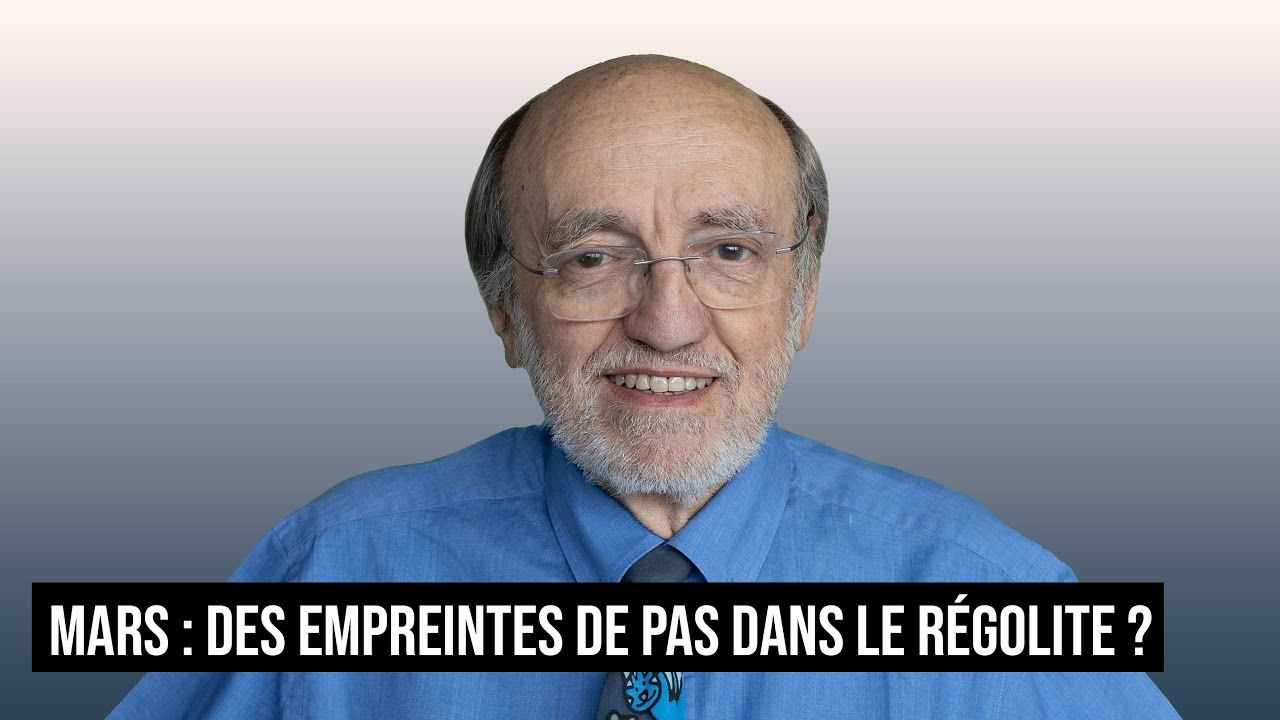
MARS : DES EMPREINTES DE PAS DANS LE RÉGOLITE ?
Keywords
Summary
165 words
Critical Evaluation
The video provides a comprehensive and well-structured overview of the key aspects of human Mars exploration, delivered by an expert in the field. Michel Viso’s background as an exobiologist and his involvement in space missions lend credibility to the content. The discussion is scientifically accurate, particularly in explaining the Hohmann transfer orbits and the trade-offs between different mission architectures. The distinction between conjunction and opposition class missions is clearly presented, including the implications for mission duration, radiation exposure, and propulsion requirements. The emphasis on the political nature of space exploration is a valuable perspective, often overlooked in purely technical discussions. The scientific objectives are well articulated, focusing on the search for life and understanding Mars’ evolution. However, the video lacks specific citations or references to studies, which would enhance its scientific rigor. The mention of the Mars Sample Return program is brief and does not delve into the current challenges and controversies. The title, while catchy, is somewhat misleading as the video does not specifically address the regolith or footprints in detail. Overall, the content is informative and reliable, but it could benefit from more depth and references. The absence of comments in the provided data prevents an analysis of public reception.
202 words
Title / Content Match
The title is catchy and relevant, as the video discusses the prospect of human footprints on Mars, though it focuses more on the broader context of Mars exploration than on the regolith itself.
Quality & Reliability
8/10
The speaker is an exobiologist with extensive experience in space exploration, providing a well-structured and scientifically grounded overview of the challenges and objectives of human Mars missions. The content is consistent with current knowledge in astrobiology and spaceflight mechanics, though it lacks detailed citations and some technical specifics.
Key Moments
Markers derived by PSI from the transcript: the creator did not define chapters.
- Introduction: the goal of planting a flag on Mars as a political statement.
- Why Mars: political, scientific, and economic motivations.
- Hohmann transfer orbits and the 26-month launch windows.
- Comparison of conjunction and opposition class missions.
- Scientific objectives: searching for life and understanding Mars' history.
- Mars Sample Return program and the importance of water.
- Conclusion: the book 'Mars and the Earthling' and future prospects.
Cited Sources
- Astrobioeducation — Mentioned in the video description as a resource for astrobiology education.
Concurring Sources
- NASA Mars Exploration Program — Official NASA resource on Mars missions, consistent with the video's discussion of robotic and future human exploration.
Contribution & Novelties
The video provides a concise and expert synthesis of the current state of human Mars exploration, highlighting the political drivers and technical challenges. It offers a clear comparison of mission architectures and emphasizes the scientific opportunities. The speaker’s perspective as an exobiologist adds depth to the discussion of life detection.
Pour aller plus loin :
- Mars Sample Return — Overview of the MSR program and its challenges.
- Hohmann transfer orbit — Explanation of the orbital mechanics used for interplanetary travel.
- Human mission to Mars — Comprehensive article on proposed missions and challenges.
92 words
Radar Profile
The radar profile shows high scores in information quantity, quality, and reliability, with a slightly lower technical level, indicating content that is dense and credible but accessible to a general audience.