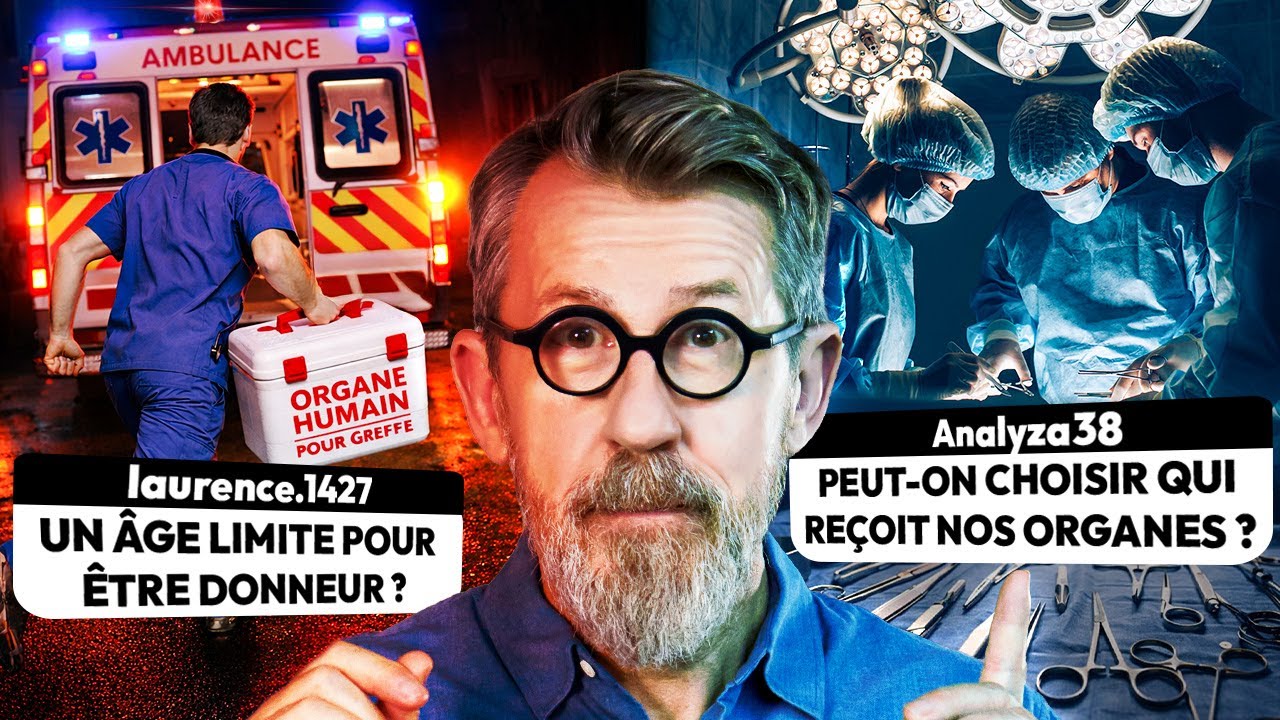
Peut-on choisir à qui on donne ses organes ?
Keywords
Summary
109 words
Critical Evaluation
The video provides a comprehensive and accurate overview of organ donation in France, leveraging the expertise of the French biomedicine agency. The information is presented clearly, with a logical progression from general concepts to specific details. The legal aspects, such as presumed consent and the national refusal registry, are explained accurately, and the emphasis on discussing one’s wishes with family is well-founded. The allocation algorithm is described as fair and based on medical urgency and compatibility, which aligns with ethical guidelines. The technical details on organ preservation are precise, including specific time limits for different organs. The video also addresses common misconceptions, such as age limits and the condition of the body after donation. The collaboration with the biomedicine agency lends credibility, and the content is consistent with official sources. However, the video could have delved deeper into the ethical dilemmas of organ allocation and the potential for organ trafficking, which are only briefly mentioned. The production quality is high, with engaging visuals and clear explanations. Overall, the video is a valuable educational resource that effectively informs the public about organ donation.
182 words
Title / Content Match
The title is a question that is directly answered in the video, focusing on the possibility of choosing recipients, which is a key aspect of the content.
Quality & Reliability
8/10
The video is produced in collaboration with the French biomedicine agency, ensuring accurate and up-to-date information. It covers legal, medical, and ethical aspects of organ donation, with clear explanations and statistics. The content is well-structured and aligns with official guidelines.
Chapters
Cited Sources
- Jamy Epicurieux YouTube Channel — Channel subscription link mentioned in the description.
Concurring Sources
- Agence de la biomédecine — Official agency that manages organ donation in France, consistent with the video's information.
Contribution & Novelties
The video offers a clear and accessible explanation of organ donation in France, addressing common questions and misconceptions. It highlights the legal principle of presumed consent and the importance of family communication. The explanation of the allocation algorithm and preservation techniques is particularly informative.
Pour aller plus loin :
- Agence de la biomédecine — Official French agency for organ donation, providing detailed statistics and guidelines.
- Organ transplantation - World Health Organization — Global perspective on transplantation practices and ethics.
- Presumed consent - Wikipedia — Overview of the legal concept of presumed consent in organ donation.
95 words
Radar Profile
The radar profile shows high scores in information quality and reliability, with moderate technical level, indicating a well-balanced educational video suitable for a general audience.
💬 Positif. Sur les 30 commentaires analysés, la majorité exprime gratitude et intérêt pour le sujet, avec plusieurs témoignages personnels touchants sur des greffes réussies, reflétant une réception très favorable.