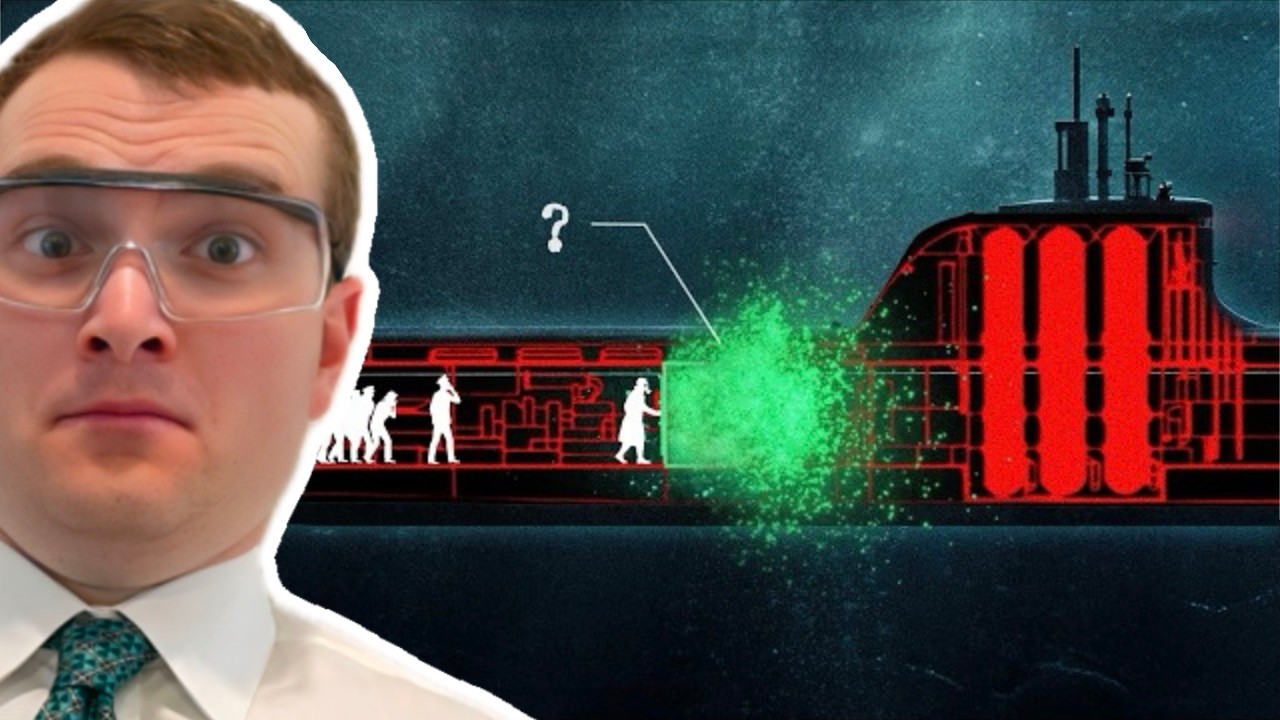
The Most Agonizing Nuclear Submarine Disaster - Nuclear Engineer Reacts to Scary Interesting
Keywords
Summary
164 words
Critical Evaluation
Value of the Information & Strength of the Argument
The video provides substantial value by offering expert technical analysis of a historical nuclear accident. The engineer’s explanations are clear and accurate, covering topics such as decay heat, reactor protection systems, and radiation exposure. He corrects misconceptions, such as the possibility of a nuclear explosion, and provides context on the escalation pathways. The argumentation is solid, based on engineering principles and practical experience. The engineer also discusses the importance of safety systems and the ethical responsibility of engineers. The value is enhanced by his ability to explain complex concepts in an accessible manner, making the video educational for a broad audience.
Scientific Rigor, Source Quality, Title Accuracy
The video demonstrates scientific rigor through the engineer’s expertise and his corrections to the original narrative. He references specific technical details and explains the physics accurately. However, the primary source is a storytelling channel, and the engineer does not cite additional sources. The title accurately reflects the content, and the video’s focus on technical analysis adds credibility. The engineer’s commentary is well-reasoned and based on established nuclear engineering principles, but the lack of primary sources limits the overall rigor. The video’s strength lies in its expert analysis rather than in the presentation of new evidence.
211 words
Title / Content Match
The title accurately reflects the content, which is a reaction to a video about the K-19 nuclear submarine disaster, with the engineer providing expert analysis.
Quality & Reliability
8/10
The video features a nuclear engineer providing expert analysis and corrections to a historical account. The engineer demonstrates deep technical knowledge, explains complex concepts clearly, and corrects misconceptions. However, the video is a reaction format, and the original source is a storytelling channel, so some details may be dramatized. The engineer's expertise adds credibility, but the lack of primary sources and the reliance on a secondary narrative limit the overall reliability.
Key Moments
Markers derived by PSI from the transcript: the creator did not define chapters.
- Introduction to the K-19 story and the engineer's initial reaction.
- Discussion of the rushed construction and design flaws.
- Explanation of the loss-of-coolant accident and the reactor's response.
- Analysis of the radiation levels and the crew's exposure.
- Discussion of the improvised cooling system and the crew's heroism.
- Correction of misconceptions about nuclear explosions and detection.
- Reflection on the engineering failures and the importance of safety systems.
- Conclusion and lessons learned from the K-19 disaster.
Cited Sources
- Original video by Scary Interesting — The video being reacted to, which tells the story of the K-19 disaster.
Concurring Sources
- K-19 submarine disaster — Provides historical background and details consistent with the video.
Contribution & Novelties
The video provides a unique contribution by having a nuclear engineer analyze and correct a popular historical narrative. It adds technical depth and debunks myths, offering a more accurate understanding of the K-19 accident. The engineer’s perspective on safety culture and engineering ethics is valuable for both professionals and the public.
Pour aller plus loin :
- Loss-of-coolant accident — Relevant to the core cooling failure discussed.
- Decay heat — Explains the heat generation after reactor shutdown.
- Acute radiation syndrome — Details the health effects of high radiation exposure.
88 words
Radar Profile
The radar profile shows high scores in technical level and information quality, reflecting the engineer's expertise and the depth of analysis. The quantity of information is also high, but the reliability is slightly lower due to the reliance on a secondary source. The overall profile indicates a technically robust video with minor limitations in source diversity.
💬 Positif. Sur les 30 commentaires analysés, la majorité exprime une appréciation pour la précision technique et la valeur éducative de la vidéo, avec des éloges pour l'expertise de l'ingénieur et la qualité de la réaction.