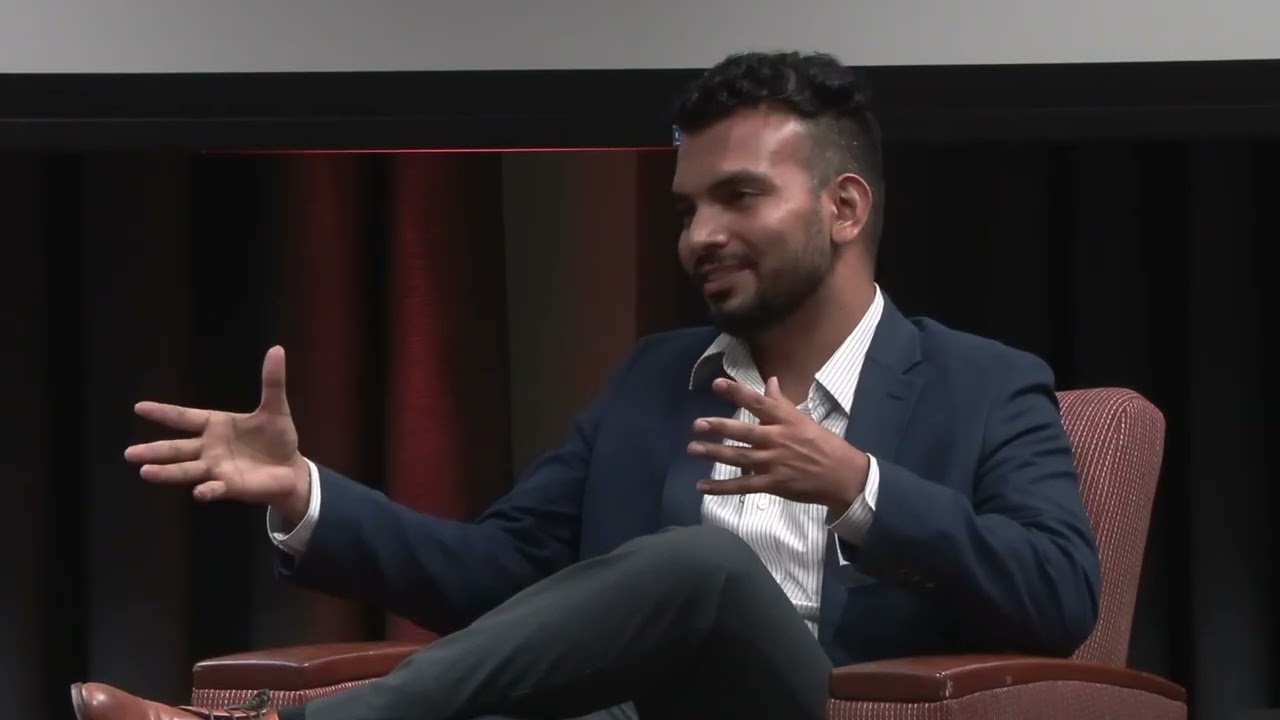
2025 Solar Day PV Industry Technology Advancement And Community Advancement Panel
Keywords
Summary
140 words
Critical Evaluation
Value of the Information & Strength of the Argument
The panel provides valuable insights into the practical challenges and opportunities in the solar industry. The speakers offer concrete examples from their experience, such as the cost decline of solar panels from $5-6 per watt to 20 cents per watt, and the need for storage to hedge against utility rate structures. The argumentation is solid, grounded in real-world projects and market trends. The discussion on the impact of removing subsidies is particularly insightful, with Omeed Badkoobeh arguing that solar remains competitive even without the ITC, citing levelized cost of energy calculations. The panel also addresses the importance of workforce development, with Vatan Kumar highlighting the gap between academic training and industry needs, and the efforts to bridge it through software training and internships. Overall, the value is high for those interested in the practical side of solar deployment.
Scientific Rigor, Source Quality, Title Accuracy
The panel is composed of industry experts with substantial experience, lending credibility to their statements. However, no formal sources or citations are provided, and the discussion is largely anecdotal. The title accurately reflects the content, though the ‘community advancement’ aspect is less thoroughly explored than technology and workforce topics. The panel does touch on community engagement, particularly through Derek Adams’ work with PEDL in the Permian Basin, but it is not a central theme. The lack of formal citations is typical for a panel discussion, but it limits the ability to verify specific claims. Overall, the rigor is moderate, with the strength coming from the speakers’ expertise rather than documented evidence.
264 words
Title / Content Match
The title accurately reflects the panel's focus on PV industry technology advancement and community advancement, though community aspects are less emphasized than technology and workforce topics.
Quality & Reliability
8/10
Panel of industry experts with substantial experience in solar and energy storage; discussion grounded in practical knowledge and current market trends. No formal citations, but speakers demonstrate deep domain expertise. The content is anecdotal and opinion-based, but credible and consistent with known industry developments.
Key Moments
Markers derived by PSI from the transcript: the creator did not define chapters.
- Introduction of the panel and moderator by Brian.
- Panelists introduce themselves and their backgrounds.
- Discussion on the current state of solar compared to five years ago, including challenges in new terrains and climates.
- Omeed discusses the importance of storage for solar, including cost trends and business models.
- Derek talks about integrating solar with other technologies like hydrogen and water treatment in the Permian Basin.
- Discussion on the impact of removing subsidies on solar growth.
- Barriers to commercializing solar technology and the need for passion and conviction.
- New avenues for scaling solar beyond utility-scale, including distributed systems and industrial integration.
- Workforce development and educational gaps in the solar industry.
- Advice for students and closing remarks.
Contribution & Novelties
The panel offers a unique multi-perspective view on the solar industry, combining insights from storage, utility-scale development, and innovation labs. It highlights the growing importance of storage as a complement to solar, the challenges of deploying in non-traditional terrains, and the need for workforce development. The discussion on the potential for solar to thrive without subsidies provides a fresh perspective on the industry’s resilience.
Pour aller plus loin :
- Solar energy - Wikipedia — Overview of solar energy technologies and applications.
- Energy storage - Wikipedia — Background on storage technologies and their role in renewable integration.
- Levelized cost of electricity - Wikipedia — Explanation of LCOE, a key metric discussed in the panel.
113 words
Radar Profile
The radar profile shows high scores in information quantity, quality, and reliability, with a moderate technical level. This indicates a well-rounded discussion that is both informative and credible, though not highly technical. The panel is strong in practical insights and expert opinions, making it valuable for a broad audience interested in solar energy.