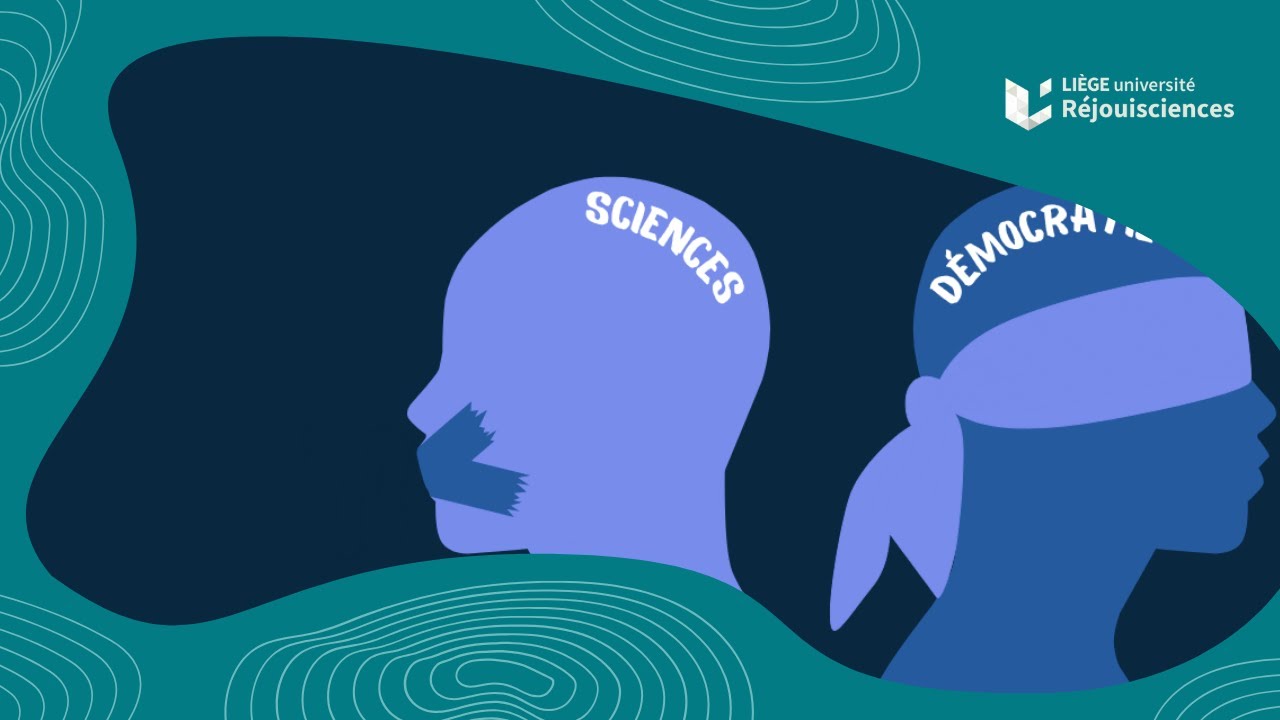
Science et Démocratie : un couple en crise
Keywords
Summary
182 words
Critical Evaluation
Value of the Information & Strength of the Argument
The video provides valuable insights into the complex relationship between science and democracy. The speakers offer a nuanced historical perspective, arguing that the link is not intrinsic but has been constructed through democratic institutions. They highlight the importance of academic freedom and the dangers of political and economic interference. The argumentation is solid, with each speaker bringing their disciplinary expertise: philosophy, political science, and climatology. The discussion is well-structured, moving from historical context to contemporary challenges and potential solutions. The speakers avoid oversimplification and acknowledge the multifaceted nature of the crisis. They also reference scientific literature, such as a Nature article on conspiracy beliefs and strategies of inoculation, which strengthens the credibility of their arguments. The debate is balanced, with no apparent bias, and encourages critical thinking.
Scientific Rigor, Source Quality, Title Accuracy
The scientific rigor is high, as the speakers are academics from a reputable university. They cite relevant literature, including a Nature article and a book titled ‘Science under siege’, which adds credibility. The quality of sources is good, though specific citations are not always detailed. The title accurately reflects the content, which is a debate on the crisis in the science-democracy relationship. The video does not contain any advertising or sponsored content. The discussion is well-moderated and stays on topic. However, the video has very few views and no comments, which limits external validation. Overall, the content is reliable and well-argued.
243 words
Title / Content Match
The title accurately reflects the content: a debate on the relationship between science and democracy, addressing crises, trust, and political interference.
Quality & Reliability
8/10
The video is a recorded conference-debate featuring academics from the University of Liège (philosopher, political scientist, climatologist) and institutional representatives. The content is well-structured, with clear arguments and references to scientific literature (e.g., Nature article, inoculation strategies). The discussion is balanced and critical, with no apparent misinformation. However, the video has very few views and no comments, limiting external validation.
Key Moments
Markers derived by PSI from the transcript: the creator did not define chapters.
- Introduction by Thomas Beyer and welcome remarks from the Centre d'Action Laïque.
- Vice-rector Michel Moutschen discusses the 25th anniversary of Réjouisciences and the importance of science-society links.
- Moutschen mentions the book 'Science under siege' and the five forces threatening science.
- Florence Caeymaex begins her historical analysis of the science-democracy relationship.
- Caeymaex discusses the post-WWII social contract and the role of public funding in protecting research.
- Pierre Delvenne introduces the idea that tensions between science and democracy are healthy and discusses threats to academic freedom.
- Delvenne elaborates on the political and economic pressures on research and the importance of public funding.
- Sébastien Doutreloup discusses climate science and the challenges of communicating scientific consensus.
- Panel discussion on conspiracy theories and strategies to counter misinformation.
- Discussion on the role of science communication and education in rebuilding trust.
Cited Sources
- Science under siege — Mentioned by Michel Moutschen as a recent book describing five forces threatening science.
- People do change their belief about conspiracy but not very often — Referenced by Moutschen as a recent article showing that only 8% of people change their conspiracy beliefs over 10 years.
Concurring Sources
- Nature article on conspiracy beliefs — Referenced by Michel Moutschen, supporting the claim that changing conspiracy beliefs is rare.
Contribution & Novelties
The video offers a multidisciplinary perspective on the crisis in the science-democracy relationship, combining philosophy, political science, and climatology. It provides a historical contextualization that is often missing in public debates, emphasizing that the link is not intrinsic but constructed. The discussion also highlights the importance of academic freedom and the dangers of both political and economic interference. The speakers propose concrete strategies, such as inoculation against misinformation, which are based on scientific research.
Pour aller plus loin :
- Academic freedom — Provides a foundational understanding of the concept central to the debate.
- Science communication — Relevant to the discussion on rebuilding trust between science and society.
- Inoculation theory — Directly linked to the strategies mentioned by the speakers to counter misinformation.
122 words
Radar Profile
The radar profile shows high scores in information quantity, quality, and reliability, with a slightly lower technical level, reflecting the accessible nature of the debate. The overall high scores indicate a well-rounded and credible presentation.