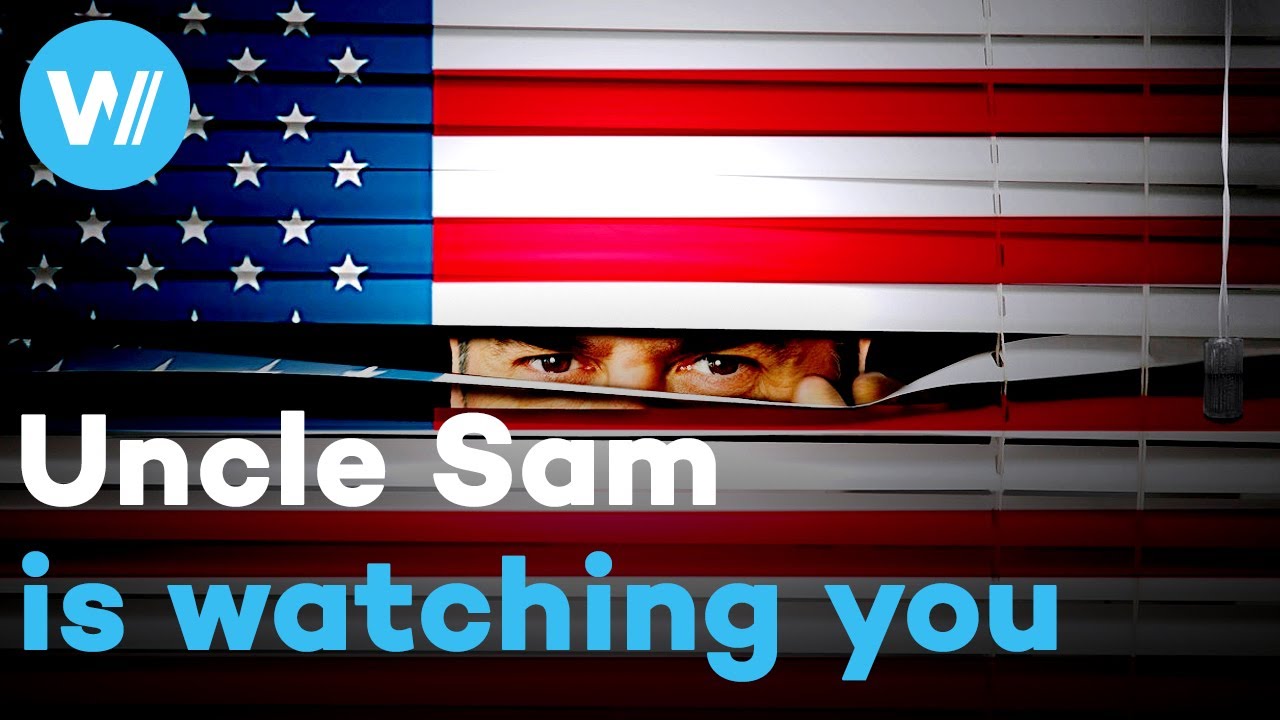
Who’s Watching You? Rise of the U.S. Police State | America's Surveillance State (1/6)
Keywords
Summary
143 words
Critical Evaluation
The documentary provides a compelling overview of the surveillance state in the U.S., effectively combining interviews, archival footage, and narration to build a narrative that is both informative and alarming. The strength of the film lies in its diverse range of voices, from whistleblowers like Edward Snowden’s lawyer to critics like Alfredo Lopez, and even a former NSA deputy director, offering a balanced perspective. However, the documentary lacks rigorous scientific analysis; it relies heavily on anecdotal evidence and emotional appeals rather than systematic data. The claims about the scale of surveillance are not backed by verifiable statistics or academic studies, which weakens its credibility as a scientific source. The argumentation is persuasive but sometimes one-sided, as it does not deeply explore the legitimate national security justifications for surveillance. The sources cited are primarily interviews and personal testimonies, which are valuable but not always reliable. The documentary does not provide a comprehensive review of the legal and ethical frameworks governing surveillance, nor does it offer a detailed analysis of the technological mechanisms involved. The title and content are well-aligned, and the film succeeds in raising important questions about privacy and government power. However, for a more rigorous examination, viewers should consult academic literature and official reports. Overall, the documentary is a thought-provoking piece that serves as a good introduction to the topic but lacks the depth and rigor of a scientific investigation.
231 words
Title / Content Match
The title accurately reflects the content, focusing on the rise of surveillance in the U.S. and the potential for a police state.
Quality & Reliability
7/10
The documentary presents a balanced view with interviews from various experts, whistleblowers, and critics, but lacks in-depth verification of claims and relies on anecdotal evidence. It is a journalistic piece rather than a peer-reviewed scientific study.
Key Moments
Markers derived by PSI from the transcript: the creator did not define chapters.
- Introduction to the surveillance state in the U.S., with cameras and data collection.
- Discussion on the erosion of privacy and the role of corporations.
- Focus on the National Security Agency (NSA) and its secretive operations.
- Interviews with whistleblowers and hackers, including Edward Snowden's lawyer.
- Examination of insider threats and the impact of Snowden's leaks.
- Media summit discussing press freedom and the role of journalists.
- Credits and conclusion.
Cited Sources
- wocomoCOOK — Channel link from description
- wocomoHISTORY — Channel link from description
- wocomoHUMANITY — Channel link from description
- wocomoTRAVEL — Channel link from description
- wocomoWILDLIFE — Channel link from description
Concurring Sources
- Edward Snowden's revelations — Supports the documentary's claims about NSA surveillance.
- NSA surveillance programs — Provides technical details on NSA surveillance methods.
Dissenting Sources
- NSA official statements — The documentary includes interviews with NSA officials who defend the agency's actions, but these are not cited as sources.
Contribution & Novelties
This documentary offers a compelling narrative that synthesizes various perspectives on U.S. surveillance, making it accessible to a broad audience. It highlights the tension between national security and civil liberties, and underscores the role of whistleblowers in exposing government overreach. The series aims to provide a comprehensive overview, but this first episode focuses on the scope of surveillance and the potential for a police state.
Pour aller plus loin :
- Edward Snowden’s revelations — Provides background on the whistleblower and the impact of his leaks.
- NSA surveillance programs — Details on the NSA’s tools and methods.
- Surveillance state concept — Overview of the concept and its implications.
107 words
Radar Profile
The radar profile shows high scores in quantity of information and moderate scores in quality and reliability, indicating a documentary that is informative but not deeply rigorous. The technical level is moderate, suitable for a general audience.
💬 Sur les 0 commentaires analysés, aucune tendance n'est disponible.