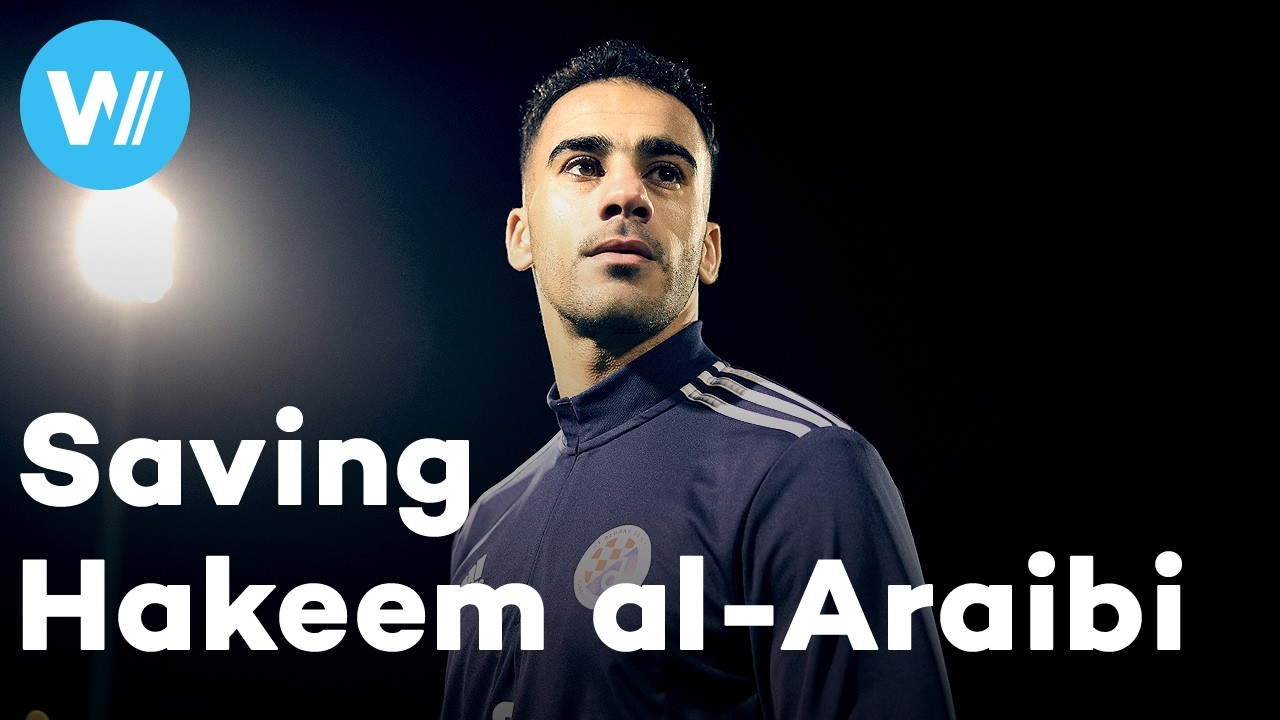
FIFA's Dark Side: The shocking true story behind Hakeem al-Araibi's arrest | The Defenders
Keywords
Summary
169 words
Critical Evaluation
The documentary provides a compelling and emotionally charged account of Hakeem al-Araibi’s ordeal, effectively using interviews, archival footage, and a chronological narrative to build a case against the Bahraini government and FIFA. The strength of the film lies in its humanizing portrayal of al-Araibi and the tireless efforts of his supporters, particularly Craig Foster, whose advocacy is presented as a moral crusade. The inclusion of al-Araibi’s own voice, through phone recordings and interviews, adds authenticity and urgency. However, the documentary is clearly one-sided, presenting the allegations against Sheikh Salman and FIFA as established facts without offering any counter-perspective. While the evidence presented is compelling, the lack of interviews with Bahraini officials or FIFA representatives weakens the overall balance. The film also glosses over the complexities of international law and diplomacy, simplifying the situation into a clear-cut battle between good and evil. Despite these limitations, the documentary serves as an important exposé of human rights abuses in sport and the power dynamics that allow such injustices to occur. It is a well-produced piece of investigative journalism that raises significant ethical questions, even if it does not provide a fully impartial analysis.
190 words
Title / Content Match
The title accurately reflects the content, focusing on FIFA's alleged complicity in human rights abuses through the case of Hakeem al-Araibi.
Quality & Reliability
8/10
The documentary is based on extensive interviews with key figures, including Hakeem al-Araibi himself, his wife, campaigners, and journalists. It presents a well-documented case with verifiable events and references to official documents (Interpol red notice). However, it is a partisan account, clearly advocating for Hakeem's release, and does not include perspectives from Bahraini authorities or FIFA officials. The production is by a reputable documentary channel (wocomoDOCS) and licensed by Autlook, but the narrative is one-sided.
Key Moments
Markers derived by PSI from the transcript: the creator did not define chapters.
- Introduction: The documentary opens with the dramatic arrest of Hakeem al-Araibi in Thailand.
- The arrest of Hakeem al-Araibi: Details of his detention at Bangkok airport and initial confusion.
- Arab Spring and Bahrain's 2011 uprising: Background on the protests and al-Araibi's involvement.
- Interpol Red Notice: Explanation of the red notice and its misuse against refugees.
- FIFA election 2016: Sheikh Salman's candidacy and allegations of human rights abuses.
- #SaveHakeem campaign: The global social media campaign begins.
- In prison: Al-Araibi's conditions and his messages from detention.
- Sport as cover: Discussion of World Cups and sportswashing.
- Pressure on Thailand: International pressure mounts on the Thai government.
- Escape plan: Potential plans to free al-Araibi.
- Craig Foster: Profile of the campaign leader and his motivations.
- Protests and #BoycottThailand: Football clubs and fans join the campaign.
- Freedom at last: Al-Araibi's release and return to Australia.
- Credits and closing remarks.
Cited Sources
- wocomoDOCS YouTube Channel — The documentary is published on this channel, which is a source of the video itself.
- wocomoHUMANITY YouTube Channel — Mentioned in the description as a related channel for documentaries on humanity.
- wocomoHISTORY YouTube Channel — Mentioned in the description as a related channel for historical documentaries.
- wocomoTRAVEL YouTube Channel — Mentioned in the description as a related channel for travel documentaries.
- wocomoWILDLIFE YouTube Channel — Mentioned in the description as a related channel for wildlife documentaries.
- wocomoCOOK YouTube Channel — Mentioned in the description as a related channel for cooking documentaries.
Concurring Sources
- Amnesty International on Hakeem al-Araibi — Amnesty International campaigned for al-Araibi's release and documented his case.
- The Guardian article on al-Araibi's release — News coverage of al-Araibi's release, corroborating the documentary's account.
Dissenting Sources
- Bahrain News Agency statement
Contribution & Novelties
The documentary provides a detailed and personal account of a high-profile human rights case, shedding light on the intersection of sport, politics, and international law. It offers new insights into the use of Interpol red notices against refugees and the role of FIFA in protecting authoritarian regimes. The film also highlights the power of grassroots activism and social media in influencing diplomatic outcomes.
Pour aller plus loin :
- Interpol’s Red Notice system — Official information on red notices and their intended use.
- UNHCR on non-refoulement — The principle of non-refoulement is central to refugee protection.
- Human Rights Watch on Bahrain — Reports on human rights abuses in Bahrain, relevant to the context.
112 words
Radar Profile
The radar profile shows high scores in quantity of information and reliability, reflecting the documentary's thorough research and credible sources. The lower score in technical level indicates that the content is accessible to a general audience, focusing on narrative rather than technical analysis.
💬 No comments were provided for analysis.