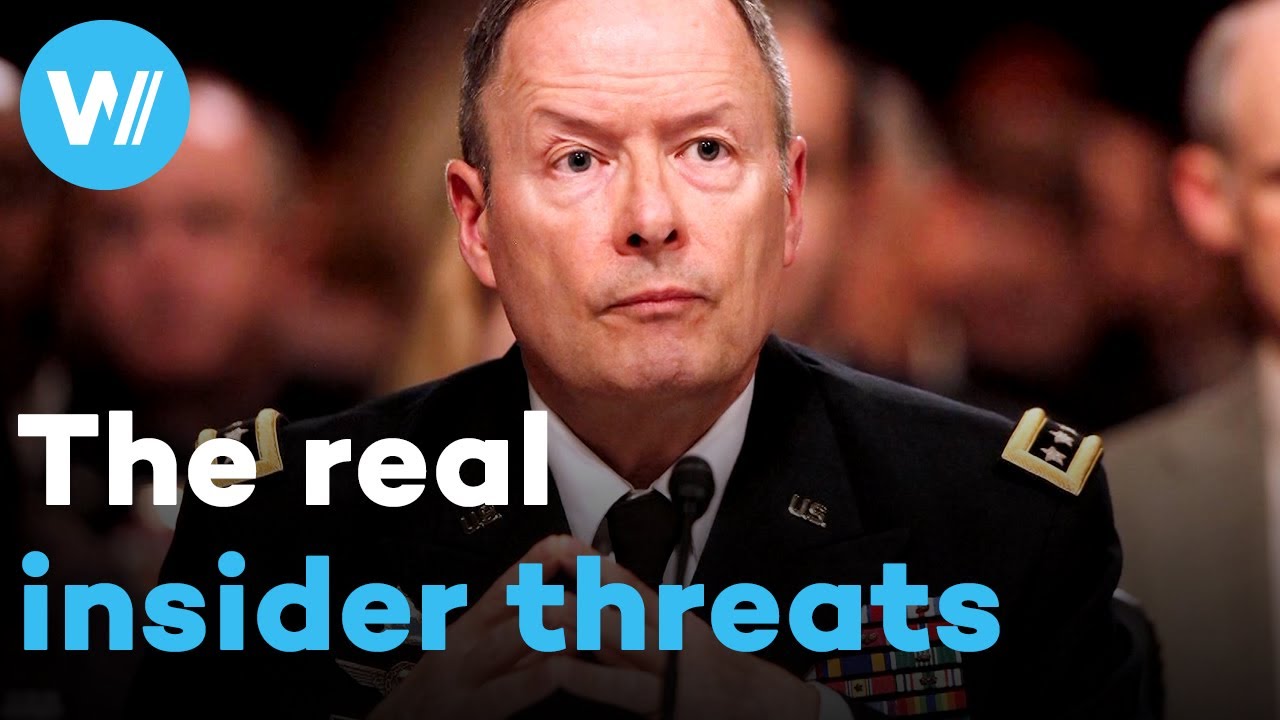
It’s Not Illegal When the President Does It | America’s Surveillance State (5/6)
Keywords
Summary
124 words
Critical Evaluation
The documentary provides valuable firsthand accounts from whistleblowers, offering a unique insider perspective on NSA practices. The interviews with Thomas Drake and Russ Tice are compelling and add credibility to the narrative. However, the documentary lacks a balanced presentation, as it does not include perspectives from NSA officials or government representatives. The argumentation is largely one-sided, focusing on the negative aspects of surveillance and whistleblower treatment. The scientific rigor is moderate; while it presents factual events, it does not provide comprehensive evidence or independent verification. The sources cited are limited to the channel’s own links, which are not directly related to the content. The title accurately reflects the content, but the documentary could benefit from a more nuanced discussion of national security concerns. Overall, it is a thought-provoking piece that raises important questions about accountability and civil liberties, but it would be stronger with more balanced sourcing and analysis.
149 words
Title / Content Match
The title accurately reflects the content, focusing on the idea that presidential authorization can make actions legal, as illustrated by the Nixon quote and NSA surveillance.
Quality & Reliability
7/10
The documentary features interviews with former NSA officials and whistleblowers, providing firsthand accounts. However, it lacks independent verification of claims and may have a biased perspective. The sources cited are limited to the channel's own links, not specific references.
Key Moments
Markers derived by PSI from the transcript: the creator did not define chapters.
- Introduction to insider threats and the NSA's focus on employee monitoring.
- Discussion of insider threats and the NSA's estimate of 4,000 untrustworthy employees.
- Thomas Drake describes being tagged as a problem for raising concerns about NSA conduct.
- Drake explains why internal channels failed and why going public was necessary.
- The government's crackdown on whistleblowers, including Drake's arrest and charges.
- The National Security Archive and the importance of documentation.
- Reflections on the past and future of whistleblowers, including Snowden's impact.
Cited Sources
- wocomoDOCS — Channel that published the documentary.
- wocomoCOOK — Sister channel mentioned in description.
- wocomoHISTORY — Sister channel mentioned in description.
- wocomoHUMANITY — Sister channel mentioned in description.
- wocomoTRAVEL — Sister channel mentioned in description.
- wocomoWILDLIFE — Sister channel mentioned in description.
Concurring Sources
- The Intercept — Journalism outlet co-founded by Glenn Greenwald, which published Snowden's documents.
Dissenting Sources
- NSA official response — The NSA has denied some allegations made in the documentary, but no specific source is provided.
Contribution & Novelties
This documentary provides a unique insider perspective on the NSA’s insider threat program and the experiences of whistleblowers. It highlights the challenges of internal reporting and the consequences faced by those who speak out. The inclusion of interviews with Thomas Drake and Russ Tice adds depth and authenticity.
Pour aller plus loin :
- Edward Snowden’s revelations — Overview of Snowden’s disclosures and their impact.
- Whistleblower Protection Act — Legal framework for whistleblower protections in the US.
- National Security Agency — Background on the NSA’s mission and history.
87 words
Radar Profile
The radar chart shows high scores in quantity of information and moderate scores in quality and reliability, indicating a content-rich but somewhat biased presentation. The low technical level suggests it is accessible to a general audience.