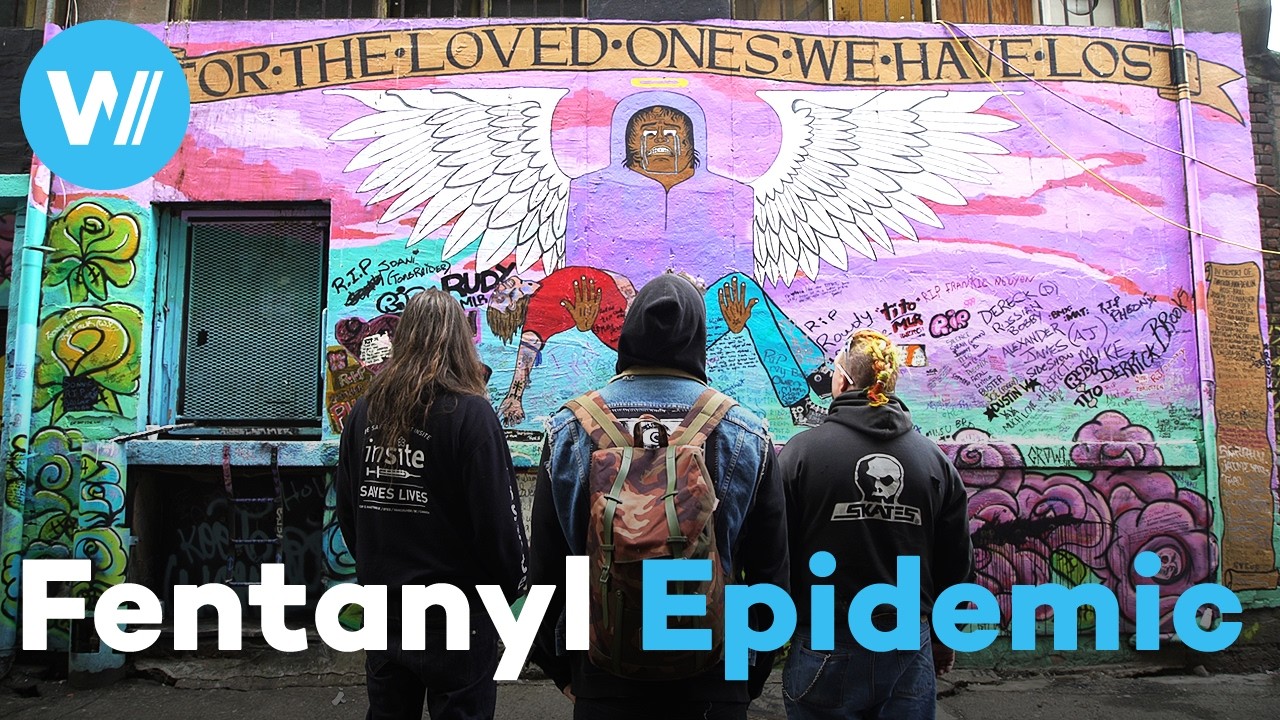
Love in the Time of Fentanyl | Full Documentary about Vancouver's Fentanyl Crisis
Keywords
Summary
199 words
Critical Evaluation
The documentary provides a compelling and humanizing portrayal of the overdose crisis, centering the voices of those most affected. Its strength lies in its immersive, observational approach, which captures the raw reality of frontline harm reduction work. The film effectively demonstrates the value of peer-led initiatives, showing how the Overdose Prevention Society (OPS) saves lives through immediate intervention and compassionate care. The inclusion of personal narratives, such as Ron’s overdose and Ronnie’s burnout, adds emotional depth and illustrates the complex challenges faced by both users and workers. However, from a scientific standpoint, the documentary is limited in its scope and methodology. It is a qualitative, anecdotal account rather than a systematic study, and it does not provide quantitative data on the effectiveness of supervised consumption sites or the broader impact of the crisis. While it mentions the role of fentanyl contamination and the challenges of withdrawal, it does not delve deeply into the pharmacological or epidemiological aspects. The film also lacks critical examination of potential criticisms of harm reduction approaches, such as concerns about enabling drug use or the sustainability of such programs. The sources cited are primarily the OPS staff and a public health official, but no external research or data is referenced. The documentary’s advocacy is clear, which may be seen as a bias, but it is transparent about its perspective. Overall, it is a valuable piece for raising awareness and fostering empathy, but it should be complemented with more rigorous scientific literature for a comprehensive understanding.
249 words
Title / Content Match
The title aptly captures the documentary's focus on the human and compassionate response to the fentanyl crisis, though it may romanticize the subject slightly.
Quality & Reliability
7/10
The documentary provides a firsthand, immersive account of the overdose crisis in Vancouver's Downtown Eastside, featuring interviews with frontline workers, people with lived experience, and a public health official. It is a qualitative, observational piece rather than a systematic study, and while it offers valuable insights, it lacks rigorous data analysis and external verification of claims.
Key Moments
Markers derived by PSI from the transcript: the creator did not define chapters.
- Introduction: Overdose response on the street, setting the scene for the crisis.
- The Overdose Prevention Society - Group meeting and volunteer training.
- Why people turn to drugs, dependency, and quitting.
- The memorial wall for those who have lost their lives from overdose.
- The staff and their daily tasks at the centre.
- Ron overdoses in the street and is taken to hospital.
- The staff visit Dana, who is getting treatment.
- Asking the mayor for a legal, safer drug supply and a 24 hour location for the OPS.
- Ronnie shares his experience working with OPS and burnout.
- Trey Helten takes Ron his chair at the hospital and talks about his own experience with addiction.
Cited Sources
- wocomoCOOK — Channel link from description, not directly cited in video.
- wocomoHISTORY — Channel link from description, not directly cited in video.
- wocomoHUMANITY — Channel link from description, not directly cited in video.
- wocomoTRAVEL — Channel link from description, not directly cited in video.
- wocomoWILDLIFE — Channel link from description, not directly cited in video.
Concurring Sources
- Supervised injection site - Wikipedia — Supports the effectiveness of supervised consumption sites in reducing overdose deaths.
- Harm reduction - Wikipedia — Aligns with the documentary's approach to drug policy.
Dissenting Sources
- Criticism of supervised injection sites — Some argue that supervised consumption sites may enable drug use or concentrate crime, a perspective not addressed in the documentary.
Contribution & Novelties
The documentary offers a unique, insider perspective on harm reduction, highlighting the effectiveness of peer-led initiatives and the human stories behind the statistics. It contributes to the discourse by humanizing drug users and challenging stigma, while also documenting the advocacy for policy changes like safer supply.
Pour aller plus loin :
- Supervised injection site - Wikipedia — Provides background on supervised consumption sites and their evidence base.
- Fentanyl - Wikipedia — Details on the pharmacology and history of fentanyl.
- Harm reduction - Wikipedia — Overview of harm reduction principles and practices.
- Naloxone - Wikipedia — Information on the opioid antagonist used in overdose reversal.
104 words
Radar Profile
The radar profile shows a balanced documentary with moderate scores across all dimensions, indicating a solid but not exceptional piece. The highest score is in quantity of information, reflecting the rich observational content, while the lowest is in technical level, as it avoids deep scientific analysis.